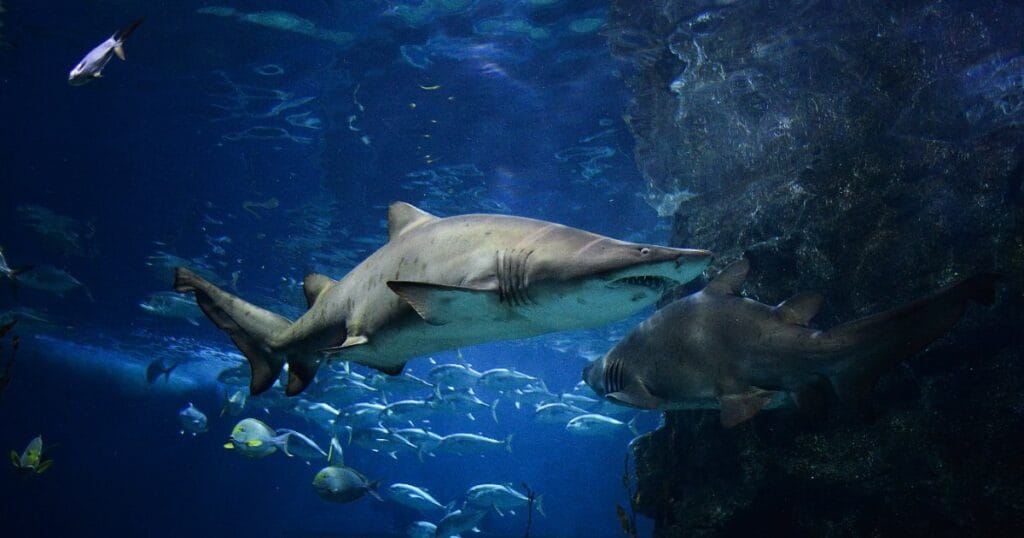
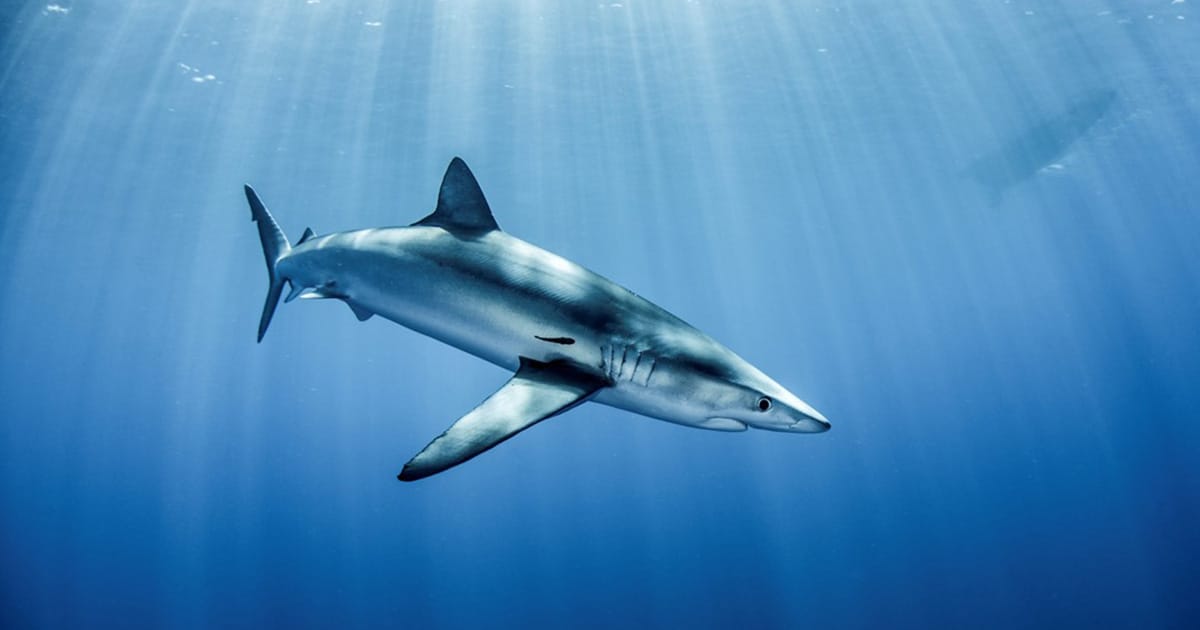
The global UN-endorsed research project, MegaMove, involves almost 400 scientists from over 50 countries, showing where protection could be implemented specifically for the conservation of marine megafauna.
Current marine protection areas include only 8 percent of the world’s total oceans, which the UN High Seas Treaty seeks to expand to 30 percent.
The research found that the targets of the current Treaty—signed by 115 countries but still to be ratified—is a step in the right direction and will be key to assisting conservation but insufficient to cover all critical areas used by threatened marine megafauna, suggesting that additional threat mitigation measures are also needed.
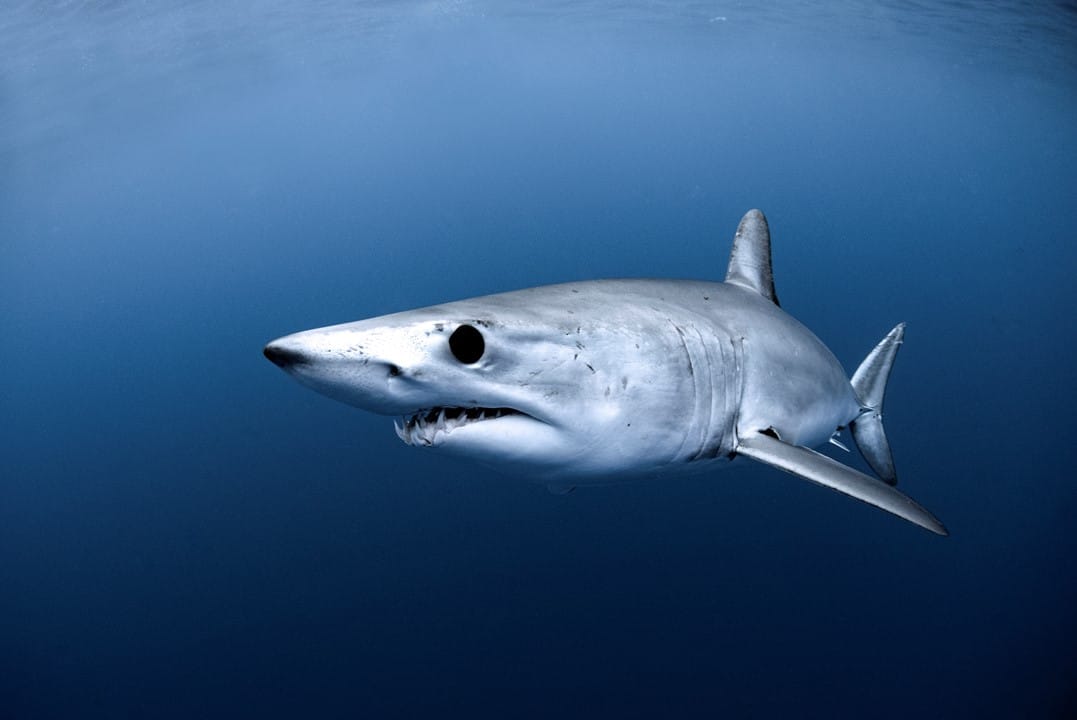
Marine Science with Global Impact
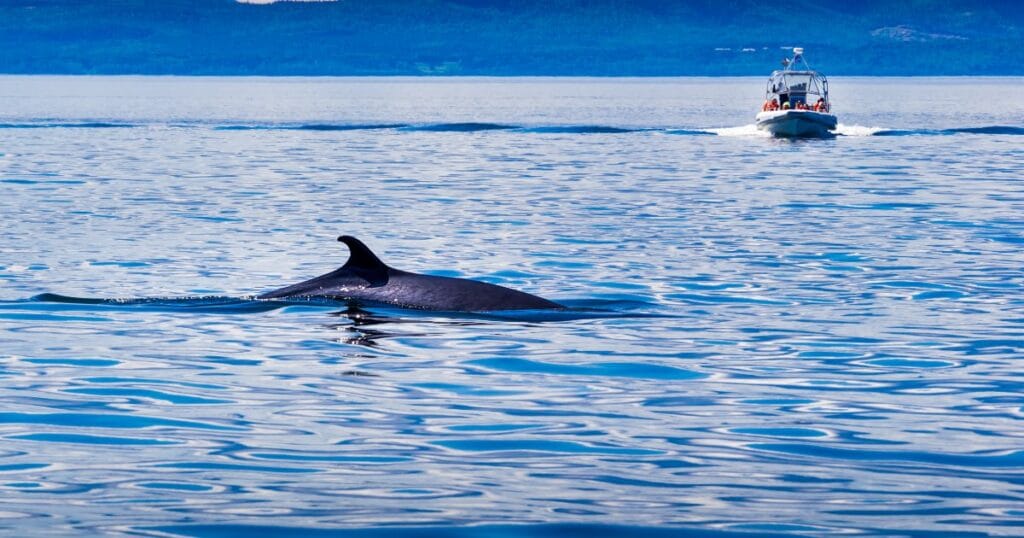
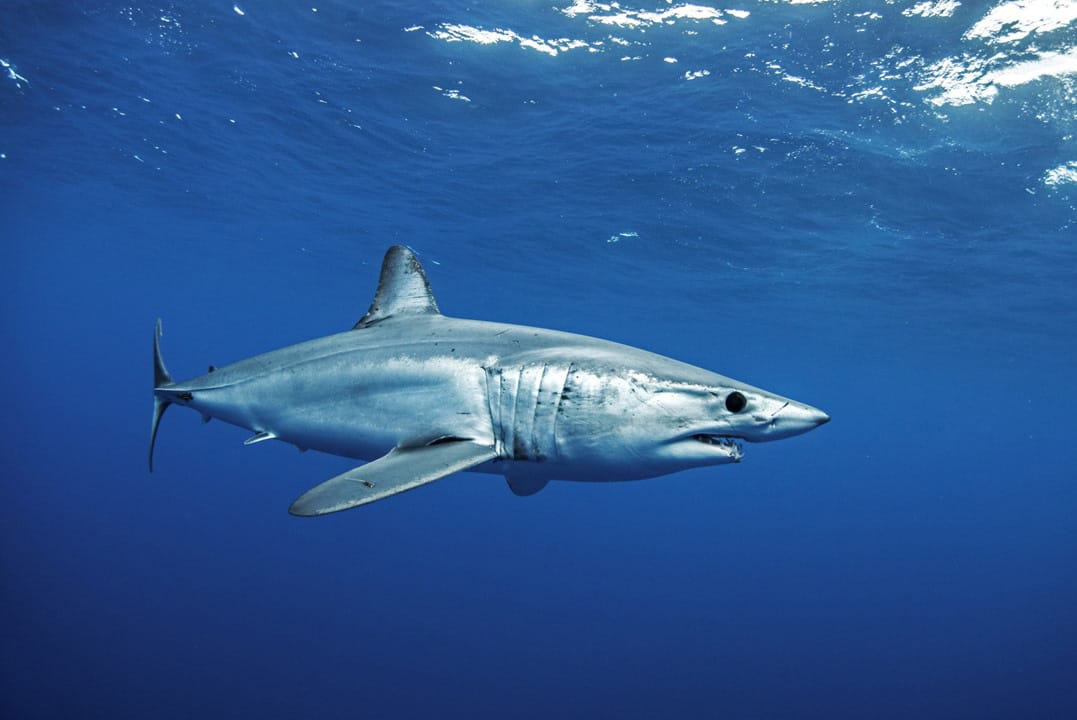
Some of the ocean’s best-known creatures—known as marine megafauna—include sharks, whales, turtles, and seals. They are typically top predators with critical roles in marine food webs but face growing threats from humans’ environmental impact.
Marine ecologist and a senior author of the study, Professor David Sims, of the Marine Biological Association and University of Southampton, UK, said the study’s goal was to track the day-to-day movements of diverse megafauna globally over many years to identify important habitats used for behaviors like foraging, resting, and migration.
“We were concerned to find that these key areas overlap substantially with human-driven threats like industrialized fishing and busy shipping. Which can lead to lethal collisions with many already threatened megafauna species,” he said.
“Although the 30 percent protection goal is seen as a helpful target, our analysis indicates it will be insufficient to protect all important areas, meaning that additional mitigation strategies are needed to reduce pressures on marine megafauna beyond areas that will be protected.”
The research also links to UN Sustainable Development Goals Goal 14 on water, and specifically, to Goal A of the Kunming-Montreal Global Biodiversity Framework to halt human-induced extinction of threatened species.
The study’s lead author was the Research Director and Founder of MegaMove, Associate Professor Ana Sequeira of the Australian National University.
“MegaMove brings together an international network of researchers to provide innovative research to advance the global conservation of marine megafauna,” she said.
“Our research shows that, in addition to protected areas, implementing mitigation strategies like changing fishing gear, using different lights in nets, and traffic schemes for ships will be key to alleviating current human pressure on these species.”
“But the bottom line is, even if the whole 30 percent protection were selected in key areas used by marine megafauna, it would still not be enough to conserve them,” Associate Professor Sequeira added.