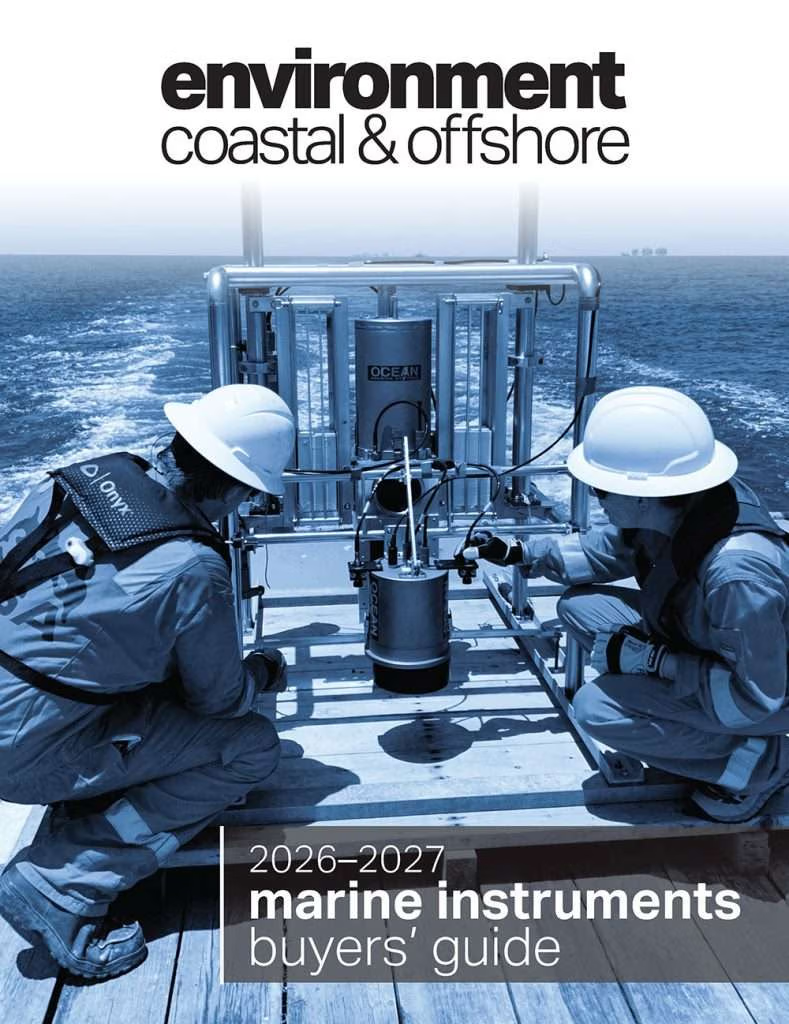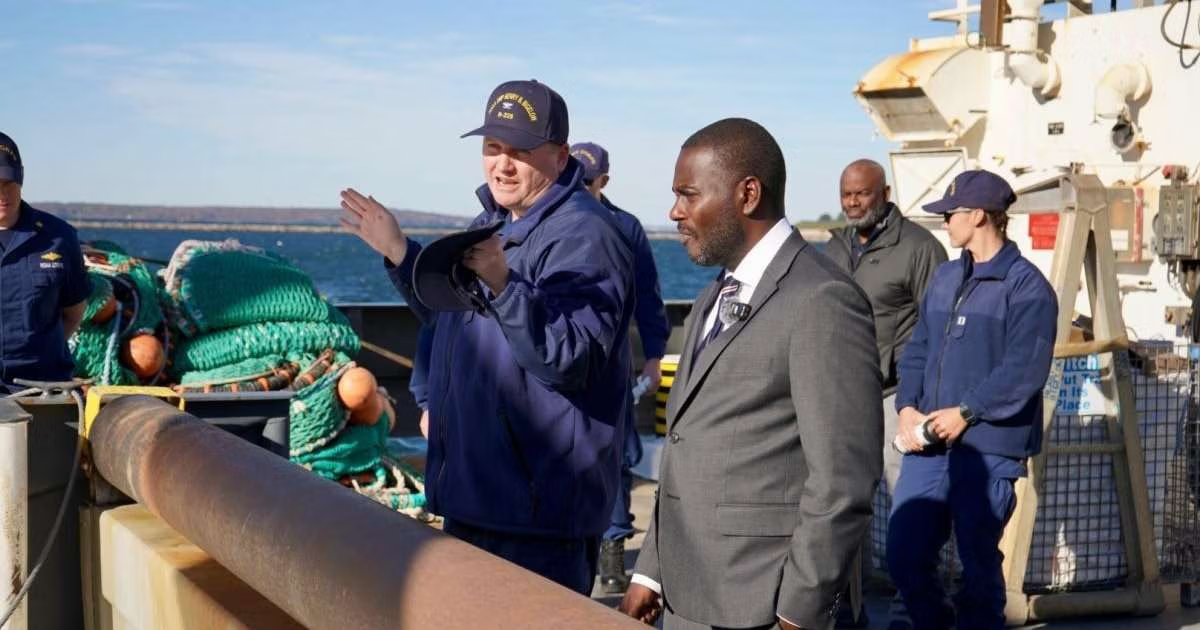
At Naval Station Newport, Amo visited the new facility that will manage NOAA’s Atlantic research vessel fleet and serve as homeport for NOAA ships Henry B. Bigelow, Okeanos Explorer, Thomas Jefferson, and the upcoming Discoverer. The center’s arrival in Rhode Island follows years of work by Senator Jack Reed (D-RI) to secure the relocation and federal funding needed to make it happen. Once operational, the facility will house and maintain NOAA research vessels that collect critical ocean data and support the fishermen, maritime businesses, and coastal communities that depend on NOAA’s research.
Amo also introduced the QUAHOGS Act in the US House of Representatives to protect Rhode Island’s shellfish stock. The bill, which was introduced in the Senate by Senator Sheldon Whitehouse (D-RI), establishes a research task force of federal agency representatives, fishery management councils, state representatives, scientists, and watermen to understand how to stop the decrease of shellfish populations along the United States East Coast.
“Rhode Island truly is the Ocean State,” said Congressman Gabe Amo (D-RI-01). “Throughout this year’s Blue Economy tour, I’ve met Rhode Islanders who work on our waters, study our oceans, and build what comes next. From NOAA’s research vessels to the fishermen who depend on healthy shellfish populations, we must invest in the science and solutions that keep this industry strong. I’m proud to introduce the bipartisan QUAHOGS Act to help address declining shellfish populations, protect our ocean, and support the good-paying jobs and coastal communities that make Rhode Island’s Blue Economy thrive.”
“Shellfishing has long been part of Long Island’s economy, including the famous Blue Point oyster that originated right here in my district,” said Congressman Andrew Garbarino (R-NY-02). “Declining shellfish populations threaten the fishermen and small businesses that depend on these waters. I’m proud to work with Congressman Amo on this bipartisan legislation to better understand what’s driving these declines and help protect this industry for future generations.”