“This gift reflects the foundation’s deep commitment to protecting our coastal ecosystems,” said Ken Farber, Executive Director of the Betty Wold Johnson Foundation. “Under Ambassador Johnson’s direction, we are proud to support Harbor Branch’s work to restore mangroves and seagrass, helping preserve Florida’s natural environment and the marine life that depends on it for generations to come.”
Established in 2015, the Harbor Branch Seagrass Nursery cultivates native seagrasses in land-based tanks to populate depleted areas of the Indian River Lagoon. Urban development has eroded the coastal environment, resulting in the loss of seagrass, mangroves, and other coastal plants. These native species contribute to a healthy habitat, filtering water running off into the ocean and providing nursery grounds and homes for fish species and other marine life—such as stone crabs and oysters—which contribute to commercial fisheries. Mangroves provide a barrier against storm impacts and coastal erosion.
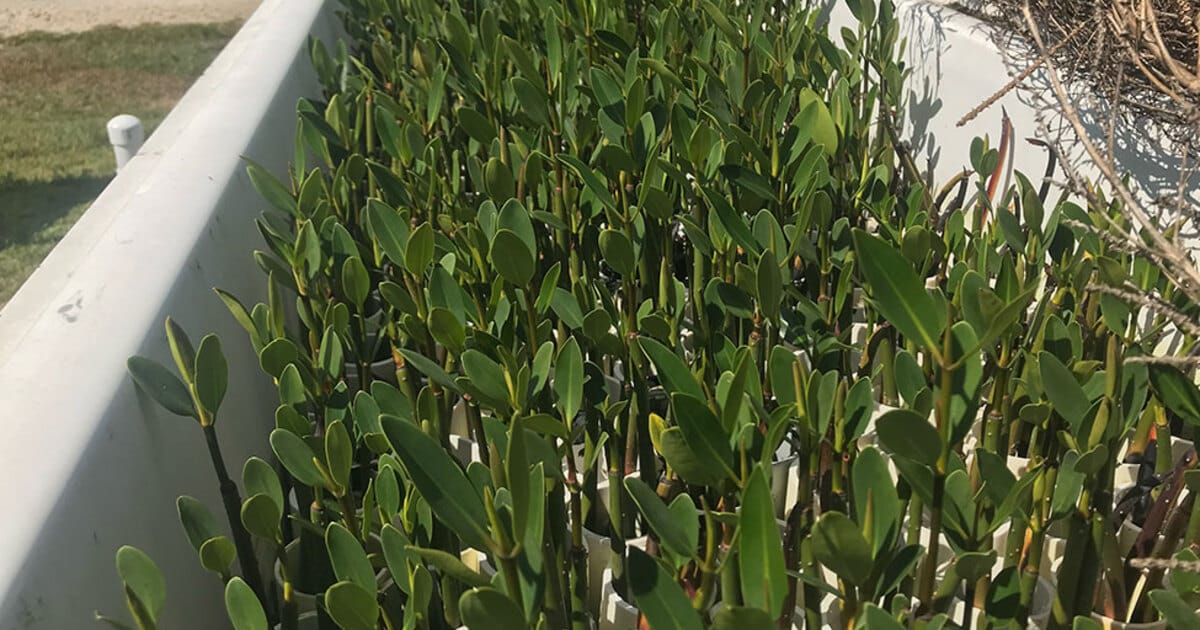
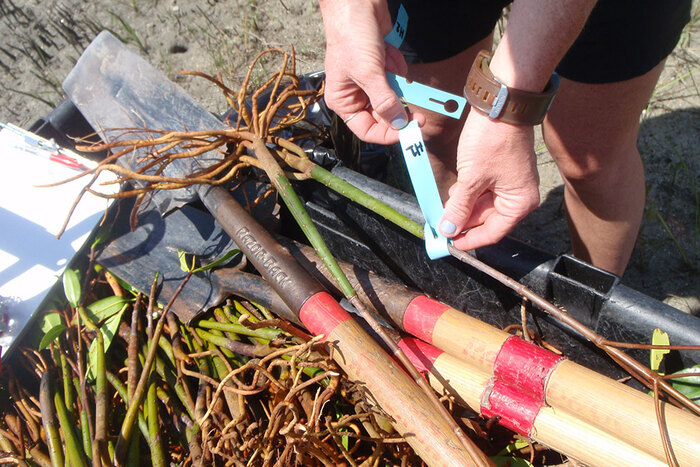
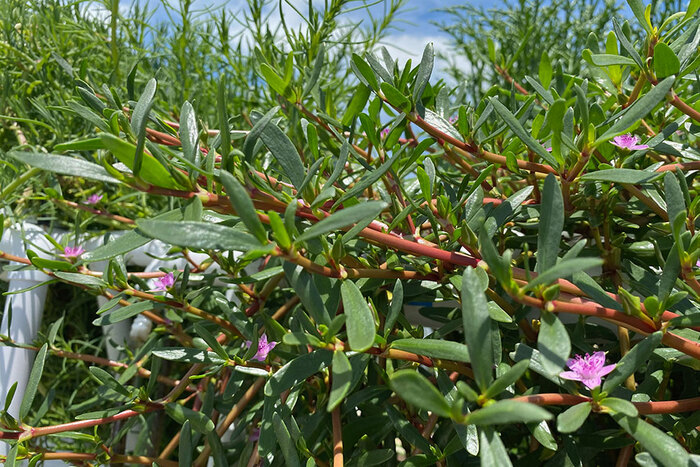
Establishing the mangrove project will span a year-long period. The first phase will add tanks and infrastructure to house mangrove plants, as well as salt marsh grass and halophytes, salt-loving plants that live in nearshore areas. Scientists will then develop propagation strategies to grow healthy plants, reintroduce the plants at identified pilot sites, and track their growth.
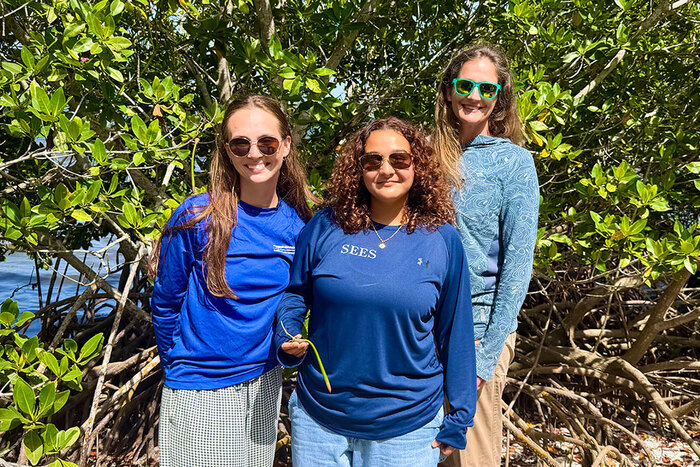
“Gifts like this ensure our continued success in restoring critical habitats in the Indian River Lagoon, one of the most biologically diverse estuaries in the United States,” said Rachel Brewton, Ph.D., assistant research professor at FAU Harbor Branch and lead on the project. “The program is grateful for this support, which will increase the plant stock needed to maintain these conservation efforts.”
Harbor Branch will collaborate with community and state partners to identify priority restoration sites and share results. These partners include Florida Sea Grant; the Indian River Lagoon National Estuary Program; Florida Oceanographic Institute; Brevard Zoo; and other local counties and nonprofit restoration groups.