
Seaweeds are a vital part of the ocean ecosystem and support more than six million farmers in 56 countries worldwide, but the industry is facing increasing pressure from climate change.
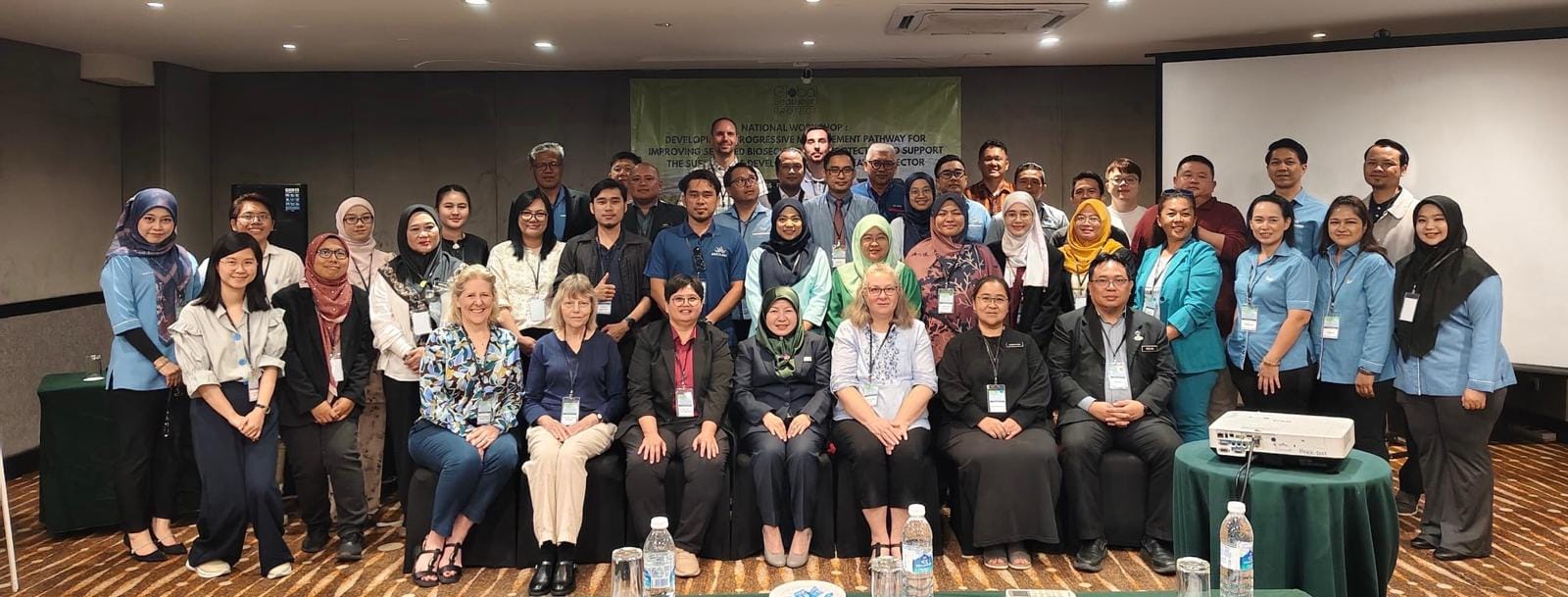
The 2.5-day workshop in Sabah, Malaysia, focused on the main commercially grown seaweed species in Malaysia, the key pest and disease challenges faced by the industry, and the practical solutions that will allow the industry to develop to its full potential.
The workshop also discussed other seaweed species that could potentially be commercialized and how wild seaweed stocks can be protected and restored in Malaysia, as they are crucial in providing climate-resilient cultivars for the future.
The workshop is part of an international GlobalSeaweed-PROTECT three-year program (February 2025 to February 2028) funded by the UKRI Biotechnology and Biological Sciences Research Council (BBSRC) under the Sustainable and Resilient Aquaculture Systems in Southeast Asia program.
The ultimate goal of the program is to improve livelihoods for the long-term for seaweed farming communities in Southeast Asia by building a productive seaweed industry that is resilient to climate change, is biosecure, and protects wild seaweed diversity.
Project lead Prof. Juliet Brodie, based at the Natural History Museum, London, said: “Seaweeds are vital for the functioning of the marine ecosystem, and there are more than six million seaweed farmers who rely on seaweed for their livelihoods. The vast majority of farmers are in Asia, which accounts for more than 95% of global seaweed farming.
“Yet, commercial seaweeds are threatened by outbreaks of pests and diseases, as a result of climate-induced increases in seawater temperatures, which are limiting an already fragile production in a very competitive global market. It is hoped that the PMP/AB-Seaweed will provide a practical road map to help the seaweed industry in Malaysia increase its resilience to climate change.”
GlobalSeaweed-PROTECT also involves a core research team of Prof. Phaik Eem Lim of the University of Malaya, Prof. Elizabeth Cottier-Cook of the Scottish Association for Marine Science, as well as contributions from the Department of Fisheries Sabah and the United Nations University Comparative Regional Integration Studies.
Prof. Cottier-Cook added: “Our trip to Malaysia brought the UK team together with a wide range of stakeholders from the seaweed industry in Malaysia for the first time in this project, allowing us the opportunity to build capacity and to co-create a PMP/AB-Seaweed that will help improve the resilience of an industry vital to so many in Malaysia.
“Our shared knowledge in seaweed cultivation, biosecurity, and governance between Malaysia and the UK will bring the necessary experience required to really make a difference to this industry.”
Prof. Phaik Eem Lim also added: “This is a significant milestone and the first step towards delivering climate solutions for the seaweed farmers by working in partnership with organizations across Malaysia to develop a system that can enhance climate resilience and improve livelihoods.”