Methods for actively removing carbon dioxide (CO2) from the atmosphere, known as Carbon Dioxide Removal (CDR), are currently the subject of extensive research, including marine CDR (mCDR) methods. These approaches aim to compensate for hard-to-abate residual emissions and, in the longer term, contribute to achieving the climate targets set out in the Paris Agreement.
To ensure that such methods can be applied safely and transparently in the future, reliable Monitoring, Reporting, and Verification (MRV) systems will be essential. MRV frameworks must track how much CO2 is removed, how long it is stored, and any potential environmental impacts.
This is the central message of the European Marine Board’s Future Science Brief No. 13, ‘Monitoring, Reporting and Verification for Marine Carbon Dioxide Removal’, which was published in Brussels today. Thirteen researchers from an international working group contributed to the document, including Prof. Dr. Andreas Oschlies, Head of the Biogeochemical Modelling Research Unit at GEOMAR Helmholtz Centre for Ocean Research Kiel.

“No mCDR method currently has a sufficiently robust and comprehensive MRV system in place,” said Dr. Helene Muri, a senior researcher at the Norwegian Institute for Air Research (NILU) and the Norwegian University of Science and Technology (NTNU), who co-led the working group together with Dr. Olivier Sulpis from CEREGE—Aix-Marseille University, CNRS, IRD. “This means that efficient and safe implementation cannot be ensured at present.”
Knowledge Gaps and Need for Action
The EMB Future Science Brief highlights key research gaps. For example, it is not yet fully understood how different mCDR methods affect ocean processes, or how long the captured carbon would remain stored. These uncertainties currently complicate the evaluation of potential risks and benefits.
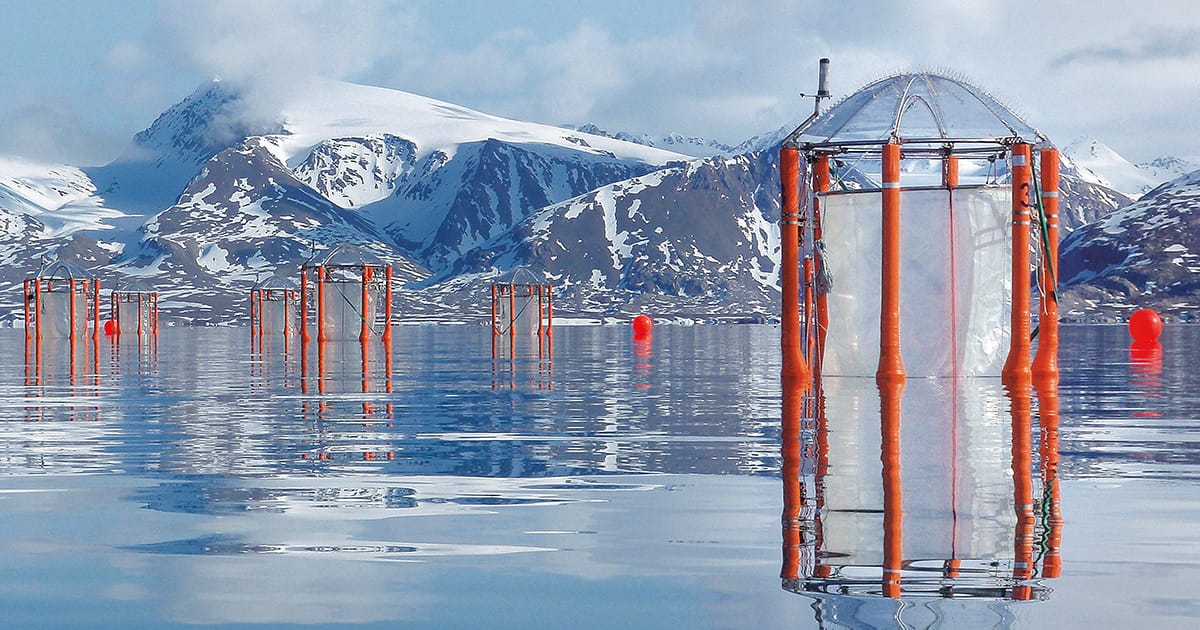
“Responsible climate policy requires reliable data,” said Prof. Dr. Andreas Oschlies from GEOMAR. According to the report, this particularly applies to observational data, modeling approaches, and technological innovations that can underpin the development of science-based MRV systems. Oschlies added: “Findings from the German research mission CDRmare—from laboratory studies, mesocosm experiments, and modeling—suggest that several marine CDR methods may hold promise. However, we can only make responsible decisions about if and where they can be applied once we fully understand their effectiveness and possible side effects in the marine environment.”
Clear Rules and Global Responsibility
As well as highlighting scientific challenges, the report also draws attention to governance issues. Currently, there are no dedicated legal or institutional frameworks for MRV systems relating to marine CDR.
“We need harmonized and binding rules that provide transparency and overcome the current fragmentation of MRV systems,” said Helene Muri. Only then can future CO2 removal activities in the ocean be implemented in a responsible manner that protects marine ecosystems.
At the same time, the scientists stress that reducing greenhouse gas emissions rapidly and substantially must remain the top priority. Marine CDR can support this process, but it cannot replace it.