The study includes a direct comparison with equivalent censuses conducted in Dénia using the same methodology. In this case, the findings show greater biodiversity, a higher number of commercial species, a more balanced size structure, and significantly higher biomass than that recorded along the Ibizan coast.
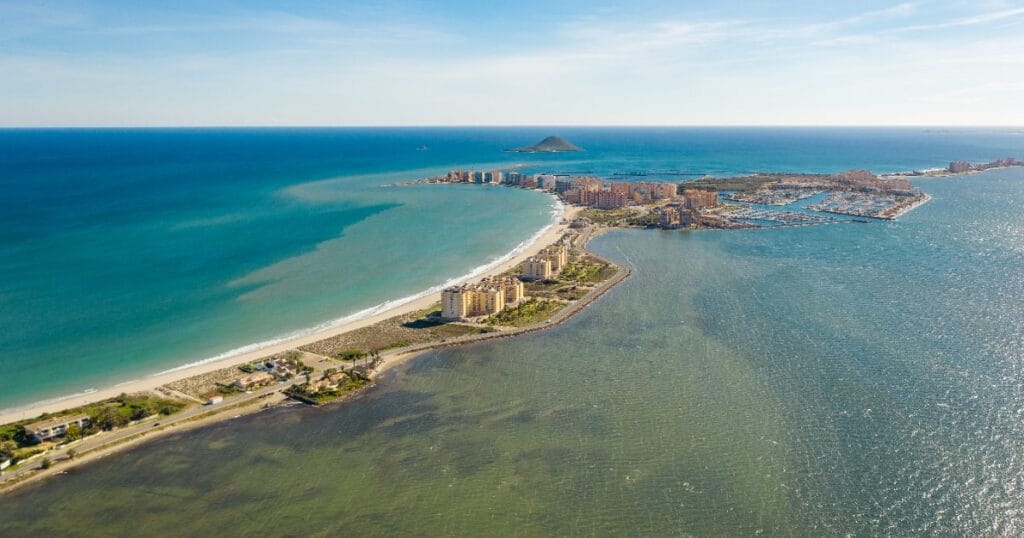
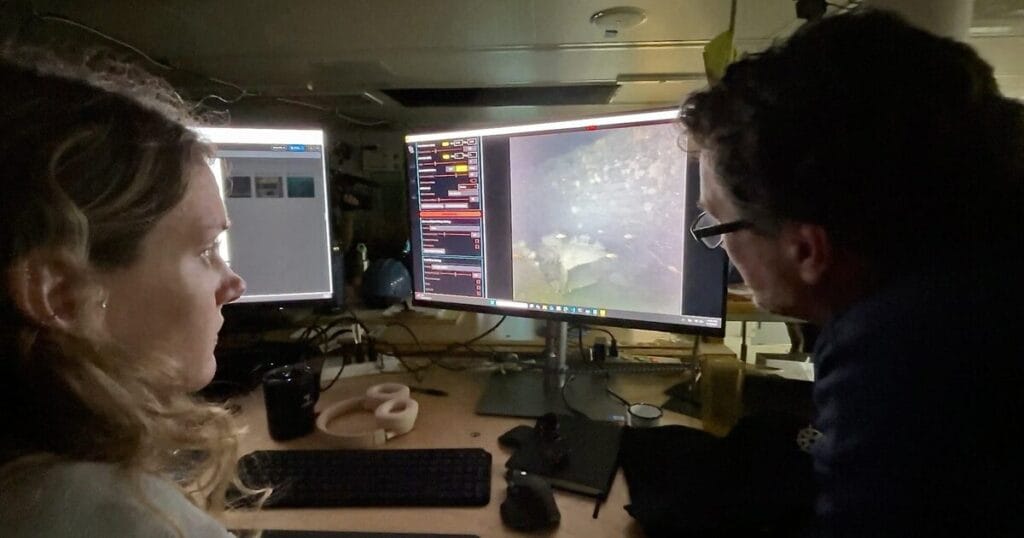
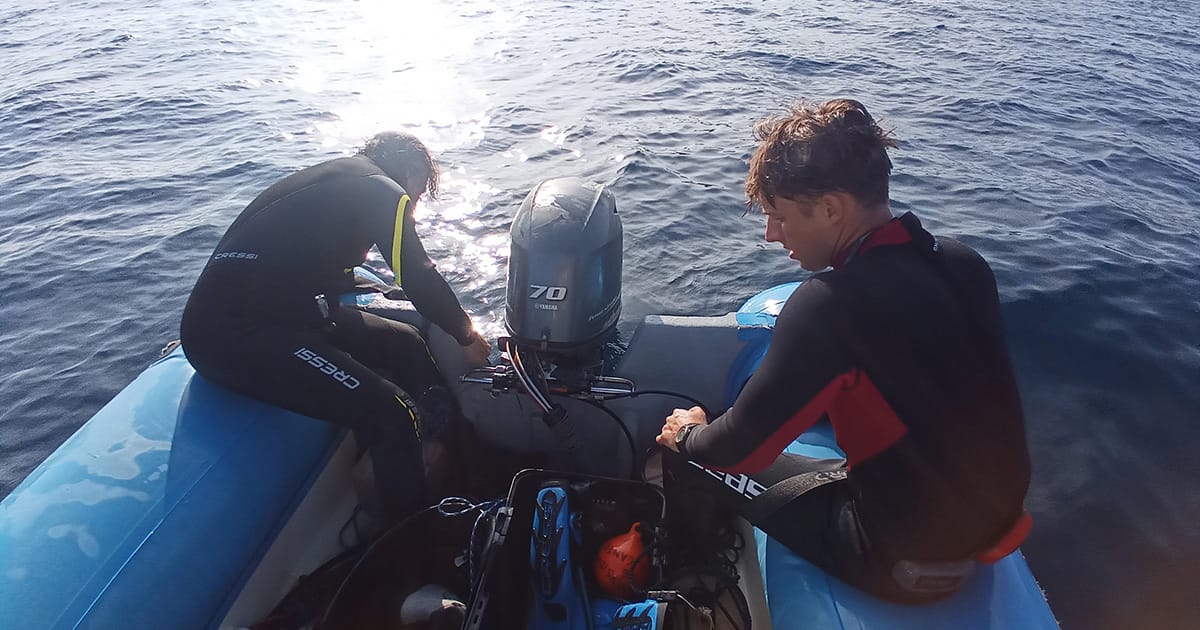
Fieldwork was conducted in June 2025 in three representative areas of Ibiza’s coastline—Santa Eulària, Cala Sol d’en Serra, and Talamanca—coinciding with a period of peak tourist and environmental pressure. A total of 3,243 individuals belonging to 15 species were recorded, a low figure for this type of habitat, particularly when compared with other areas of the western Mediterranean, according to the University of Alicante and the Universitat Jaume I.
“Underwater, in the surveyed areas, we found an ecosystem that is not functioning properly: small and juvenile fish predominate, and adults are scarce. This allows us to infer ongoing environmental pressure, even though the Posidonia meadow is still standing”, explains Esteban Morelle-Hungría, principal investigator of the project and director of the IbizaPreservation Chair in Blue Criminology at the Universitat Jaume I.
“When we compare Ibiza with other parts of the western Mediterranean, such as Dénia, we observe fewer species, lower biomass, and fewer adult fish. This indicates that the ecological status of Ibiza’s coastline is more fragile than is usually assumed,” Morelle added.
In Ibiza, almost 98% of the individuals observed were small in size, compared with a much lower proportion in Dénia. This reinforces the idea that large areas of the Pitiusan coastline function mainly as nursery grounds, a highly relevant criterion when identifying potential locations for a Marine Protected Area (MPA).
A Silent and Cumulative Degradation
The researchers warn that these results do not reflect an isolated episode, but rather the accumulation of environmental pressures acting continuously on the coastline. These include wastewater discharges, brine from desalination plants, microplastics, heavy maritime traffic, and heavy tourist pressure. “One of the biggest problems is that marine environmental damage has become normalized. Legal discharges, poorly sited infrastructure, or intensive tourism pressures are not perceived as violence, even though their effects are clearly destructive,” Morelle-Hungría warned.
From a Blue Criminology perspective, the study introduces the concept of slow environmental violence, a form of degradation that does not occur abruptly but whose effects accumulate over time.
“What these data show is not an accident or a one-off event, but a form of slow and cumulative environmental violence. Damage to the Pitiusan Sea does not happen all at once, but day by day, without visible perpetrators and with real consequences for ecosystems,” Morelle-Hungría added.
The fish census provides a key biological baseline to guide future conservation and management policies for Ibiza’s coastline. Among the study’s main recommendations are the implementation of regular monitoring programs, a review of the design and location of outfalls, the application of the precautionary principle in water management, and the assessment of new marine protected areas. “Blue Criminology does not arrive once the damage is irreversible, but to prevent it. Studies like this make it possible to identify risks, correct decisions, and prevent marine degradation from becoming permanent structural damage,” the researcher concluded.
The IbizaPreservation Chair in Blue Criminology, jointly promoted by the IbizaPreservation Foundation and the Universitat Jaume I of Castelló (UJI), is an academic initiative devoted to the study, research, and dissemination of knowledge on ecological damage in aquatic ecosystems. Using an interdisciplinary approach based on Blue Criminology, the Chair analyses practices such as pollution, overfishing, and habitat destruction, considering both their ecological impact and their potential legal implications. Within this framework, the MarPITIUS25 project integrates physicochemical and biological data to provide a scientific, legal, and restorative diagnosis of Ibiza’s coastline, with the aim of contributing to fairer, evidence-based environmental governance.