The Minister of Fisheries, Oceans and the Canadian Coast Guard, the Honorable Diane Lebouthillier, announced close to $9.3 million in funding for four projects in British Columbia under the Aquatic Ecosystems Restoration Fund (AERF). This fund supports projects to conserve and restore aquatic ecosystems by addressing impacts in these environments.
Projects receiving funding as part of the announcement include:
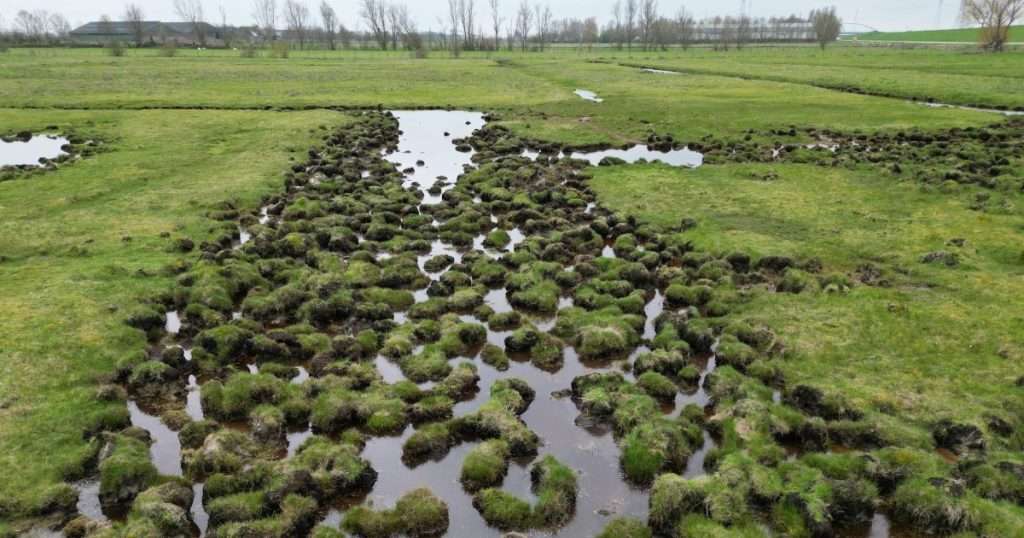
- $852,000 over four years for the Ditidaht First Nation to restore the Doobah Creek watershed on the west coast of Vancouver Island. Community initiatives and an informed, natural-based restoration approach will address lost and degraded critical salmon spawning and rearing habitats.
- $1,818,901 over four years for the SeaChange Marine Conservation Society and partners to implement the Resilient Estuaries of the Salish Sea project through restoration, conservation, monitoring, and educational activities that address the pressures and threats to important salmon.
- $2,924,899 over four years for the Secretariat of the Haida Nation to continue monitoring, adaptive management, and restoration of historic marine-based log handling facilities in ecologically sensitive estuaries on Haida Gwaii.
- $3,683,027 over four years for The Kelp Rescue Initiative (based at the Western Canadian Universities Marine Sciences Society’s Bamfield Marine Sciences Centre) and the University of Victoria to develop and apply methods for culturing and out-planting giant and bull kelp in southern British Columbia, in partnership with local First Nations.
As part of the Oceans Protection Plan, AERF supports projects that contribute to restoration priorities in coastal and upstream areas that have a direct impact on coastal aquatic ecosystems; contribute to the development and implementation of aquatic restoration plans; and stimulate partnership with Indigenous Peoples, conservation groups, and academia to address threats to Canadian aquatic species and habitats. Activities funded under AERF help to address the root causes of impacts on those environments and help protect and restore aquatic habitats for Canada’s coastline, estuaries, and inland regions.
The Oceans Protection Plan is a Canadian success story. When Indigenous Peoples, industry, communities, experts, academia, and government work together to protect our environment, grow our economy, and support good jobs across the country, we deliver real results. Canada’s Oceans Protection Plan is keeping our oceans and coasts healthy, advancing reconciliation, and building a clean future for our children and grandchildren.
“The Government of Canada is committed to taking action to restore and safeguard the health of our ocean and freshwater ecosystems. We are proud to help fund the work of these recipients in restoring and enhancing priority coastal and upstream aquatic areas. Working together, we can enhance our abilities to combat climate change through aquatic restoration activities,” shared the Honorable Diane Lebouthillier, Minister of Fisheries, Oceans and the Canadian Coast Guard.
Quick facts
- Since 2016, the Government of Canada has dedicated $3.5 billion to the Oceans Protection Plan, making it the largest investment Canada has ever made to protect its coasts and waterways.
- In December 2022, the Government of Canada announced an investment of $75 million over five years for the Aquatic Ecosystems Restoration Fund as part of the expanded Oceans Protection Plan to support projects that conserve and restore priority coastal and upstream aquatic areas.
- The Government of Canada made significant investments in the Restoration Community under the Coastal Restoration Fund in 2017, and the Aquatic Ecosystems Restoration Fund continues to bring Indigenous groups, resource users, community organizations, and other groups together to encourage local capacity to support aquatic habitat restoration, maintenance, and revitalization.