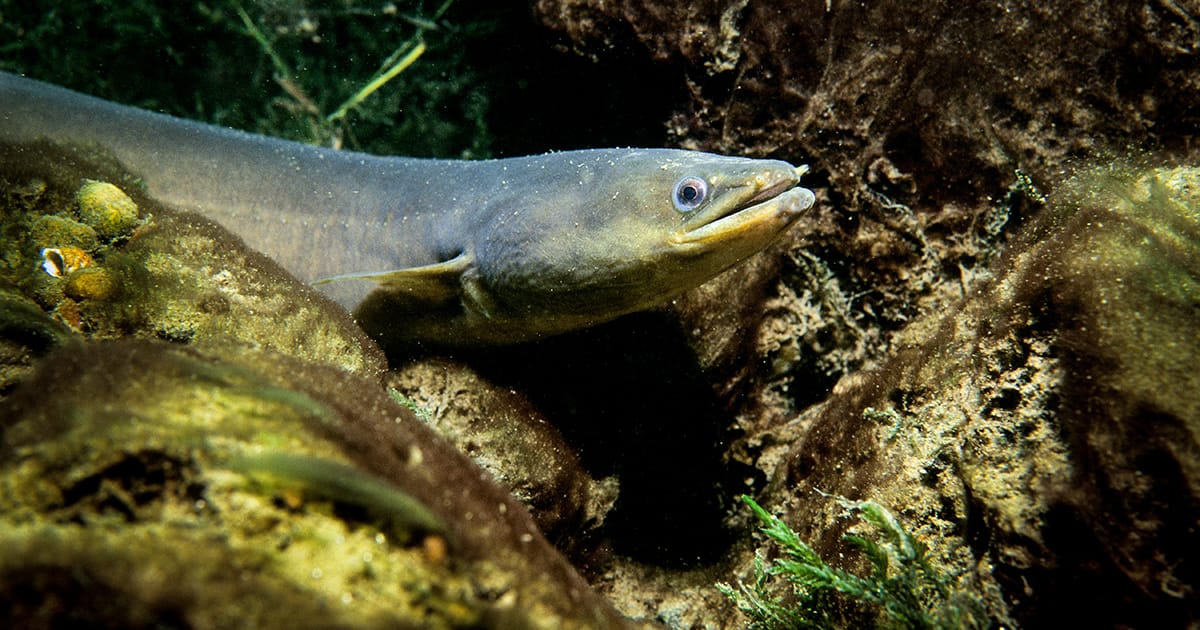
The 2025 season is possible due to the introduction of new regulations, which came into effect on March 1, 2025. Under the new regulations, elver fishing and possession license holders are required to submit reports to DFO to manage the movement of elvers in the export supply chain. Individuals or businesses need a possession license to possess elvers once they have been deposited at a holding facility and an export license to arrange for elvers to be exported from Canada. The new regulations apply to elvers, both domestic and foreign-caught.
Fishing and possession license holders are required to use the Elver Management and Tracking (EMT) application to keep the authorities informed about the status of elver in the supply chain. The EMT application collects data on elver fishing activity, catch, the transfer of elvers between authorized holding facility locations, and the shipment of elvers from an authorized holding facility to a place of export.
Together, the new elver regulations and the EMT will help to reduce unlawful harvesting by making it easier to track the possession of lawfully harvested elver and harder to possess, sell, and export unlawfully harvested elver.
The Total Allowable Catch (TAC) for the 2025 season has been set at 9,960 kilograms. This TAC is the same as the 2022 and 2023 seasons.
To support access to rights-based fishing in pursuit of a moderate livelihood, 50% of the TAC has been redistributed to First Nations entering the fishery. A percentage of the TAC has been moved from each of the current nine license holders to contribute to the 50% for First Nations. The distribution of the TAC among First Nations is based on population size. Canada continues to consult with First Nations in preparation for this season.
Fishery officers will be working directly with all license holders in the elver fishery to ensure they understand and comply with their conditions of license and that they are following all applicable regulations under the Fisheries Act.
Fishing, possessing, or exporting elver without a license will not be tolerated. Fishery officers will be patrolling rivers, inspecting holding facilities and export points, and working with law enforcement partners to enforce the Fisheries Act and regulations to keep this fishery sustainable and orderly.
“The Government of Canada is delivering on its promise to have an orderly and sustainable elver fishery this year. Our new regulations have enabled this lucrative fishery to be open this season to licensed harvesters and give our fishery officers new tools to reduce unlawful harvesting,” said the Honorable Diane Lebouthillier, Minister of Fisheries, Oceans and the Canadian Coast Guard.
Quick Facts
- Under the new elver regulations and existing Maritime Provinces Fishery Regulations, there are three categories of elver licenses, each administered and regulated by DFO:
- Fishing licenses, issued under the Maritime Provinces Fishery Regulations, will continue to regulate the harvesting and transportation of domestic elvers from the water to elver holding facilities.
- A newly-introduced possession license is required to possess and store domestically-caught and imported elvers at a holding facility anywhere in Canada, and to transport elvers within Canada (with certain exceptions) and to a place of exit from Canada, such as airports or customs-controlled land border crossings.
- A newly-introduced export license is required to export elvers from Canada
- Reporting data collected through the application will enable fishery officers to differentiate between legal versus illegal elver shipments and help to prevent unlawfully harvested elver from entering the legal supply chain.
- Regulating the possession and export of elvers will improve compliance monitoring activities and enforcement at critical points in the elver supply chain, including at holding facilities and airports.
- The elver fishery occurs in Southwest New Brunswick, the Upper Bay of Fundy, Southwest Nova Scotia, along the Eastern Shore of Nova Scotia, and in portions of Cape Breton Island.