This summer, Fisheries and Oceans Canada (DFO), in partnership with the Manitoba Government, conducted joint roadside inspections on Highway 1 (the Trans-Canada Highway) near the Manitoba-Ontario border to stop and inspect watercraft for AIS and to ensure they were cleaned, drained, and dried before crossing the provincial border.
Following the success of a roadside inspection blitz in June, DFO and Manitoba jointly conducted a second blitz from August 22 to 24, 2025.
During the three-day inspection blitz, a total of 458 vehicles were stopped that were transporting 958 watercraft or related equipment. Of these:
- 740 watercraft were compliant with clean, drain, dry requirements
- 218 watercraft were not cleaned, drained, or dried, and failed the AIS inspection
- 14 watercraft required decontamination, and drivers were provided instructions on how to comply with prevention measures in the future
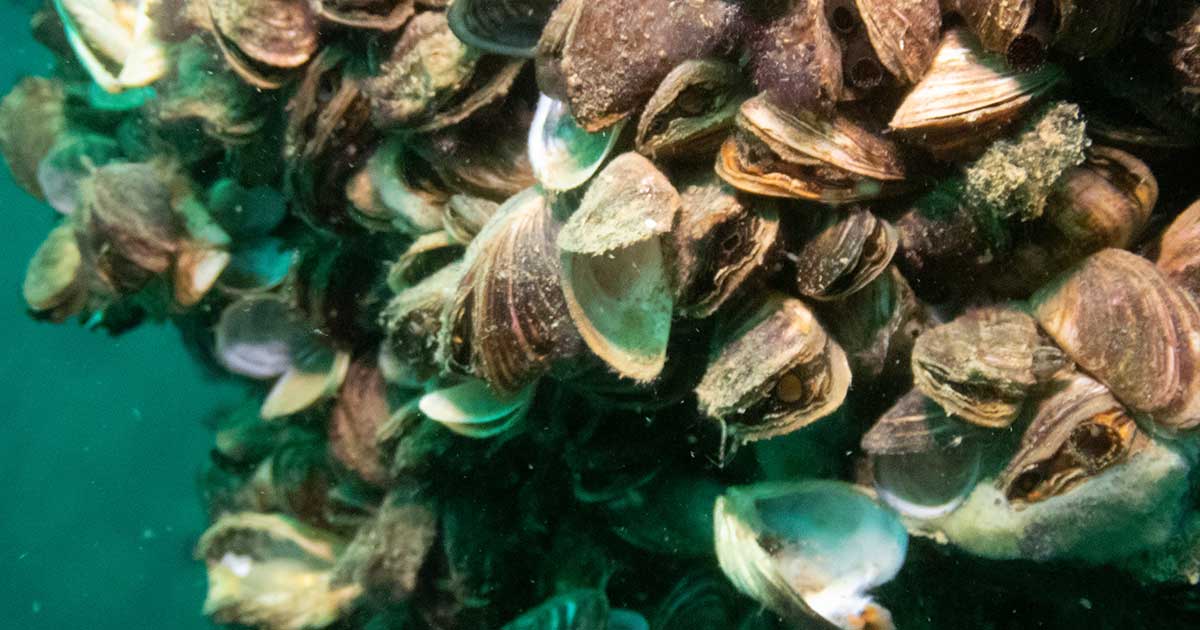
- 1 watercraft had visible Zebra Mussels present
Preventing the introduction and spread of AIS is essential to safeguarding Canada’s waterways. Inspecting watercraft and ensuring they are properly cleaned, drained, and dried helps prevent AIS from being introduced to, and established in, new bodies of water.
“Together with the Manitoba government, this joint blitz is practical prevention in action—helping boaters clean, drain, and dry so invasive species don’t get a foothold. It keeps our lakes healthy for families, harvesters, and wildlife, today and for the next generation,” said the Honorable Joanne Thompson, Minister of Fisheries.
Quick Facts
- Aquatic invasive species (AIS) are freshwater or marine plants, animals, algae, and micro-organisms introduced outside their natural or past distribution that have significant negative impacts on the environment, economy, society, or human health.
- AIS can pose a serious threat to the biodiversity of Canada’s waters. After habitat loss, invasive species are the biggest threat to global biodiversity. They can grow quickly, compete with native species and alter habitats, and cost billions of dollars annually in damage to infrastructure and revenue loss in Canada.
- Under the Aquatic Invasive Species Regulations, it is illegal to:
- introduce an aquatic species into a body of water where it is not native, unless authorized by federal, provincial or territorial law
- possess, transport, and release Zebra Mussels in Manitoba, Saskatchewan, Alberta, and British Columbia
- import Zebra Mussels into Canada, except within the transboundary waters of the Great Lakes in Ontario and the transboundary waters of Quebec
- Individuals who violate legislation related to aquatic invasive species may face substantial fines under provincial legislation, as well as a maximum fine of $100,000 for a first offense under the federal Fisheries Act.