Aquatic products serve as a key protein and omega‑3 fatty acid source for global populations, yet rapid aquaculture expansion has brought persistent food safety risks, including marine toxins, heavy metals, microplastics, and pathogenic bacteria. Conventional detection approaches often rely on bulky instruments, long assay times, and complex operations, while traditional removal methods face limitations in efficiency, cost, or secondary pollution. Benefiting from large surface areas and tunable physicochemical properties, nanostructures can be functionalized with antibodies, aptamers, and ligands to act as sensing indicators, signal amplifiers, photocatalysts, and separation materials.
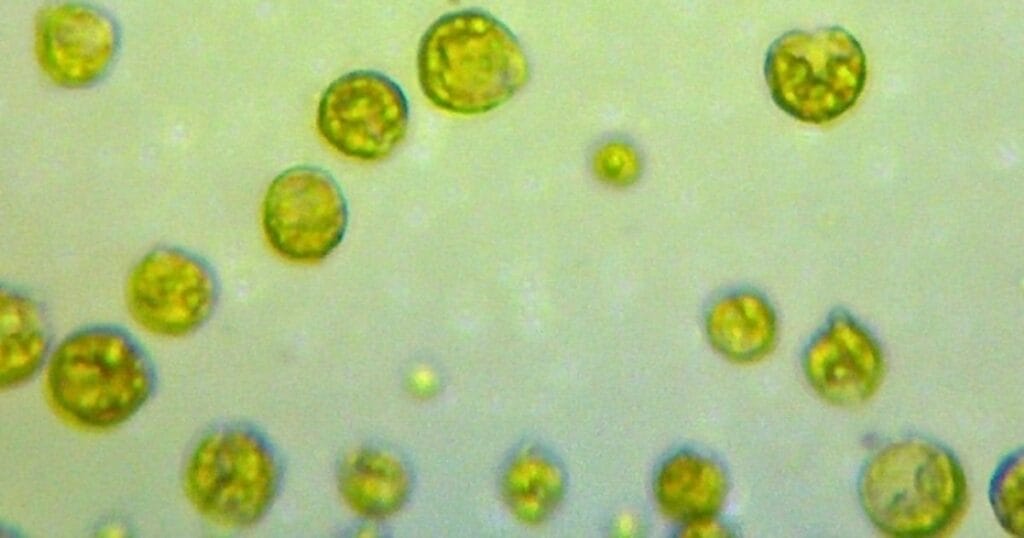
The review covers applications across four major hazard categories. For marine toxins including saxitoxin, okadaic acid, brevetoxin, and tetrodotoxin, nanostructure‑integrated sensors based on colorimetry, fluorescence, surface‑enhanced Raman scattering, and electrochemistry have enabled rapid and sensitive detection. In heavy metal monitoring, nanomaterial platforms support colorimetric, SERS, and smartphone‑assisted fluorescence detection, while magnetic and high‑surface‑area nanostructures provide effective adsorption toward mercury, lead, cadmium, and copper ions in aquatic environments. For microplastics and nanoplastics, nanostructure‑assisted techniques including single‑particle ICP‑MS and SERS improve identification of tiny particles, and functional nanocomposites support adsorption and catalytic degradation. In terms of pathogenic bacteria such as Vibrio parahaemolyticus, Aeromonas hydrophila, and Edwardsiella tarda, nanostructure‑based biosensors support rapid on‑site testing, and green nanostructured antimicrobials help control pathogens while reducing antibiotic reliance.
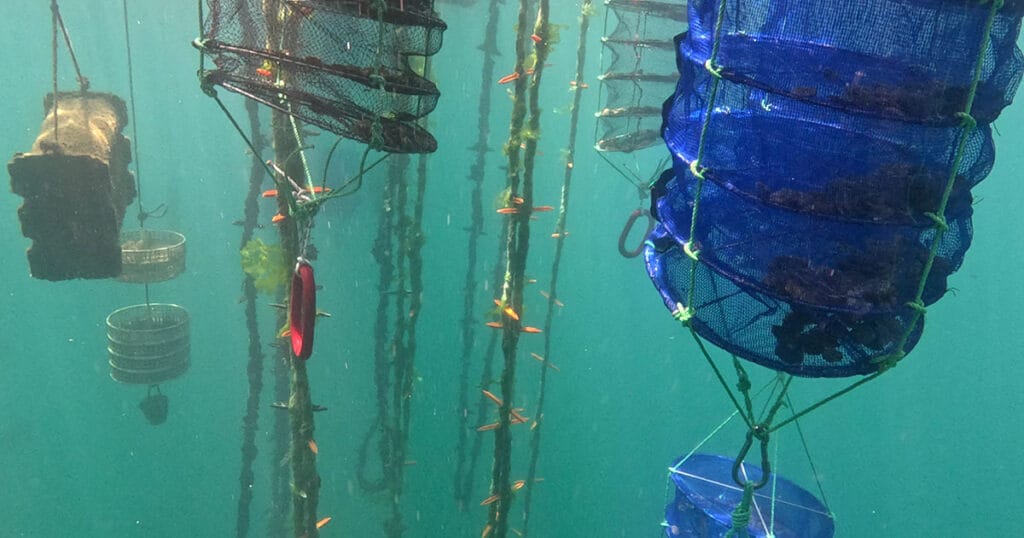
The review also discusses integration of nanostructures into existing aquaculture workflows and points to future directions, including improving stability in complex saline environments, enhancing detection sensitivity, developing multifunctional nanosystems, promoting sustainable and biodegradable nanomaterials, establishing standardized testing protocols, and incorporating artificial intelligence in material design and data analysis. It also notes the need for corresponding standards and regulations to ensure environmental and food safety during large‑scale applications.
By offering sensitive, rapid, and sustainable tools for hazard management, nanostructure technologies are expected to support the healthy development of aquaculture and contribute to global food security.
The paper “Enhancing Safety in Aquaculture with Nanostructures: Hazard Detection and Elimination,” is authored by Qingsong Zhang, Xilong Wang, Li Lian Wong, Shikai Liu, Ming Li, and Guoqing Wang. Full text of the open access paper: https://doi.org/10.1016/j.eng.2025.07.044.