After considering the best available scientific and socio-economic data, and comments received from Indigenous groups, provinces, partners, stakeholders, and the Canadian public via public engagement and consultation efforts, the Governor in Council has decided not to list American eel under the Species at Risk Act (SARA).
The Governor in Council determined that managing American eel and its habitat under the Fisheries Act is most effective for conserving the species while also providing the greatest overall socio-economic benefits to Canadians.
DFO remains committed to protecting and conserving the American eel. Under the Fisheries Act, DFO will continue to address the threats posed to this species using an adaptive management approach. This approach will provide flexibility to continuously update protection and management measures as new science and Indigenous and local knowledge become available.
DFO will continue implementing measures aimed at minimizing the negative effects of habitat alteration, improving the species’ migration passages, increasing the sustainability of American eel fisheries (including the elver fishery), and enhancing the science and data on the species. These measures will continue to be monitored to ensure they remain relevant and effective for protecting and conserving the species.
The conservation and protection of the American eel is a shared responsibility, and DFO is committed to continuing to work collaboratively with Indigenous groups, provinces, partners, stakeholders, and all Canadians in this important endeavor.
“American eel is important to many communities, including for Indigenous food, social and ceremonial purposes. The Government of Canada will continue to protect this species under the Fisheries Act, while supporting sustainable fisheries in Atlantic Canada and Quebec,” said the Honorable Joanne Thompson, Minister of Fisheries .
Quick Facts
- This decision and supporting documentation will be posted on Canada Gazette, Part II, on December 17, 2025.
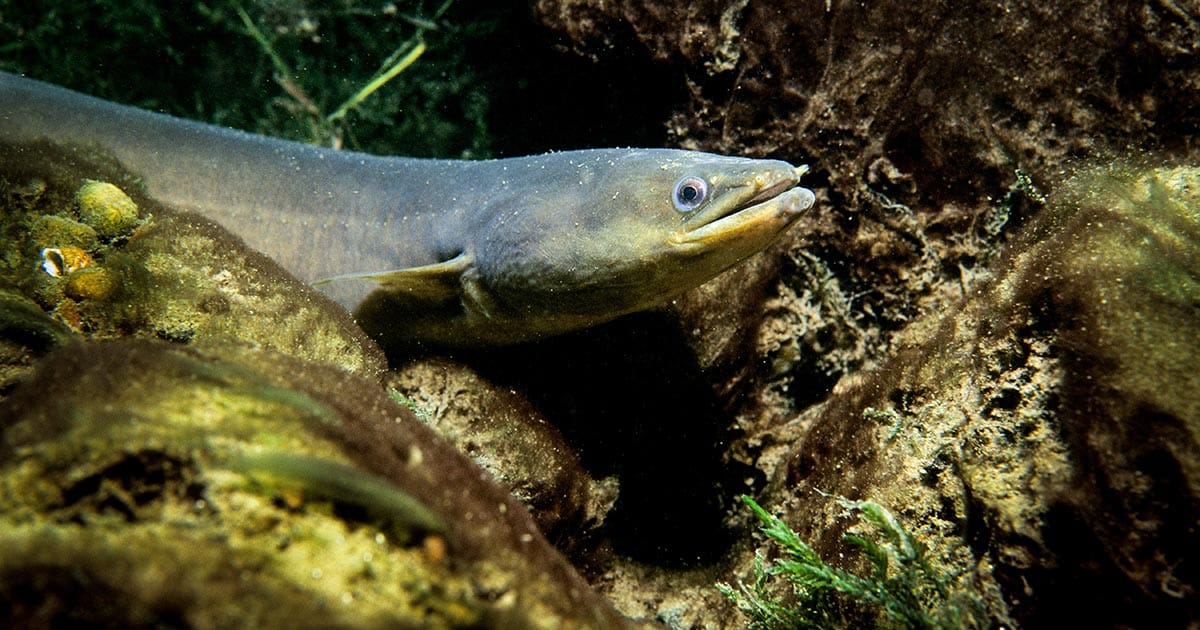
- The American eel (Anguilla rostrata) is a catadromous fish species: it lives in both marine and freshwater during its life cycle. The species only has one global population, which spans from the western side of the Atlantic Ocean, from the Caribbean Sea to Greenland and Iceland, including the Sargasso Sea, where it spawns.
- In Canada, the American eel is found in all fresh waters, estuaries, and marine waters that are connected to the Atlantic Ocean, from Niagara Falls in the Great Lakes north to the mid-Labrador coast.
- A 2024 national process led by the Canadian Science Advisory Secretariat (CSAS), an organization that coordinates scientific peer review and advice for Fisheries and Oceans Canada (DFO), found that the population’s abundance across Canada has remained relatively stable over the past two decades.
- The main threats to the American eel identified are habitat alteration, dams and turbines, fishery harvest, changes to ocean conditions related to climate change, contaminants, and parasites.
- The Minister of Environment and Climate Change is responsible for the overall administration of the Species at Risk Act (SARA); however, the Minister of Fisheries is the competent Minister for aquatic species under SARA.
- American Eel has been assessed as threatened by the Committee on the Status of Endangered Wildlife in Canada (COSEWIC). For each species assessed as at-risk by COSEWIC, SARA requires that the Governor in Council make a decision either to “list”, “do not list”, or “refer back” a species to COSEWIC for reconsideration or more information.
- At CITES CoP20, Canada is supporting a separate solution focused on international data-sharing and traceability for eel fisheries, to help ensure that global trade in American eel is transparent, science-based, and does not undermine conservation efforts.