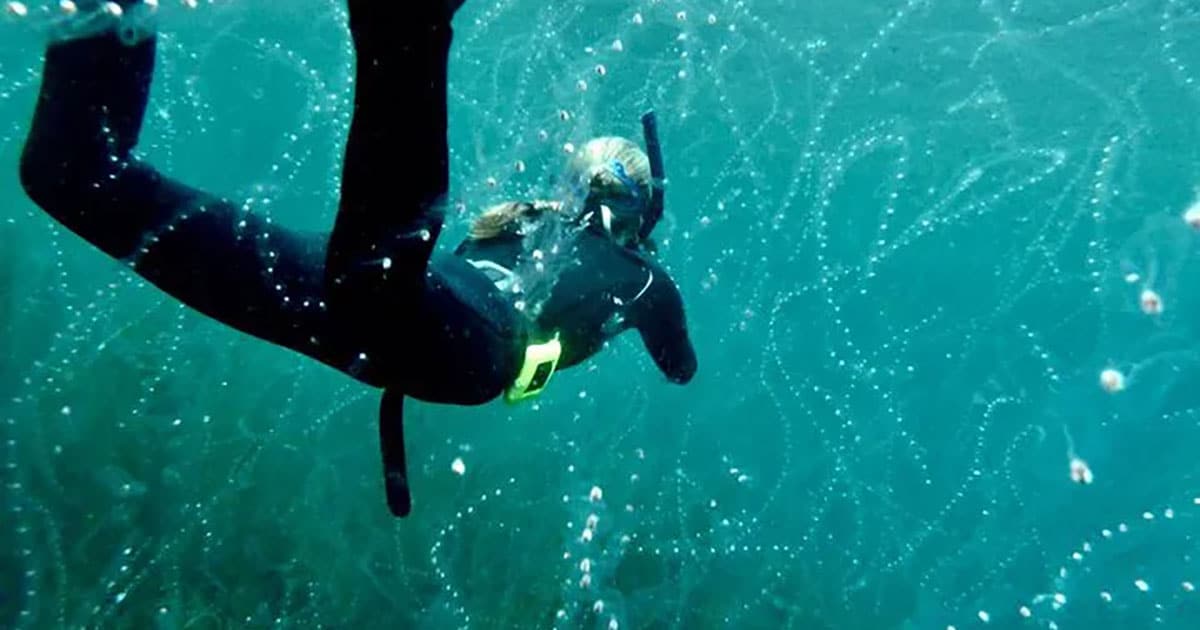
The Southwest Marine Ecosystems (The State of Southwest Seas) Report for 2023, published by the Marine Biological Association (MBA), reflects the work of hundreds of volunteer citizen scientists and professionals working in the southwest.
The findings help us to understand how the marine environment ‘works’, how it is changing, and whether the management of human activities and impacts is making a difference in the health of our seas.
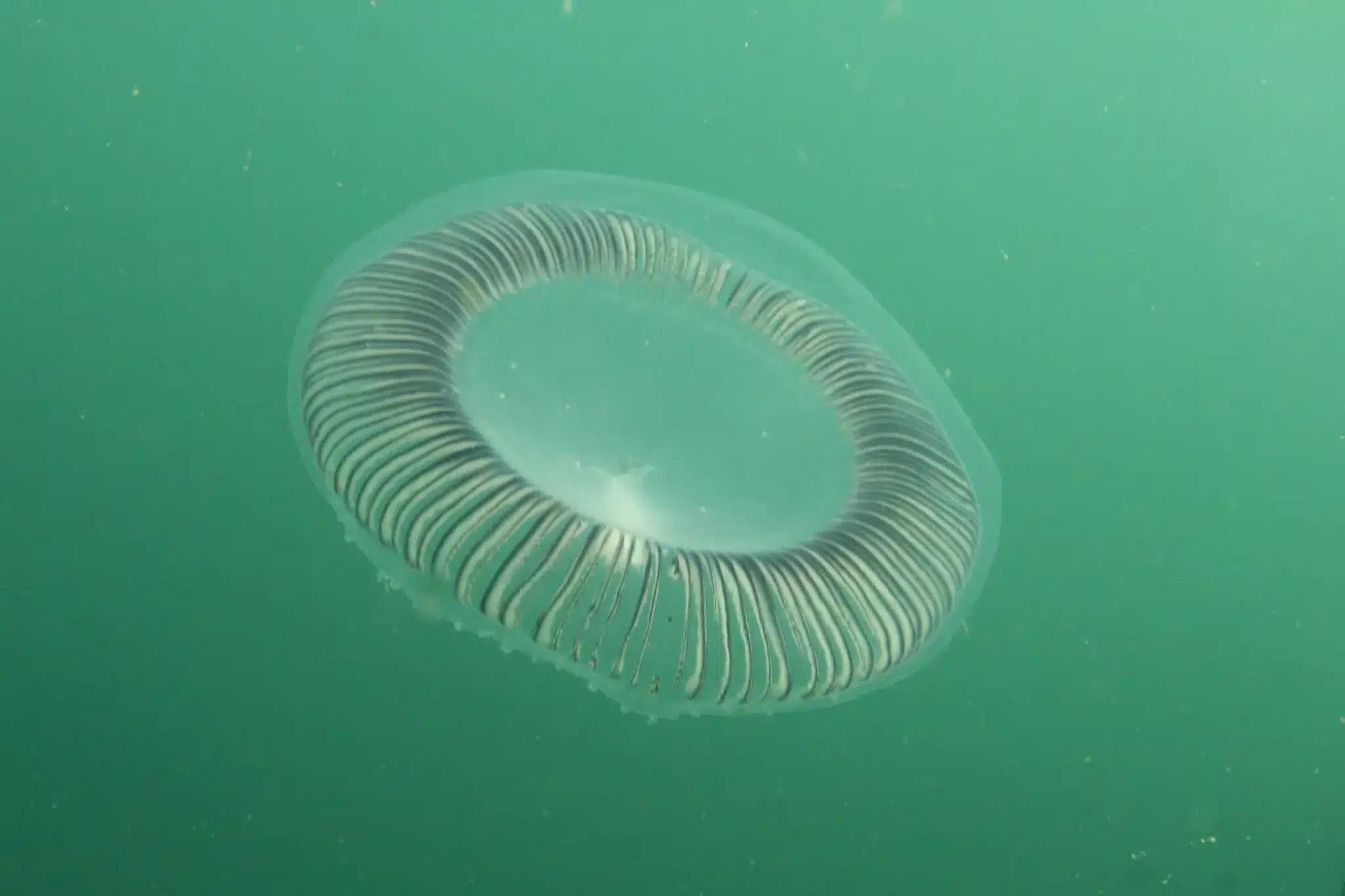
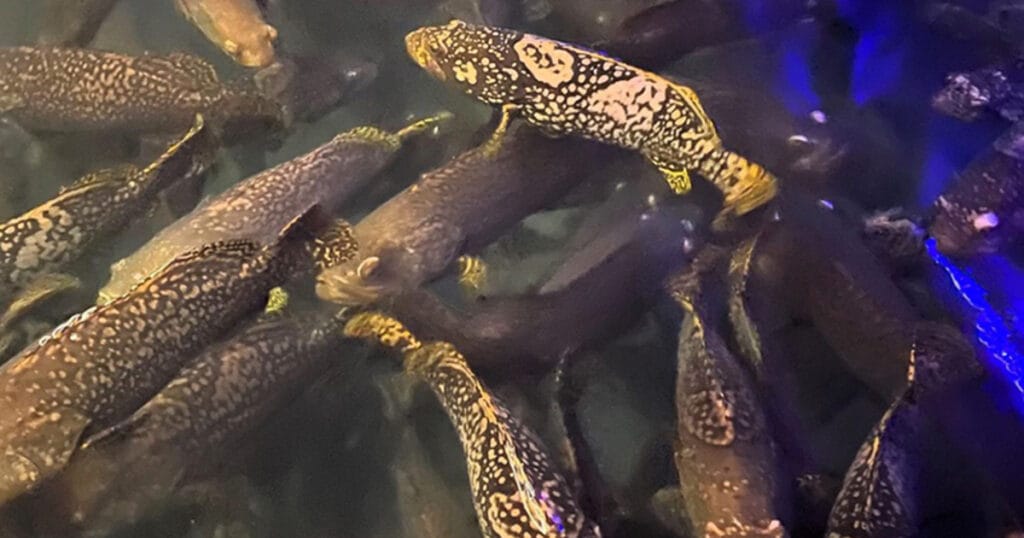
Crystal jellies. (Image credit: Marine Biological Association)
The 2023 report, which is the tenth in the series, includes detailed chapters on oceanography and storms, plankton, the seashore and seabed, fish and turtles, coastal birds, seals, whales, dolphins, and porpoises.
Management chapters include fisheries, marine planning, marine protected areas, water pollution, and plastics pollution.
Water Quality
The year 2023 was the sixth wettest on record, contributing to a higher percentage of sewage overflow spills. One hundred percent of storm overflows have now, however, been fitted with event duration monitoring devices, which will allow complete coverage, real-time data, and targeted improvements.
Fisheries
In 2023, the landings of many traditional fisheries, such as brown crab and mackerel, continued to decline, whilst landings for other species, such as crawfish and spurdog, increased as a result of stock recovery. Analysis undertaken by the MMO showed an overall reduction in the quantities of fish and shellfish landed in the southwest since 2016. It is likely that climate change will continue to benefit some species, such as black seabream, red mullet, and anchovy, and result in declines of some other species, such as lemon sole, Atlantic cod, and haddock.
Reptiles
2023 saw the most turtles recorded in the southwest area for nine years. The majority of the reports were of juvenile Loggerhead or Kemp’s Ridley turtles, most of which were ‘cold shocked’.
Whales, Dolphins, and Porpoises
There continued to be high numbers of cetaceans inshore in 2023. Since 2015, there have been marked increases in many cetacean species in inshore waters. There is limited ongoing research investigating this shift, and cetacean research in the UK continues to be poorly funded.
Seals
More seals were recorded dead across Cornwall in 2023 than born (half the dead seals were less than a year old). The largest seal disturbance on record was caused directly by people who saw 250 seals stampede off two adjacent SSSI beaches, resulting in an enforcement letter from Natural England.
MBA Associate Fellow Dr. Keith Hiscock, MBE, edits the whole report. He compiles the various contributions, selects relevant images with section editors, and is the editor of the ‘Seashore and Seabed’ section.
Dr. Hiscock said: “We are grateful to all of the contributors and especially want to encourage more casual observers to send their sightings of events and of unusual species and behavior to the section editors for the 2024 report. There are also many relevant groups on social media where observations can be posted and questions asked.”
My view is that the Southwest Marine Ecosystems annual reports continue the MBA tradition of disseminating knowledge about the marine environment to the public as well as to an academic audience. We also hope that assessing the State of Southwest Seas can influence policy that protects, restores, and enhances those marine ecosystems.”
To find out more, please read the full report here.
Webinars on these topics for 2023 can be viewed on the South West Marine Ecosystems YouTube channel.