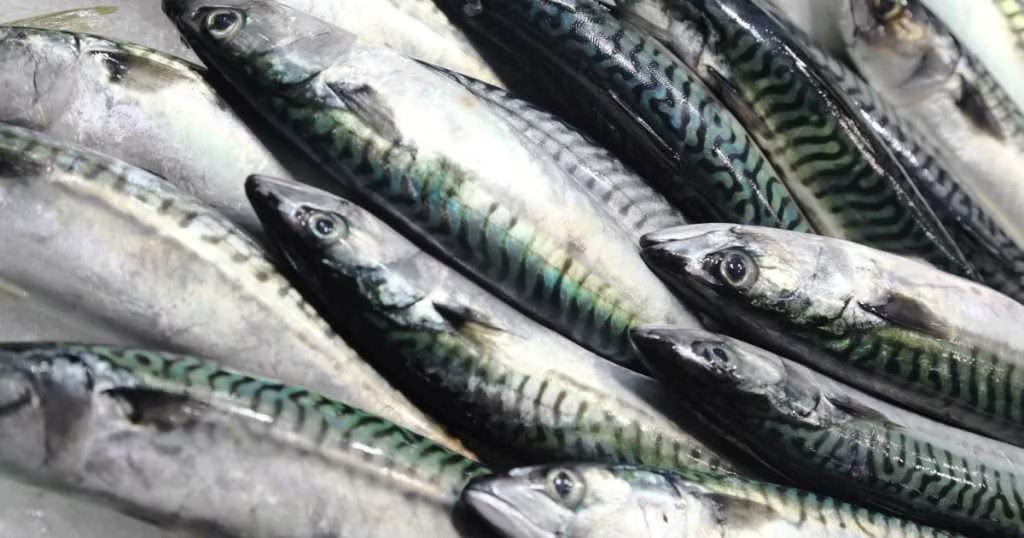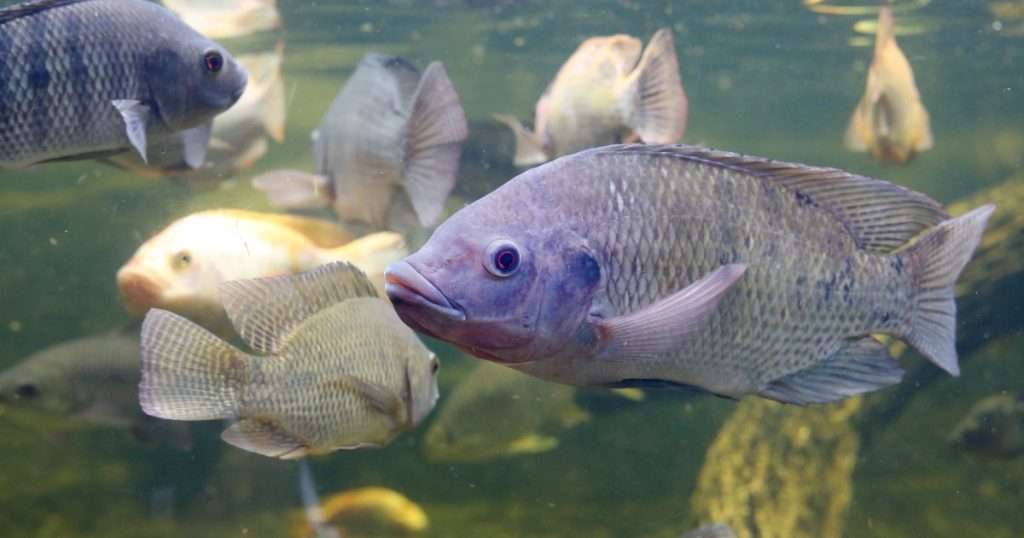

Marine heatwaves, which are becoming increasingly frequent, do not affect all fish equally: some populations lose out, while others gain. The study shows that it all depends on the thermal comfort zone, i.e., the ideal temperature range in which each species grows and develops best. When a heatwave pushes fish from already warm waters beyond that thermal comfort zone, their biomass can plummet by up to 43.4%. In contrast, populations in colder areas tend to thrive temporarily as temperatures rise, increasing their biomass by up to 176%.
“Although this sudden increase in biomass in cold waters may seem like good news for fisheries, these are transient increases. If managers raise catch quotas based on biomass increases caused by a heatwave, they risk causing the collapse of populations when temperatures return to normal or when the effect of long-term warming prevails, because these are short-lived increases,” warned MNCN researcher Shahar Chaikin.
The continued decline in ocean biomass caused by the ongoing rise in temperature is the main stress factor faced by marine species. “When we remove the noise of extreme short-term weather events, the data show that this warming is associated with a sustained annual decline in biomass of up to 19.8%,” explained Chaikin. “Unlike extreme short-term weather fluctuations, which can vary dramatically, this chronic warming exerts a constant negative pressure on fish populations in the Mediterranean Sea, the North Atlantic Ocean, and the Northeastern Pacific Ocean,” adds National University of Colombia researcher Juan David González Trujillo.
Improving Resource Management
The traditional approach to fisheries management no longer keeps pace with climate change. To safeguard the future of global fishery resources, the authors propose a three-level framework that combines rapid response, long-term planning, and international cooperation:
Marine heatwaves can cause drastic and sudden drops in biomass, especially at the warm edges of a species’ range. To facilitate the recovery of these populations, in the short term, it is important to implement climate-ready plans—immediate protection measures that take effect as soon as these extreme thermal events occur.
Moreover, it is vital not to lose sight of the silent and steady decline in biomass caused by chronic ocean warming. Sustainable management must be structured around the sustained decline that has been documented.
Finally, as species try to remain within their thermal range, they inevitably cross international borders. “A species population may be declining in one country but increasing in another. In this context, static management models are outdated. Effective conservation requires international coordination and joint resource‑management agreements,” concluded Chaikin.
Although populations at the cold edges of their ranges may offer temporary fishing opportunities, these benefits must not distract from the broader crisis. “Managers must balance localized increases with long-term declines extremely carefully to avoid overexploitation,” said Miguel B. Araújo, also of MNCN‑CSIC. “As ocean warming continues, the only viable strategy is to prioritize long-term resilience. Management measures must plan for the biomass decline expected in an increasingly warm ocean,” he concludes.