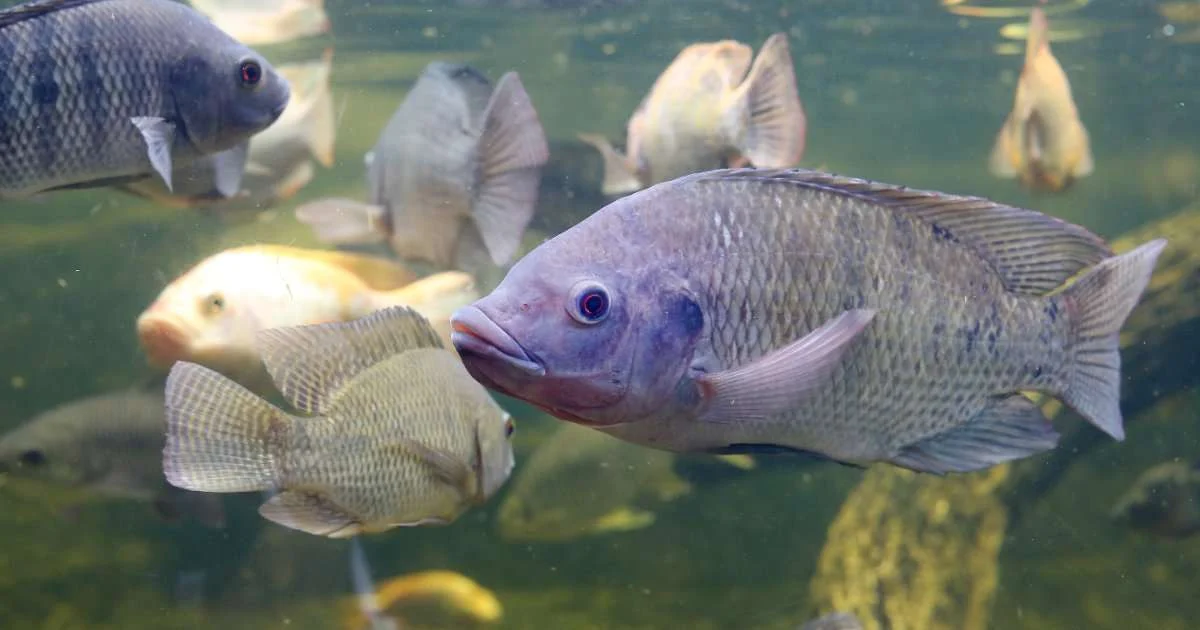
Researchers at the University of Hawaiʻi at Mānoa’s College of Tropical Agriculture and Human Resilience (CTAHR) have unlocked one of the molecular mechanisms underlying this remarkable feat. The study, published in General and Comparative Endocrinology, was led by Andre Seale, a researcher and professor in CTAHR’s Department of Human Nutrition, Food and Animal Sciences, alongside UH student researchers.
The team discovered how the fish survive under extreme salt stress by gradually increasing tank water salinity with artificial sea salt. Several fish species, including tilapia, need the hormone prolactin to prevent excessive water uptake and ion loss in freshwater, and turn it down when entering saltwater. However, in extreme hypersalinity, prolactin signaling continues to be suppressed, while a continuous shift in the types of prolactin genes being expressed takes place.
This allows the fish to fine-tune their ability to regulate salt and water balance even during transitions into salty environments.
“This salinity acclimation capacity is gradual, and even this species will fail to survive a direct transfer from freshwater to seawater. Understanding the rate and limits of how these fish tolerate higher salinities also helps improve production traits, including growth, feed efficiency, and nutritional value,” said Seale.
Preserving Freshwater Resources
Tilapia is a staple of global aquaculture and local Hawaiian aquaponics. Understanding the mechanisms underlying salt tolerance enables farming in brackish water, preserving precious freshwater for agriculture and drinking. It also allows for the investigation of how salt water may affect the nutritional quality of the fish.
By enabling tilapia farming in salty water, this research could play a role in boosting fish production and quality in regions with limited freshwater supply.
The research was supported by grants from the National Science Foundation and the USDA National Institute of Food and Agriculture.