The southern resident killer whale, SRKW, population on Canada’s west coast reached a milestone last month of 75 individuals with the disappearance and presumed death of L92, a young male orca also known as Crewser. This is a population low not seen in thirty years.
 In an effort to understand this critically endangered and declining population, a project was developed by the Canadian Department of Fisheries and Oceans called the Whale Tracking Network. This endeavour uses digital smart hydrophones developed by Ocean Sonics to acoustically track whale’s movements within their habitat as well as monitor disruptive noise introduced by human activity.
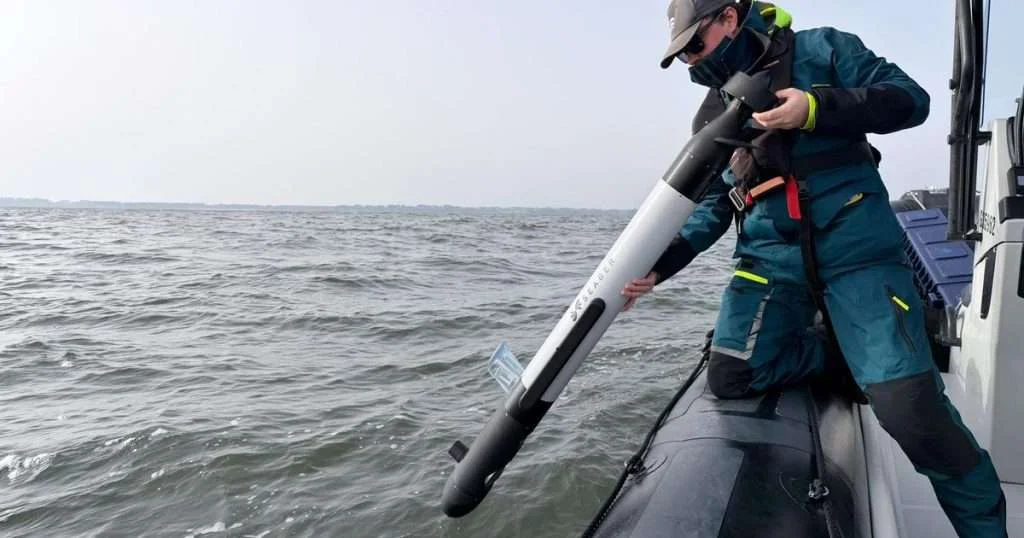
 The Whale Tracking Network began its operations in January 2016 with additional deployments of Ocean Sonics icListen smart hydrophones throughout 2016 and 2017. In total 28 hydrophones were deployed in 9 nodes along with newly developed smart hubs. This massive hydrophone array was deployed in strategic sites around Southern Vancouver Island and the Gulf Islands. Each node has the ability to record, process and transmit data, allowing researchers the ability to monitor the SRKW population in real time.
Using specially developed classifiers, the DFO staff including managers, scientists and researchers process the data transmitted to Mount Parke on Mayne Island, and at their central DFO office on Annacis Island to listen for specific whale calls, shipping noise, ferry traffic and other anthropogenic sounds. This sound data is recorded, transmitted and analysed in order to examine potential effects on the SRKW population and their critical habitat.
Monitoring the SRKW population in real time is an extremely useful tool for DFO and researchers. With plans for the Kinder-Morgan pipeline moving forward, oil spills and increased shipping traffic present very real threats to the sensitive ocean ecosystem. By using real-time sound data, preventing and mitigating damage to the environment and the whale’s habitat becomes possible. Once the location and direction of the whale’s travel is known, mitigation and protection techniques such as acoustic deterrents can by employed.
Dedicated resource managers and researchers continue to employ smart hydrophone technology in the critical area in Southern BC. Through this hydrophone array we are making concerted efforts to better understand our impact on these animals as well as how we can protect them. Ocean Sonics continues to innovate and improve acoustic sensor systems that help sustain our ocean stewardship efforts and support efforts to help the southern resident killer whale population recover and thrive.
By Ocean Sonics