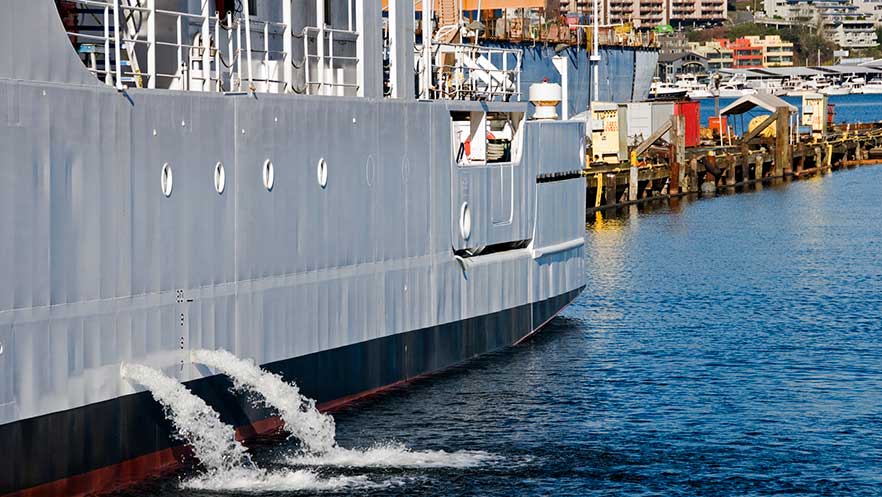
Investigators found that around January 29, 2017, while moored in Tacoma, ballast water was discharged from the vessel without the use of a Coast Guard approved ballast water management system or other approved means, a violation of the National Invasive Species Act with a maximum penalty for $38,175.
Vessels equipped with ballast water tanks that operate in the waters of the United States must employ an approved ballast water management method to prevent the unintentional introduction and spread of aquatic nuisance species.
“The Coast Guard is committed to the protection of the marine environment through strong and robust administration and oversight of ballast water management practices,” said Capt. Joe Raymond, commanding officer, Coast Guard Sector Puget Sound. “These efforts are in line with the recent approval of four different ballast water management systems. These types of enforcement actions help prevent future incidents and reflect the importance of protecting the sensitive waters of the Puget Sound.”
Initial violations were found by Port State Control examiners while they were aboard the 580-foot Liberian-flagged vessel to verify it met U.S. laws, U.S. regulations and applicable international conventions as per the PSC program. It is the responsibility of vessel masters, owners and operators to ensure the proper discharge of ballast water into any water within U.S. jurisdiction, or to ensure proper waivers or extensions are processed through the Coast Guard’s Office of Operating and Environmental Standards.
The Coast Guard regularly inspects foreign and domestic vessels for compliance with the National Invasive Species Act. Since 2010, the Coast Guard has performed approximately 55,000 vessel ballast water system and program inspections, with 2,267 of those inspections within the Puget Sound.