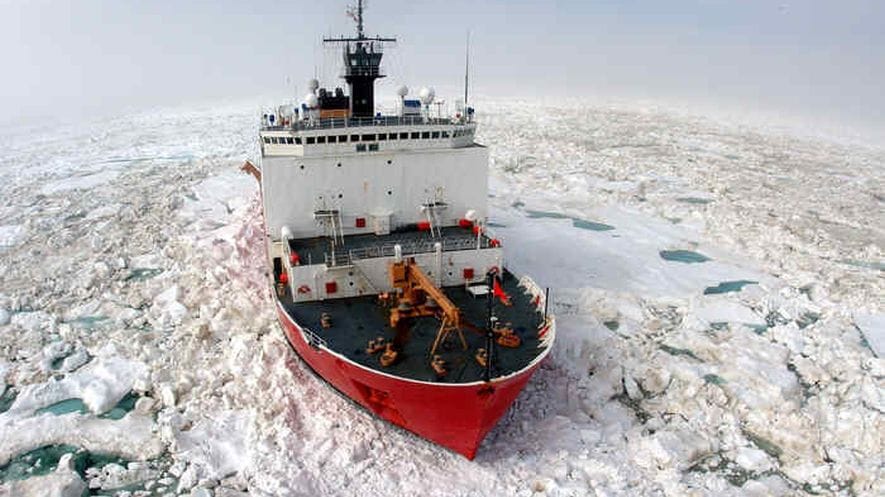
The USGS, the science agency of the Department of Interior, identified six broad goals to guide its work from now until 2020.
The agency plans to improve scientific information for Arctic communities and ecosystems affected by a rapidly changing climate; advance an integrated and more holistic understanding of changes across broad Arctic landscapes; assess energy resources and other minerals in the region, along with environmental implications of development; better understand how the changing Arctic climate is affecting environmental health, including distribution of mercury and spread of wildlife diseases; enhance scientific understanding of uniquely Arctic physical processes, like sea-ice and glacier dynamics; and improve all aspects of mapping throughout Alaska.