Dr. Paige Maroni and Professor Alan Jamieson, from The University of Western Australia’s School of Biological Sciences, were co-authors of the study published in Marine Biology.
“Our understanding of deep-sea biodiversity and biogeography is limited due to the logistical, technological, and financial constraints associated with exploring these extreme and remote habitats,” Dr. Paige said.
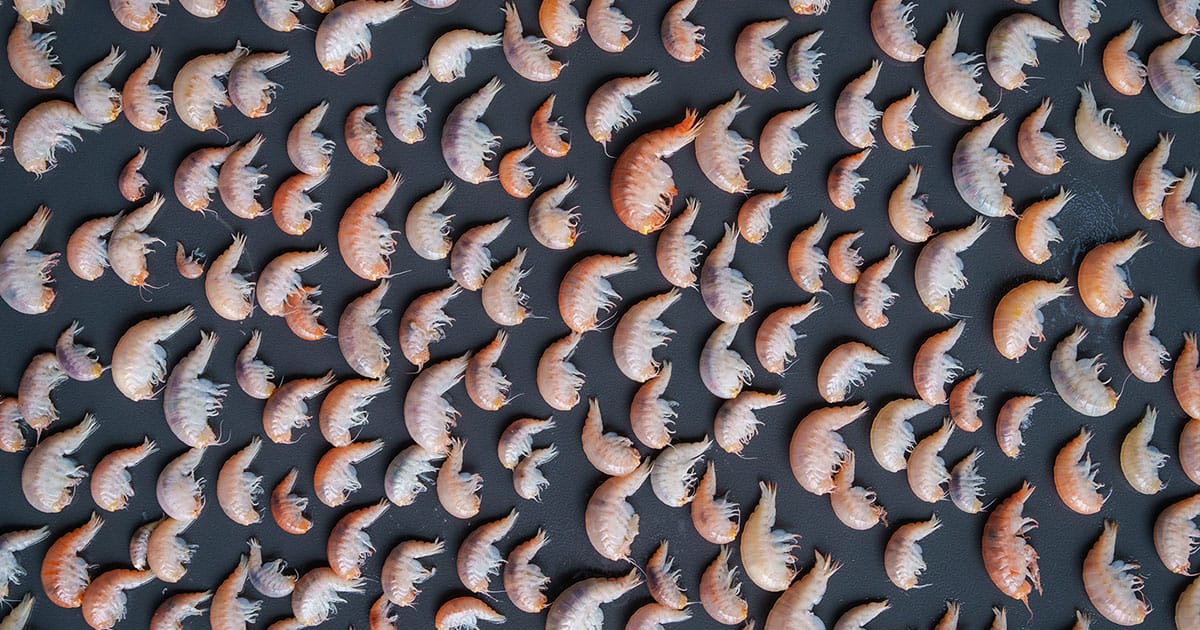
The study investigated the deep-sea amphipod species Hirondellea gigas and Hirondellea dubia, known for their vast geographic distributions and remarkable depth ranges.
Specimens were DNA sequenced and analyzed from 26 abyssal and hadal zones across the globe, from water depths of 2,500 meters to 10,929 meters.
“We found the known ranges of both species was larger than previously thought, and they had shared features across both hemispheres,” Dr. Paige said.
“Hirondellea gigas was predominantly known as a northern hemisphere species, but we now know it is also in the southern hemisphere and shares features with Hirondellea dubia.”
The study also confirmed the boundaries of several species that had not been formally described and named within the genus Hirondellea.
“These findings represent an important step forward in understanding the biodiversity and evolutionary processes shaping deep-sea ecosystems,” Dr. Maroni said.
“We have highlighted the complex population structures that exist within hadal zones and shown how difficult it is to make generalizations about closely related species living in these environments.
“It underscores the urgent need for continued research in this challenging but vitally important frontier.”