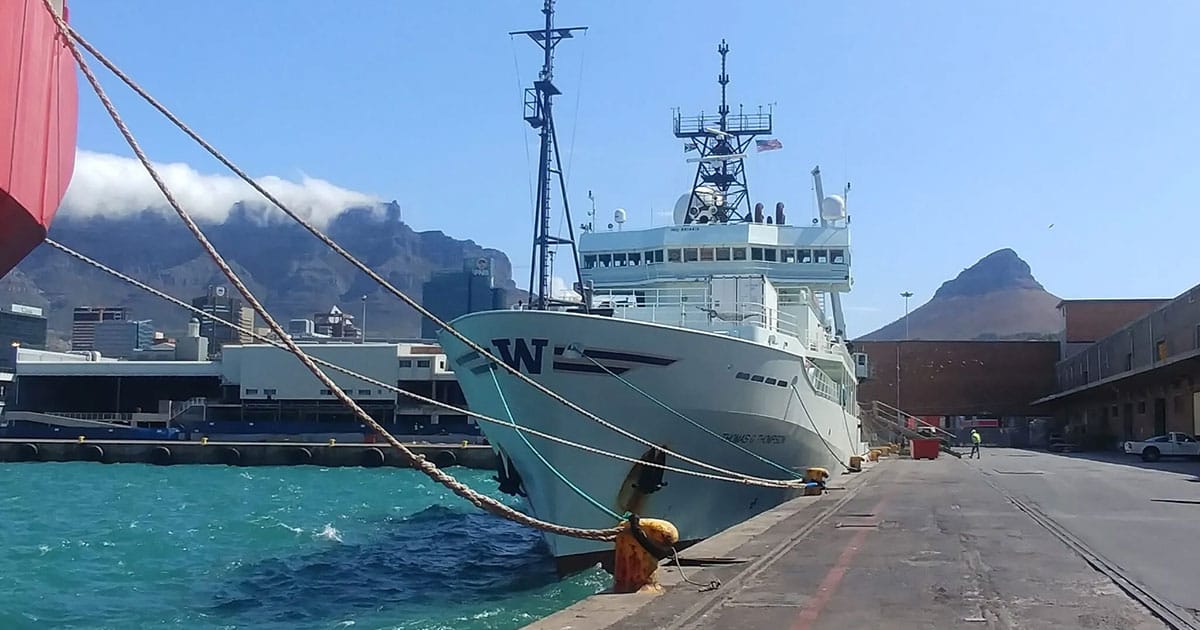
MBA Ph.D. researcher Daniela Sturm set out to examine coccolithophore communities in the Southern Indian Ocean as part of a research cruise from South Africa to Mauritius.
Using a combination of electron microscopy and molecular biology approaches, the research identified that coccolithophore communities in this region are richly diverse and strongly influenced by ocean fronts that lead to steep gradients in temperature, salinity and nutrients.
Importantly, the research indicated that standard molecular biology approaches to examine phytoplankton diversity do not detect the vast majority of coccolithophores, which means that these calcifying algae are likely to be massively underrepresented in global surveys of phytoplankton communities.
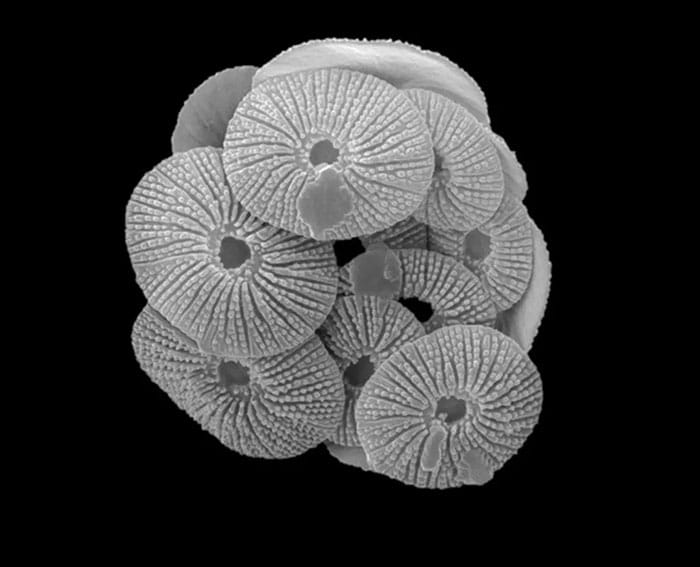
The research also shed light on the molecular identity of Umbellosphaera tenuis, the most abundant species in this region. U. tenuis has never been successfully grown in the laboratory, and its identity has remained mysterious. By correlating information from microscopy and molecular biology approaches, MBA researchers identified that this ecologically important species is closely related to Syracosphaera.
Coccolithophores are responsible for 90% of calcium carbonate production in the oceans and contribute to the vast calcium carbonate deposits that cover over half of the ocean’s floor. This new study has identified some of the environmental factors that shape these communities, but has also revealed that much remains to be learned about these remarkable phytoplankton that play such a vital role in shaping our planet.
The research is published in Limnology and Oceanography.