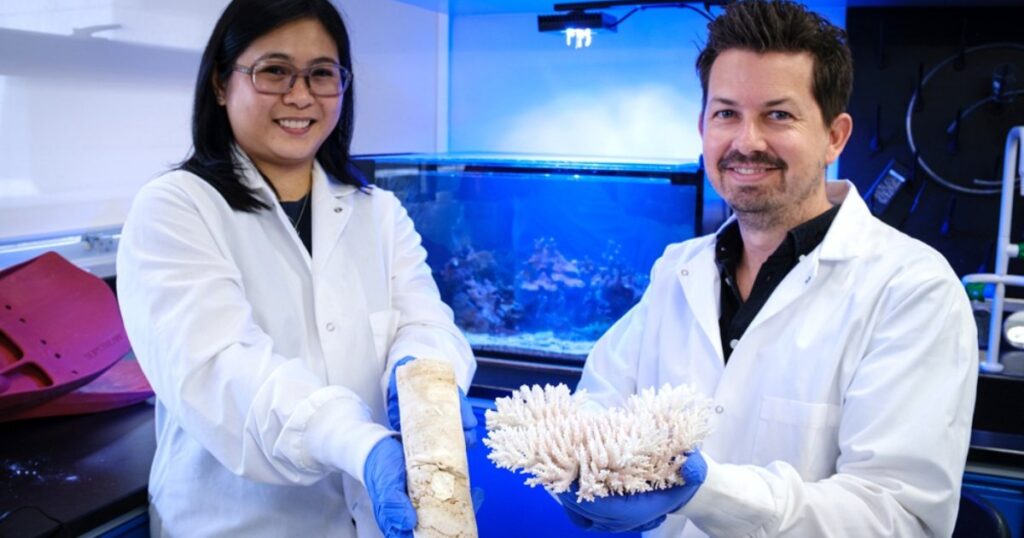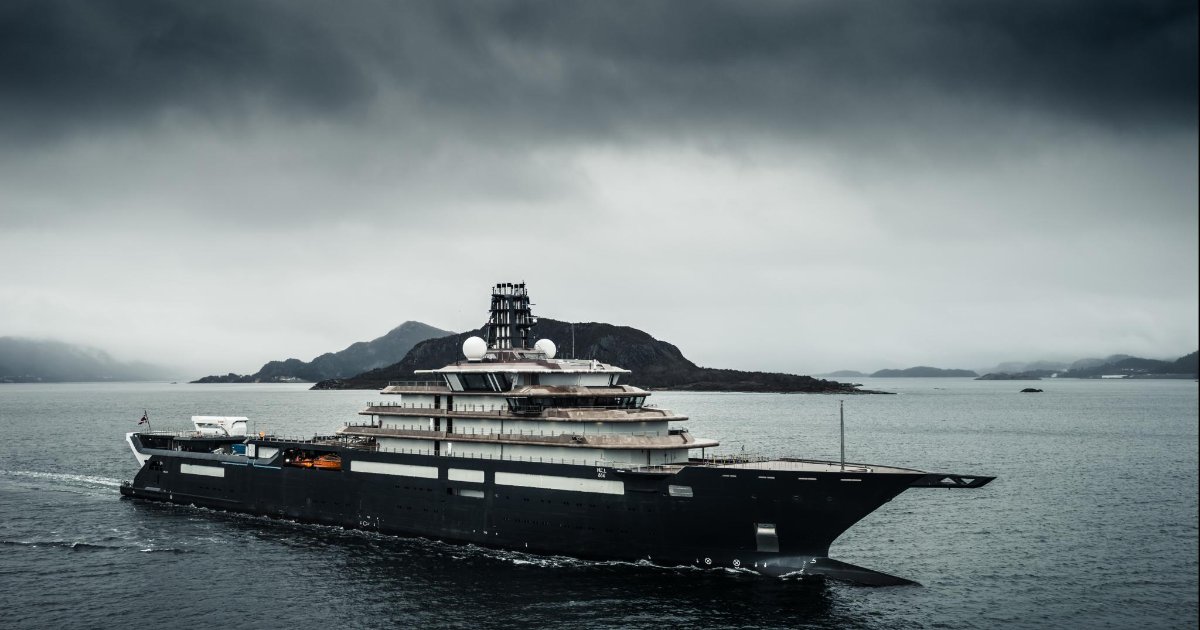
The marine ecologists Prof. Mar Fernández-Méndez from the Alfred Wegener Institute (AWI) and Prof. Linda Amaral Zettel from the Royal Netherlands Institute for Sea Research (NIOZ) will be co-leading a project investigating the Great Atlantic Sargassum Belt between Fortaleza (Brazil) and Port of Spain, Trinidad and Tobago.
“The brown seaweed pelagic Sargassum grows on the sea surface across the subtropical Atlantic and absorbs large quantities of carbon during its growth thanks to photosynthesis,” explained Mar Fernández. “When it sinks, it can sequester part of the carbon permanently and contribute to climate mitigation; however, no one has properly quantified the contribution of these wild mats of Sargassum to the global carbon cycle, and there are many unknowns regarding its fate in the deep sea.”
Sargassum has caught global attention since 2011 as large influxes have been reaching the coasts of the Caribbean and causing both environmental and socio-economic damage.
“Since then, several initiatives, including the AWI spin-off Macrocarbon, are trying to valorize this useful biomass and transform it into products that can substitute fossil fuels and mitigate climate change.”
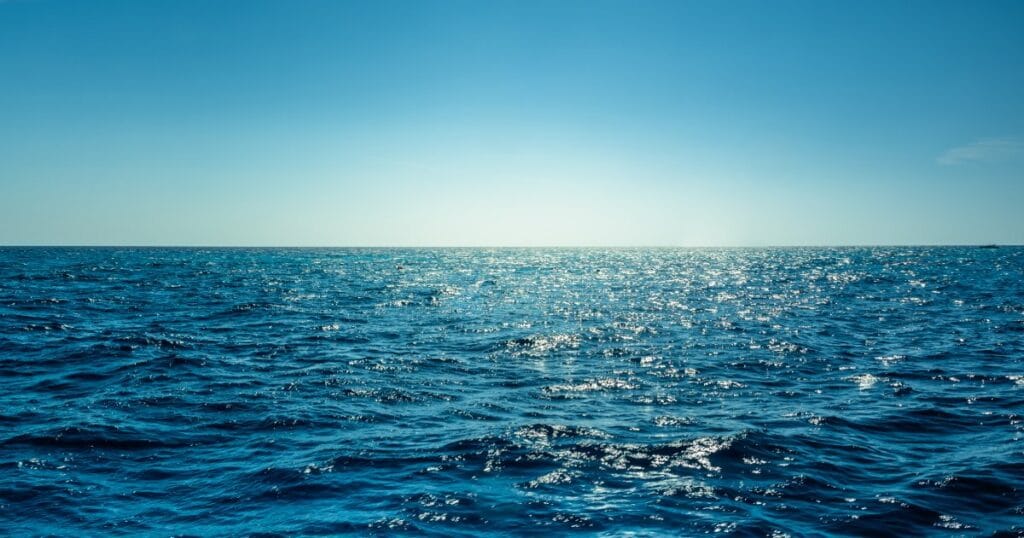
This expedition taking place in August 2027 will visit the Great Atlantic Sargassum Belt north of Brazil.
“With our project, we aim to investigate the Sargassum belt and gain insights into its associated biodiversity, its role in the carbon cycle from the surface to the seafloor, and the accumulation of microplastics,” explained Mar Fernández. “We are using the mission as a training opportunity for early-career ocean professionals from island nations affected by the Sargassum influxes.”
About the Maiden Voyage 2027–2028
“This program brings together leading regional ocean scientists working on questions that are directly relevant to how we understand and manage the ocean. Across ten missions, teams will investigate deep-ocean ecosystems, blue carbon habitats, and approaches to training early career scientists. The science is rigorous, the partnerships are built on long-term relationships, and the data we generate will have practical use well beyond the time we spend at sea,” explained Dr. Eva Ramirez-Llodra, Science Director at REV Ocean.
All data from the research program will be made available via the Ocean Data Platform (ODP) and other relevant platforms, ensuring that the results remain accessible even after each mission has concluded. The initiative was founded in Oslo, Norway, in 2017 and focuses on marine protected areas, plastic pollution, and marine education.