Muddy shelf sediments act as carbon sinks, storing carbon that would otherwise be in our atmosphere. Researchers investigated how commercial bottom trawling influences organic carbon stored within the upper 50 centimeters of the seabed, representing material accumulated over 160 years. They also found that more heavily trawled areas contain less organic carbon than sites that are less disturbed by trawling.
“This is a notable study, because while previous studies have largely focused on surface sediments within the upper 10 cm of seabed, our research looks at sediments deeper in the seabed, down to 50 cm, enabling us to assess the longer-term impacts of trawling more clearly,” said Dr. Hannah Muir, National Oceanography Centre. “By carrying out this research, we have been able to provide policy makers with the scientific information they need to make informed decisions about the seabed and to consider how fishing activities could be managed to limit disturbance in future.”
The results add to the growing evidence that intensive trawling may affect carbon stored in muddy marine sediments, which could have long-term implications for climate regulation.
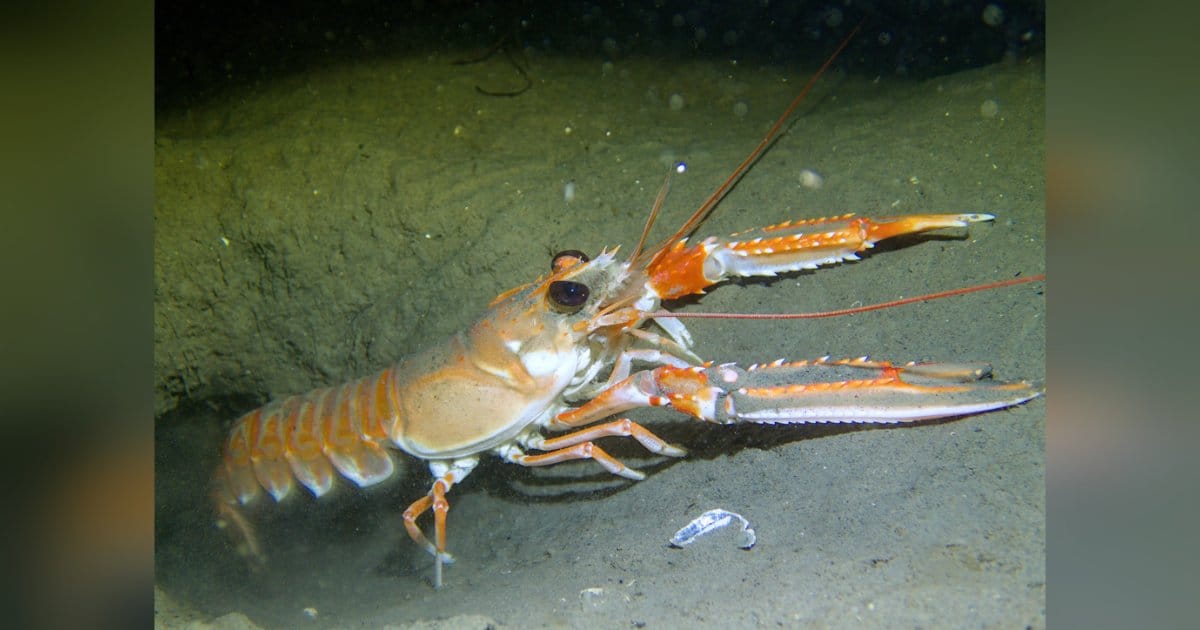
The region is among the most heavily trawled muddy shelf systems globally (Eigaard et al. 2017; Amoroso et al. 2018), having supported an active Nephrops norvegicus fishery.
Funding for the study was provided by the Isle of Man Government as part of the Manx Blue Carbon Project. The research was carried out in collaboration with Swansea University, University of Southampton, and Bangor University.
Read the paper: https://link.springer.com/article/10.1007/s13280-026-02439-2