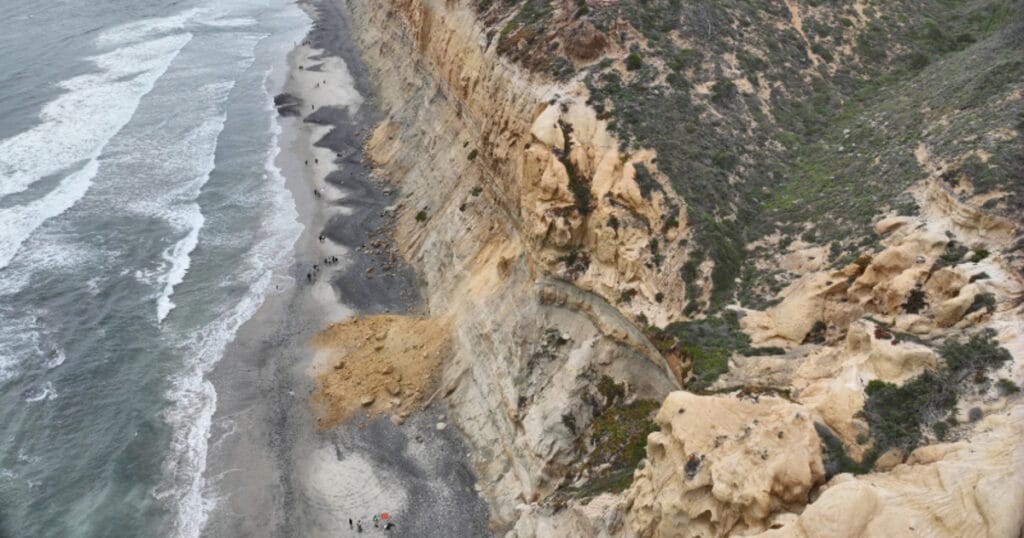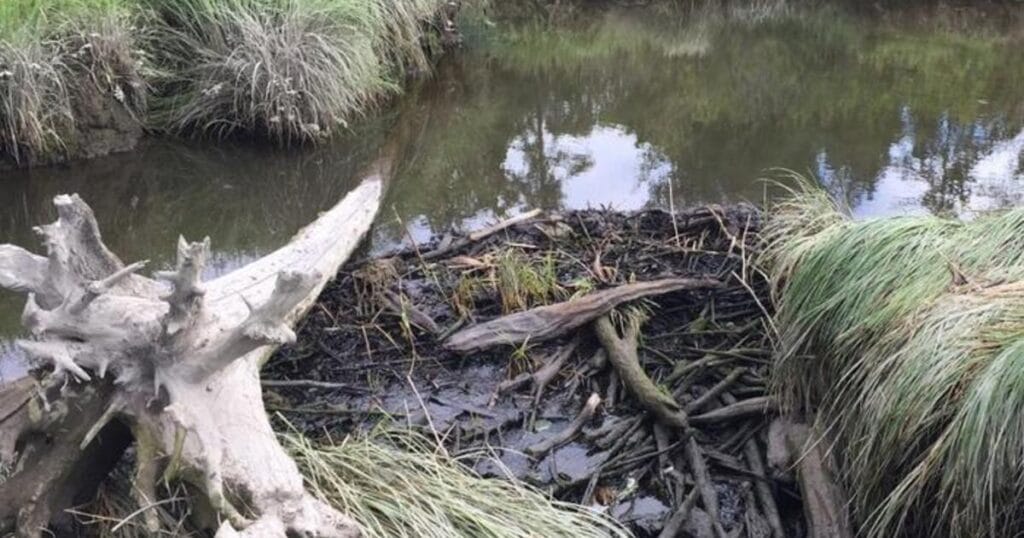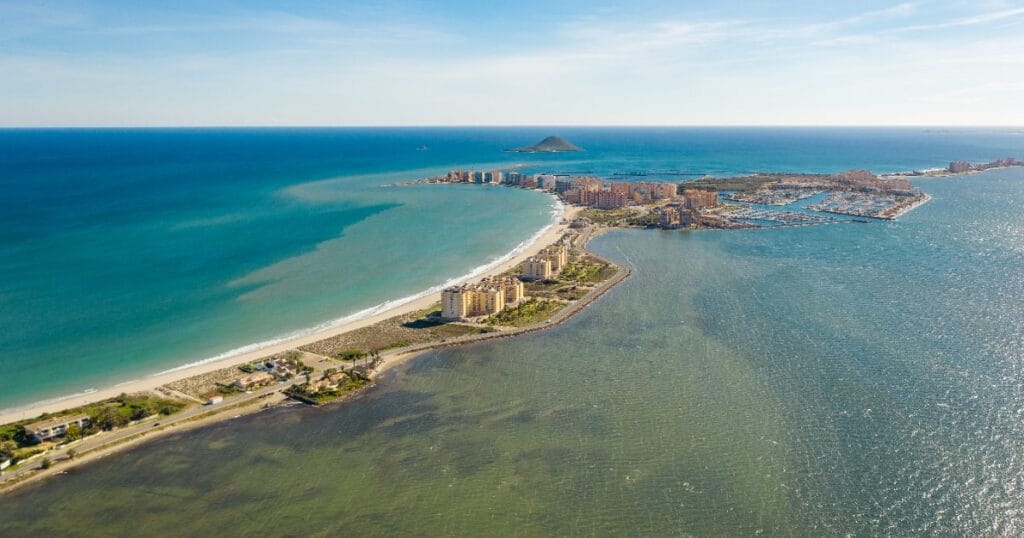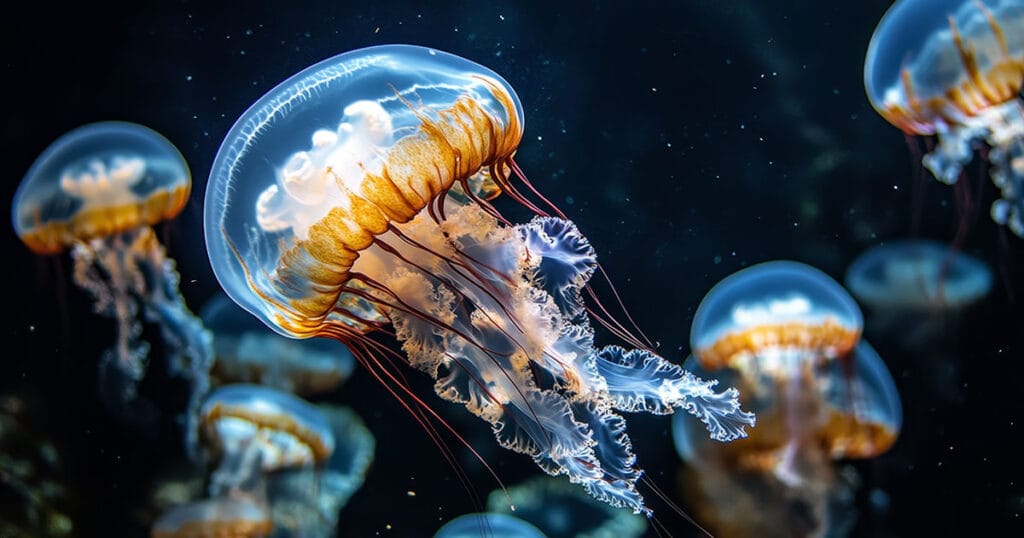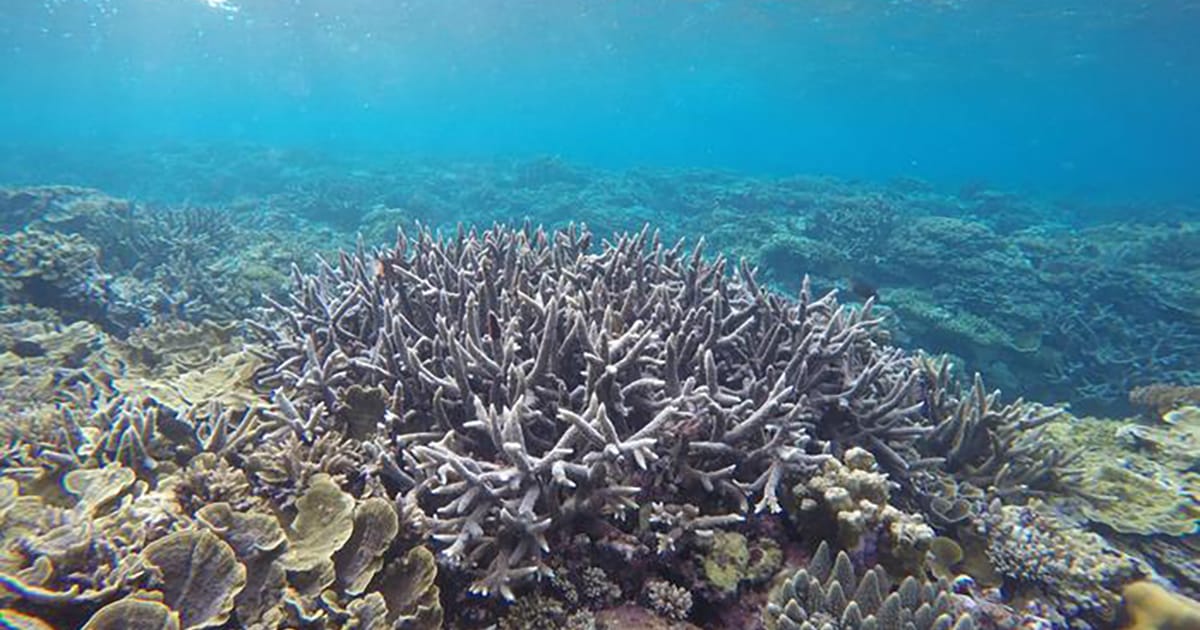
Laurence J. McCook and colleagues argue that the ecosystem goods and services provided to the nation by oceans and coastal ecosystems—including seagrass beds, salt marshes, coral reefs, and mangrove forests—are immense. These services include atmospheric regulation, carbon storage, and coastal protection, as well as cultural, recreational, and aesthetic values. However, these services have been degraded by habitat loss, pollution, climate change, and overfishing.
Although the value of nature goes far beyond its monetary value, recognizing even minimum monetary values can drive and finance much stronger protection. The Perspective reviews multiple approaches that could be used to assess marine natural capital in China and shows that developments in high-level policy are strongly supportive.
According to the authors, nationwide, province-based ocean accounting and policy frameworks would not only improve the environmental and economic sustainability of marine ecosystems but would also improve food security and help meet China’s international commitments, including the Convention on Biodiversity and the Sustainable Development Goals. In addition, the authors say, ocean accounting with supporting policy and governance frameworks would support China’s long-term eco-civilization goals and position China as a global leader in sustainable ocean management.