This spring through fall, DFO staff and fisheries officers, along with CBSA officers, conducted 804 watercraft inspections at the Emerson-Pembina international border crossing in southern Manitoba. Watercraft were inspected to ensure they were cleaned, drained, and dried (CDD). These steps are critical to preventing the spread of AIS between different bodies of water.
The results of this year’s inspections highlight the value of raising awareness and preventing AIS from spreading:
- 274 watercraft (34%) had not been cleaned, drained, or dried (CDD) and failed the inspection.
- 96 decontaminations (12%) were performed.
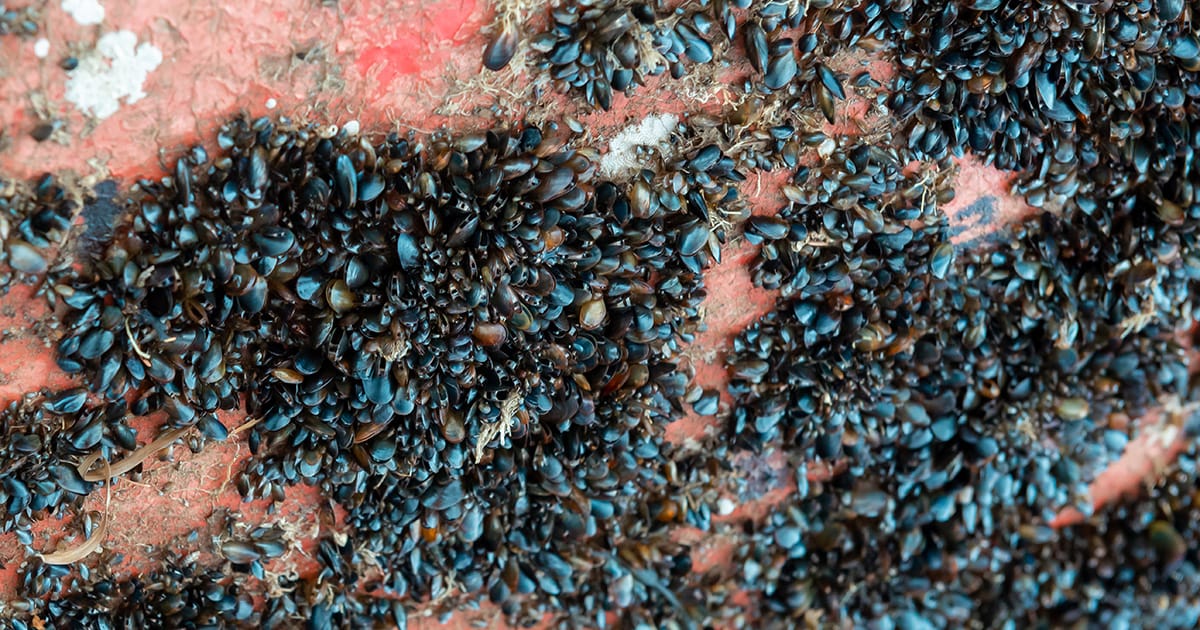
- 1 mussel-fouled watercraft (1.3%) were denied entry into Canada.
- 2 watercraft (0.2%) were denied entry due to being overly fouled by organisms other than mussels.
These findings underscore the importance of informing all watercraft users about how critical the clean-drain-dry process is to prevent the spread of AIS. Results from previous years show similar trends, emphasizing the need for continuous monitoring.
Looking ahead to 2025, DFO plans to continue the Emerson-Pembina watercraft inspections in collaboration with CBSA. This ongoing effort aims to ensure that watercraft are free of AIS, protecting Canada’s waters for future generations.
“Aquatic invasive species pose a significant threat to Canada’s ecosystems and economy. By working alongside partners like the Canada Border Services Agency to conduct thorough inspections, we are taking proactive steps to safeguard our waters and biodiversity. I would like to thank all those involved for their dedication to this vital initiative,” said the Honorable Diane Lebouthillier, Minister of Fisheries, Oceans, and the Canadian Coast Guard.