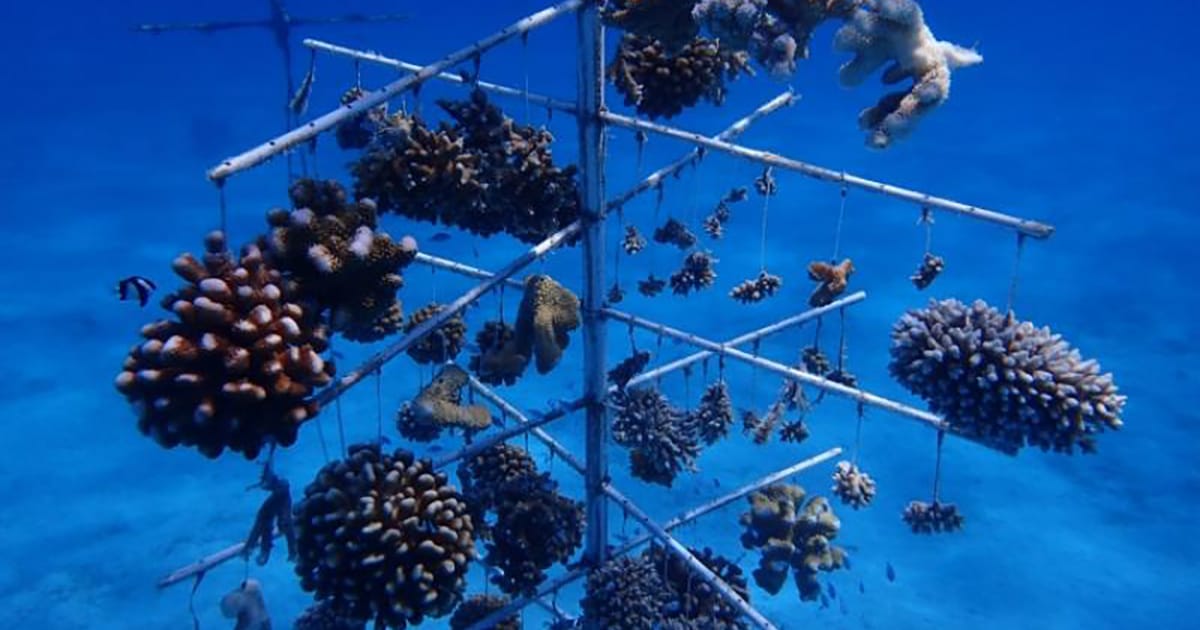
Globally, coral reefs are rapidly declining in health. We have learned much about how to scale up coral restoration efforts in the past several years. We must continue to develop innovative interventions to restore resilient, genetically diverse, and reproductively viable coral populations at a larger scale.
New Projects
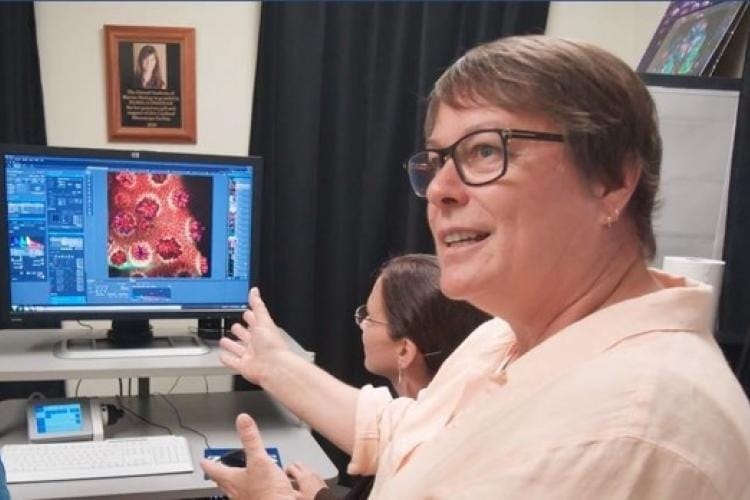
Arizona State University, working with the State of Hawaiʻi Division of Aquatic Resources, will assess the thermal tolerance of corals in West Hawaiʻi. They will evaluate the cost efficacy of this intervention and develop guidance incorporating it into coral restoration activities. They will integrate this work into the ʻĀkoʻaʻkoʻa vocational training program.
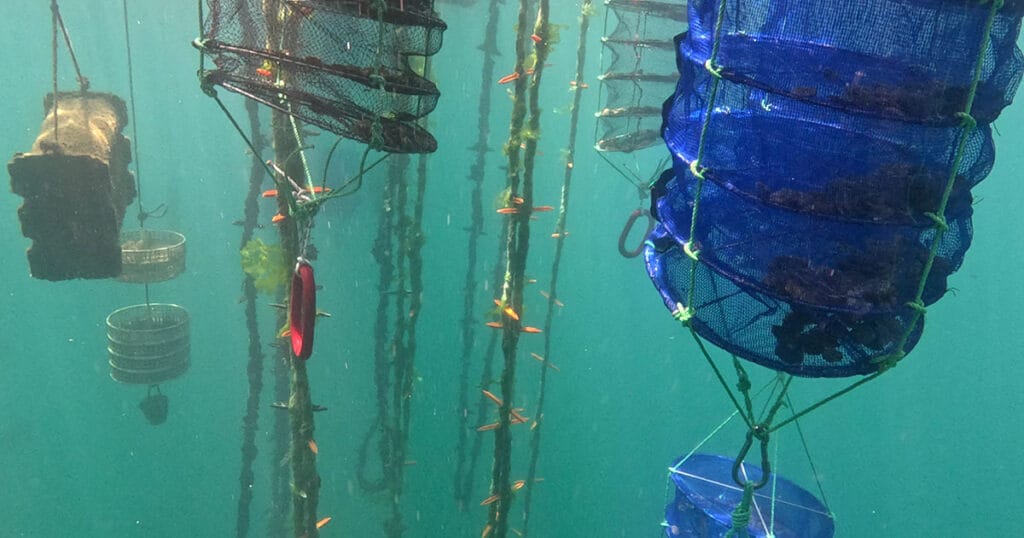
Maui Ocean Center Marine Institute, partnering with the Hawaiʻi Institute of Marine Biology Coral Resilience Lab, will outplant thermally tolerant corals at Olowalu Reef on Maui. They will assess ways to improve coral rearing in land-based nurseries. They will conduct hands-on community engagement events to increase understanding of and support for this work.
Georgia Institute of Technology will work with the University of Miami. They will conduct experiments to determine if the probiotic, Halobacteriovorax, can treat and prevent disease induced by the pathogen Vibrio coralliilyticus in staghorn coral. Halobacteriovorax is a genus of marine bacteria that prey on vibrios and other bacteria.
Continued Funding
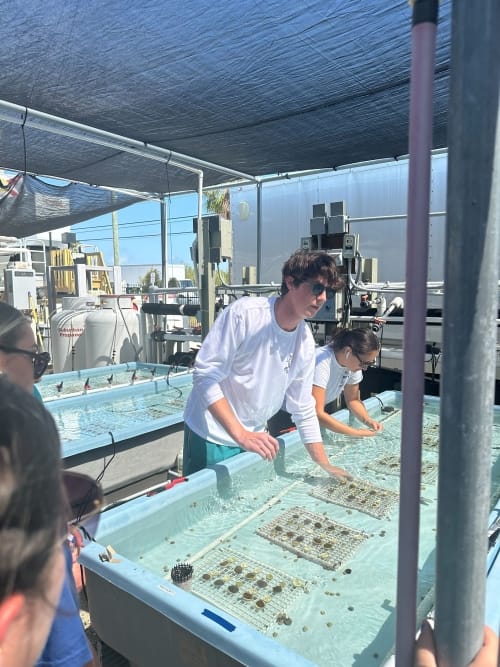
Nova Southeastern University will continue working with the Florida Aquarium, Mote Marine Laboratory, and the University of North Carolina, Wilmington. They will determine the optimal light in which to grow sensitive coral recruits. This work will support efforts to rapidly and effectively upscale the production of diverse corals for coral reef restoration.
Ruth D. Gates Coral Restoration Innovation Grants
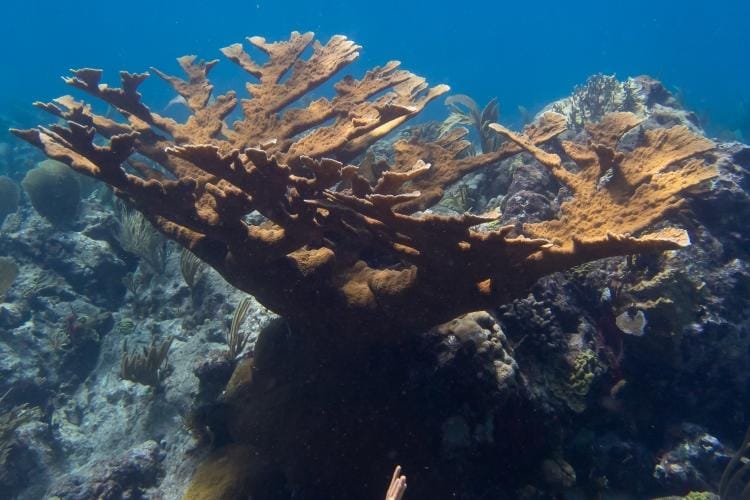
The Ruth D. Gates Coral Restoration Innovation competition is in direct response to the National Academies of Sciences, Engineering, and Medicine study on Interventions to Increase the Resilience of Coral Reefs. The NOAA Coral Reef Conservation Program funds these innovation grants, part of NOAA’s effort to restore resilient coral ecosystems while honoring the life and work of Dr. Ruth Gates. Learn more about the Ruth D. Gates Coral Restoration Innovation Grants.