The study was part of an international doctorate carried out by the main author, Dr. Xochitl Édua Elías Ilosvay, in the CIM-Future Oceans Lab research group of the University of Vigo under the supervision of researchers Elena Ojea, head of this research team at the Marine Research Center from UVigo, and Jorge García Molinos, from the University of Hokkaido, in Japan. It also had the collaboration of Naoki H. Kumagai from the National Institute of Environmental Studies of Japan, the participation of Japanese researcher Yuji Ise (Kuroshio Biological Research Foundation), and the support of local community members, Kameyuki Seike and Kazuki Seike during the studies field.
Personal Interviews with More Than One Hundred Shikoku Fishermen
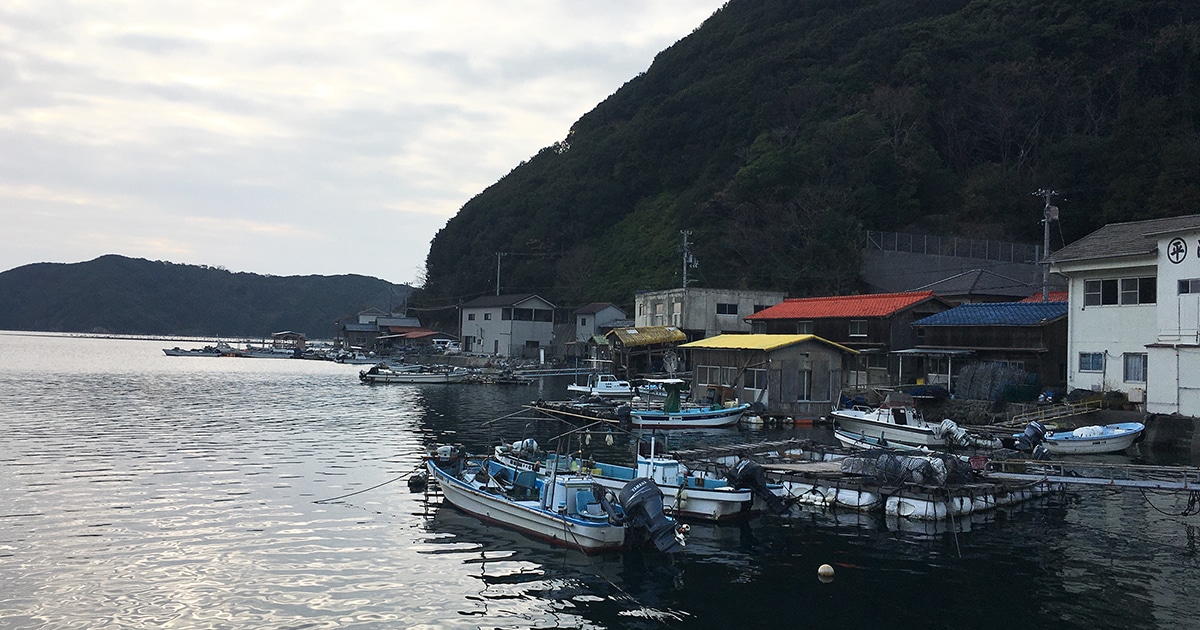
The researchers involved in this project interviewed in person more than a hundred fishermen from 25 fishing communities along the entire west coast of Shikoku, Japan’s fourth-largest island. These communities are located in three regions that vary in their exposure to tropicalization, from ecosystems completely dominated by tropical corals in the south through mixed ecosystems in the central region to the last remaining early kelp forests in the north. “These fishing communities offered a natural laboratory to understand to what extent the adaptation responses reflect the natural gradient of exposure to ecological changes,” explains Xochitl E. Elías, adding that the aim of the study was to evaluate whether the adaptation responses of the fishermen were more influenced by the intensity of ecological change (called “continuum of adaptation”) or by their socio-economic context.
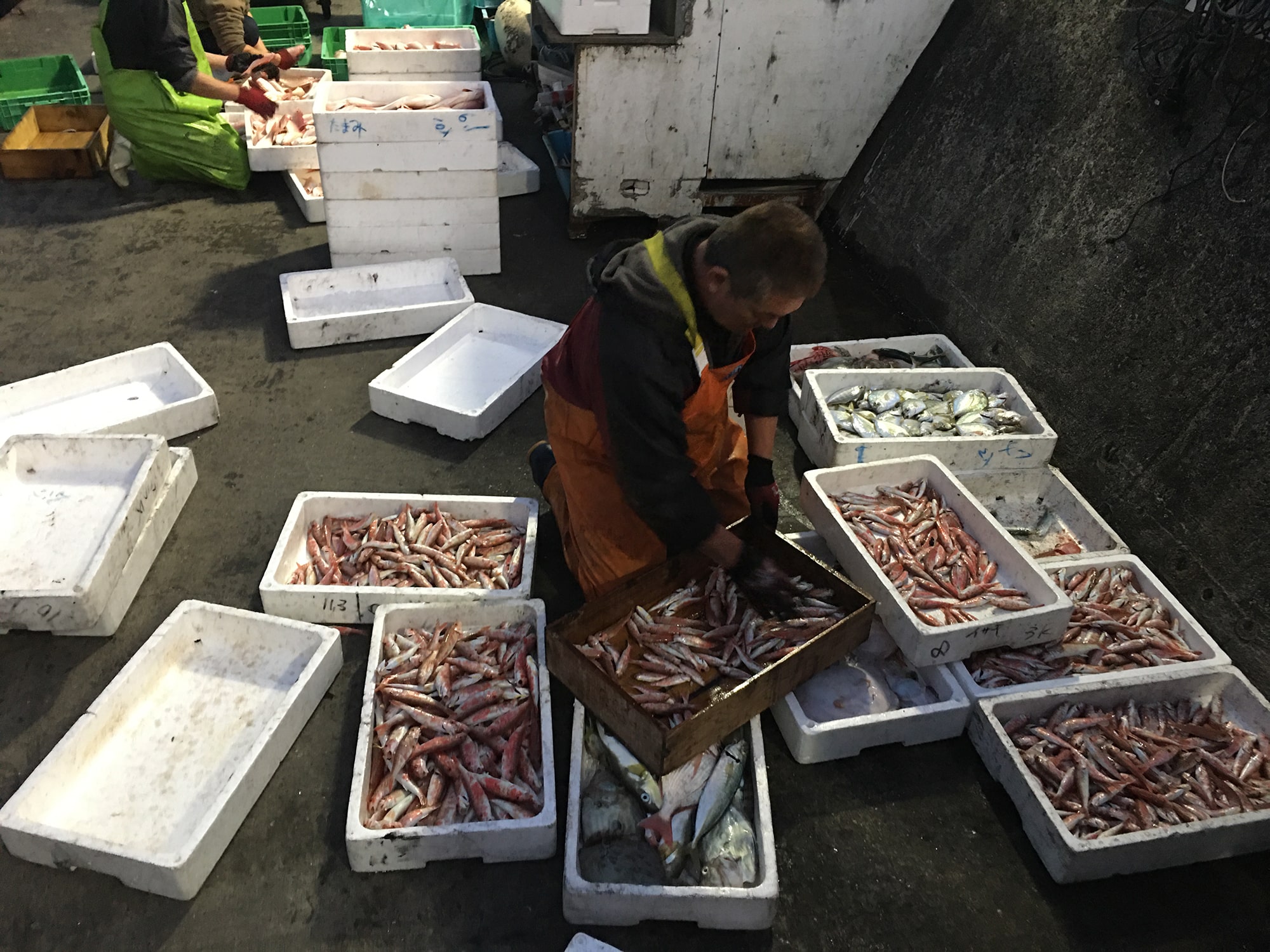
The results showed that while fishermen in the central region, where tropicalization is more dynamic, mostly adopted adaptation strategies (“such as reducing fishing expenses or looking for new species,” as the authors explain in the article), in two other regions, they dominated responses of no action. The prevalence of this inactivity in the southern region, where tropical changes have been present longer, contradicts the idea of a continuum of adaptation, which suggests that as impacts increase, fishers should move from adaptive strategies to deeper transformations when these strategies are not enough.
The authors attribute this result to the fact that transformative responses in the south, such as the abandonment of fishing, may have occurred earlier (only active fishers were interviewed), which is supported by the decline in the fishing population in the region. However, the level of exposure did not clearly influence fishermen’s willingness to implement transformative changes. That disposition was more related to their social and economic circumstances. In particular, households that depended primarily on fishing for income and food were more likely to adapt but less likely to transform, while fishers involved in coastal aquaculture showed more willingness to make deep changes than those engaged in extractive fishing. This finding highlights the need to simultaneously address climate change mitigation and social adaptation.
Importance of Anticipating and Implementing Adaptive Strategies
In a country where coastal fishing and aquaculture account for almost half of total fisheries production and contribute to a large extent to employment in the sector, these results underline the importance of integrating environmental, socio-economic, and cultural considerations into policies that seek to protect fishermen’s livelihoods against environmental changes. Globally, the study highlights the value of conducting research in critical climate change zones to provide insights that can help anticipate and implement adaptive and transformative strategies in other regions of the world that will inevitably face the impacts of climate change in the future.