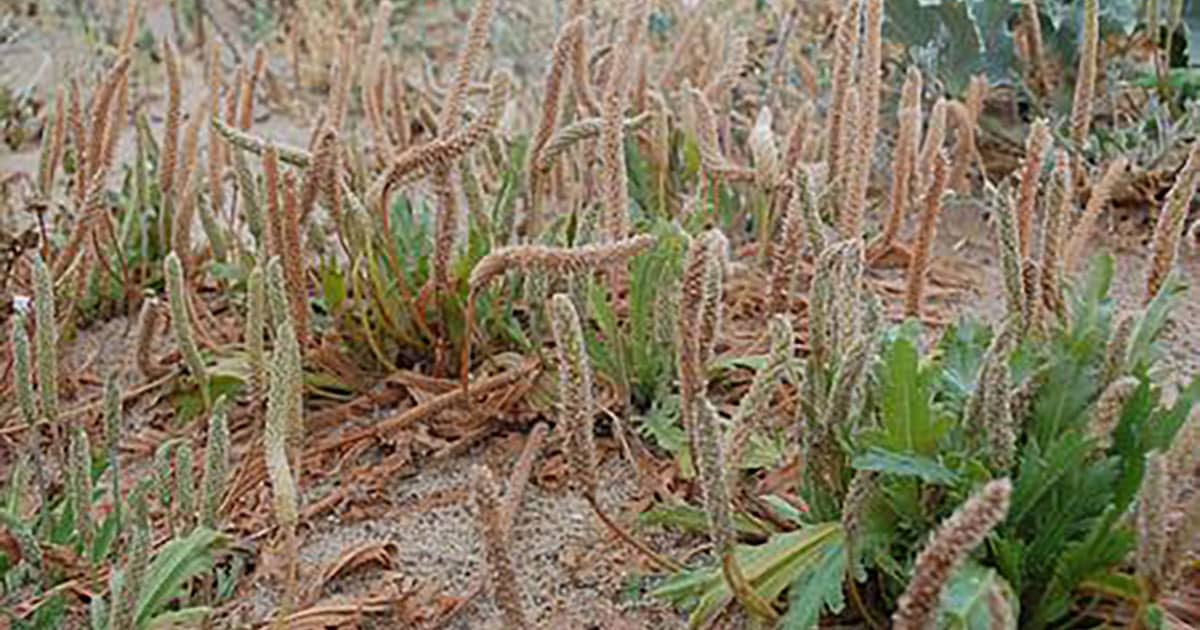
The research, published in the journal Environmental Pollution, is one of the first to examine the combined effects of seawater flooding and microplastic pollution on coastal plants.
It showed that both stressors had some effects on the species tested, with microplastics impacting the plants’ reproduction while flooding caused greater tissue death.
However, being exposed to both microplastics and flooding together—a threat likely to increase as a result of climate change and plastic use—had a more pronounced impact on their resource allocation.
This in turn led to the plants exhibiting altered growth and experiencing a short-term suppression in their photosynthetic efficiency, responses affect the plants’ ability to capture water, nutrients and sunlight, and contribute to ecosystem wellbeing.
The study was led by experts in plastic pollution and plant biology from the University of Plymouth’s School of Biological and Marine Sciences and the International Marine Litter Research Unit.
They say it signposts the potential for microplastics to present an elevated risk when in combination with additional stressors like seawater flooding and that; as a result, establishing the threats presented by multiple co-occurring stressors on ecosystem resilience is a priority.
“This research highlights the potential for microplastics, composed of conventional and biodegradable plastic, to detrimentally affect plant functioning. Moreso, it indicates that the effect of microplastics can be magnified by other environmental factors such as rising sea levels and coastal flooding. Studies such as this help us appreciate the potential harm posed by microplastics to a range of organisms and ecosystem resilience generally,” said Dr. Winnie Courtene-Jones, Post-Doctoral Research Fellow.