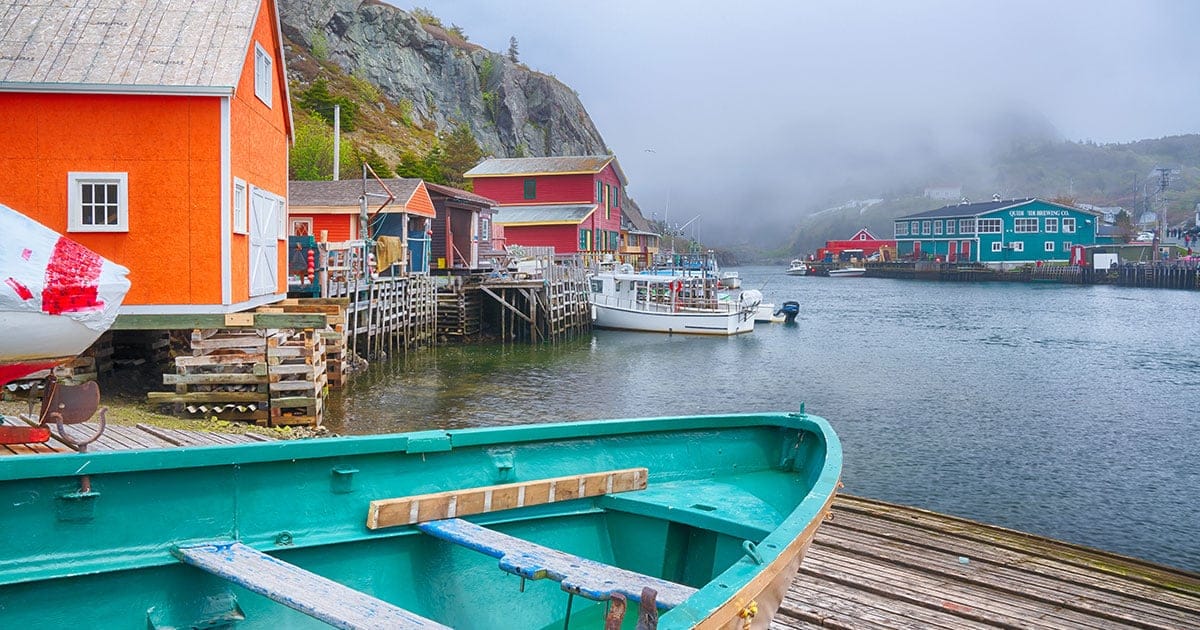
As part of the Government of Canada’s commitment to growing the economy to help everyone get ahead, the Honorable Diane Lebouthillier, Minister of Fisheries, Oceans and the Canadian Coast Guard, joined by the Honorable Dominic LeBlanc, Minister of Public Safety, Democratic Institutions and Intergovernmental Affairs, announced a $70-million investment over three years to continue important work at 18 small craft harbors in New Brunswick.
Ministers Lebouthillier and LeBlanc made the announcement at Cap-des-Caissie, one of the harbors receiving this funding. Over the next three years, this harbor will receive a new wharf, improvements to armor stone protection, basin dredging, and improvements to the containment cell, which holds sediment from dredging.
More than $23.5 million of this overall investment in New Brunswick will also be used to reconstruct and repair piers, breakwaters, and other critical harbor infrastructure at six harbors that sustained serious damage from Hurricane Fiona.
The fishing industry is central to many coastal communities across Canada, and harvesters need small craft harbors to be safe and reliable. With climate change causing more extreme weather events, it is critical to invest in infrastructure that is more resilient and, above all else, safe for harbor users.
These investments support local economic development for generations to come, providing functional harbors for Canadians working in the fisheries, aquaculture, construction, and marine engineering sectors.
“Fishing is not just a way to earn a living—it’s a way of life for families and communities all along our coastline. These improvements are vital to ensuring the long-term resiliency of our small craft harbors, particularly in the face of more frequent extreme weather events,” commented the Honorable Dominic LeBlanc, Minister of Public Safety, Democratic Institutions and Intergovernmental Affairs.
Quick Facts
- Small craft harbors provide critical support to the commercial fishing industry, which had landings valued at almost $4.7 billion in 2022.
- Small craft harbors support more than 45,000 jobs within the Canadian commercial fishing industry, as well as many thousands of additional jobs in supporting industries.
- DFO is responsible for keeping 949 harbors critical to the commercial fishing industry open and in good repair.
- Harbor restoration projects are undertaken in cooperation with the local harbor authorities, which are incorporated, not-for-profit organizations that manage and operate facilities for local users. There are more than 5,000 volunteers in harbor authorities across Canada.