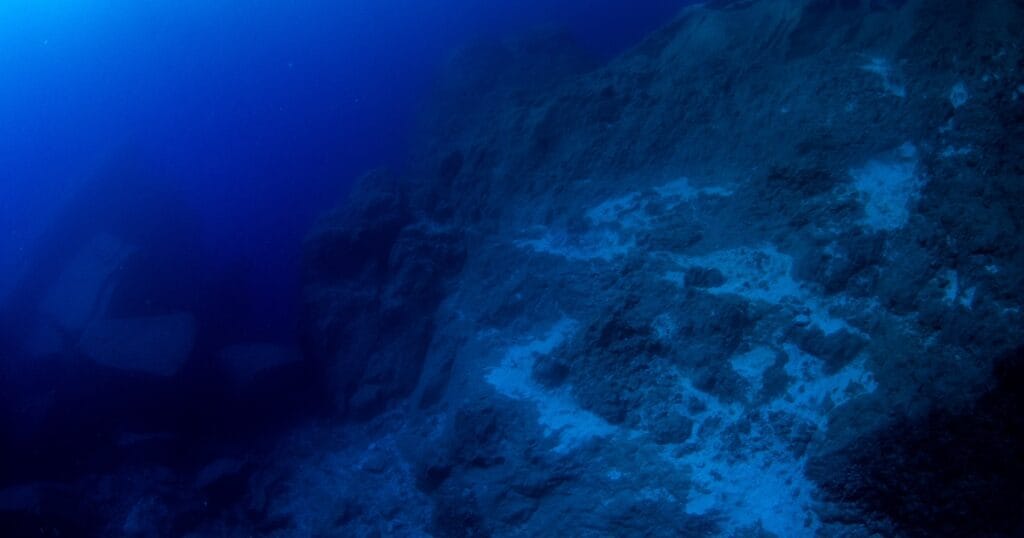
The archaeological site preserves the remains of an ancient Roman shipwreck, now largely buried beneath layers of sand. Only a limited number of amphorae and ceramic fragments are currently visible on the seabed, while many of the artifacts recovered over the years are now exhibited at the Roman Naval Museum of Albenga.
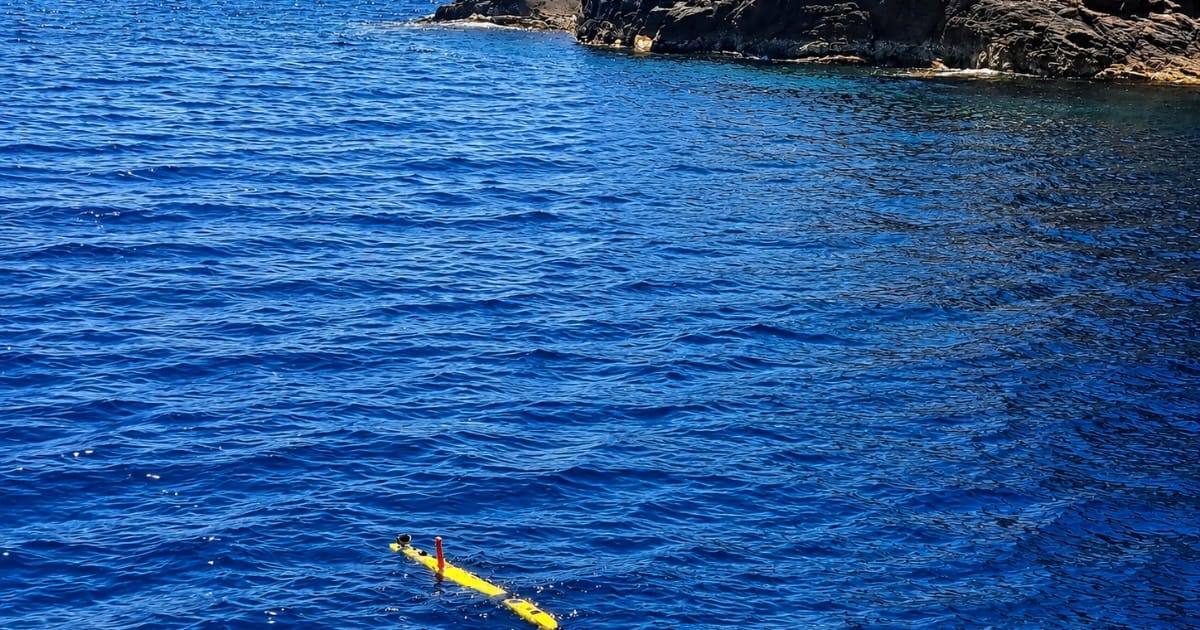
During the same operational campaign at Gallinara Island, EdgeLab also took the opportunity to inspect the Cristo Redentore underwater statue, carrying out an additional survey with the U_Tracker IV Autonomous Underwater Vehicle. Located in the bay of Punta Falconara at a depth of approximately 20 meters, the bronze statue was installed on September 29, 1998, and has become one of the island’s most iconic underwater landmarks.
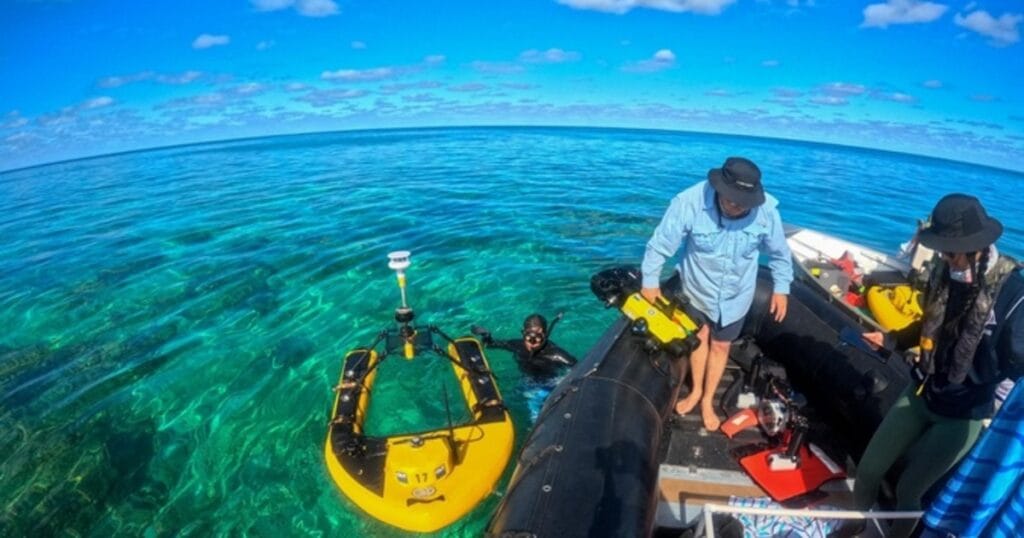
To support the documentation and monitoring of both sites, EdgeLab deployed its U_Tracker IV autonomous underwater vehicle (AUV), equipped with a high-definition optical camera and a Side-Scan Sonar (SSS) system. During the mission, the vehicle autonomously collected both optical and acoustic data, providing complementary information on the visible archaeological remains, the statue, and the surrounding seabed. The resulting dataset will support further study of the wreck and inform future conservation strategies for the site.
These operations highlight EdgeLab’s commitment to developing advanced autonomous technologies for underwater exploration, inspection, and documentation, supporting both scientific research and the preservation of underwater cultural heritage.