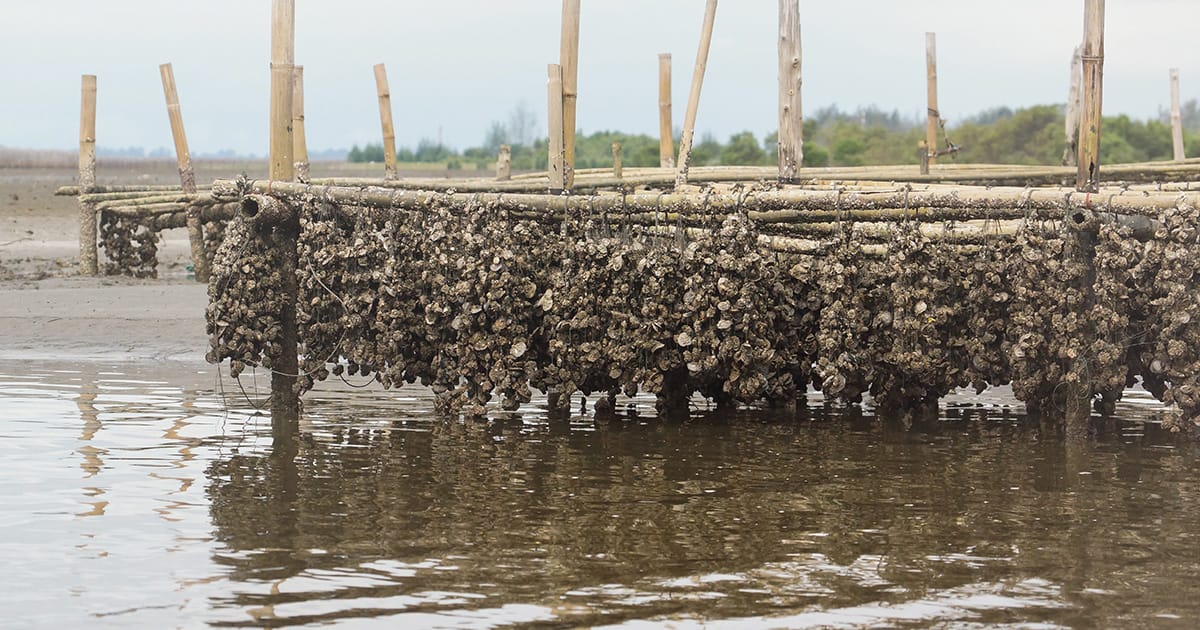
The release of two final programmatic environmental impact statements for the Gulf of America and Southern California identifies prime locations that may be suitable for developing multiple commercial aquaculture projects, fulfilling President Trump’s 2020 Executive Order “Promoting American Seafood Competitiveness and Economic Growth” and supporting the 2025 Executive Order “Restoring American Seafood Competitiveness”. These orders champion a robust, America-first seafood industry that puts US workers and consumers first.
Each year, Americans spend roughly $15 billion on seafood farmed and imported from foreign countries, where labor and environmental standards often fall short of America’s rigorous standards. By expanding domestic aquaculture to complement wild-harvest fisheries, NOAA is driving an America-first approach that creates jobs, supports coastal communities, and ensures high-quality, homegrown seafood for American families.
“The US leads the world in aquaculture science and technology, yet we rank 20th globally in marine aquaculture production,” said Eugenio Piñeiro Soler, Acting Assistant Secretary of Commerce for Oceans and Atmosphere and NOAA Fisheries assistant administrator. “By growing our domestic aquaculture industry, we will strengthen American health, create good-paying jobs, and drive sustainable, long-term economic growth for our nation.”
The final documents released are grounded in 19 scientific support products and incorporate robust public input, building on draft documents released last year. These efforts reflect NOAA’s commitment to transparency and American-driven decision-making.
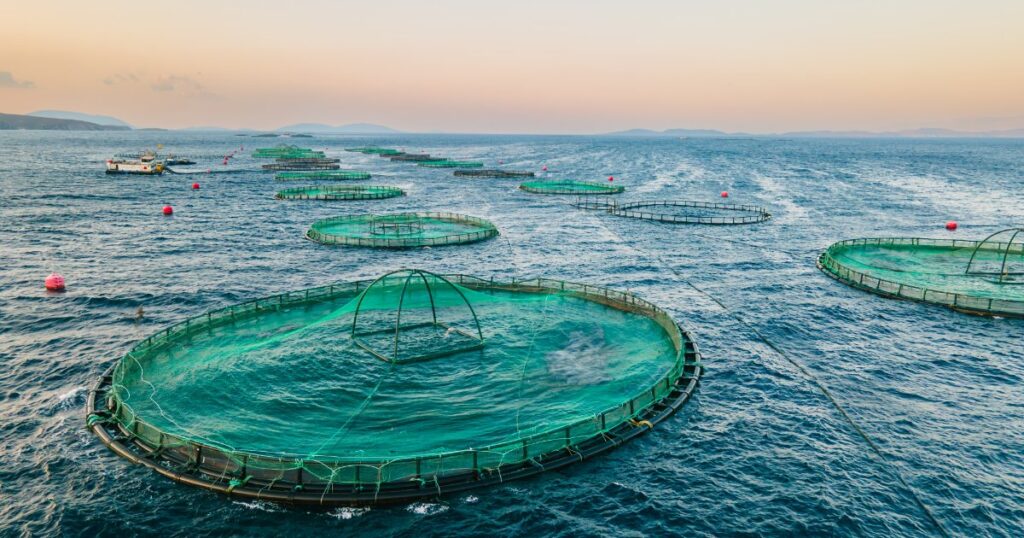
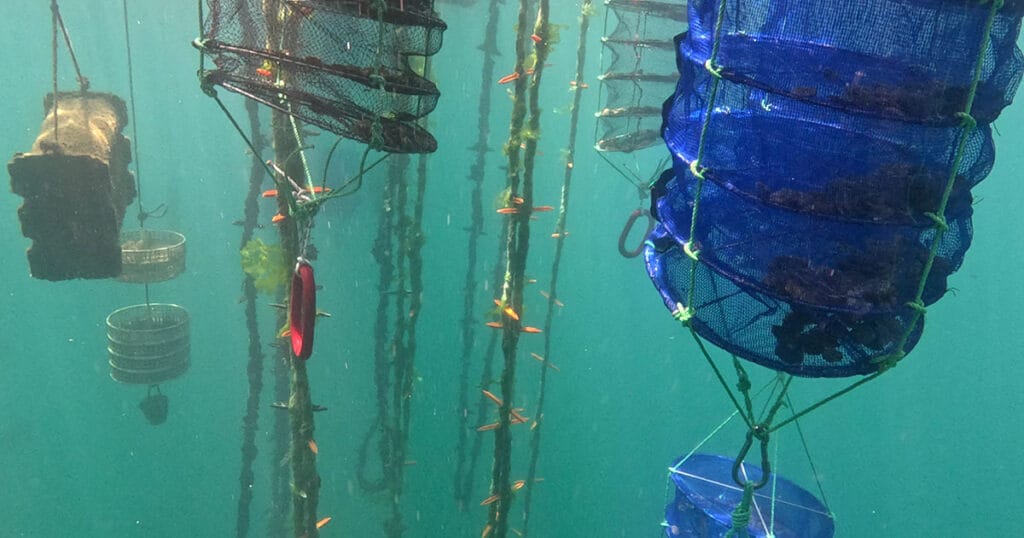
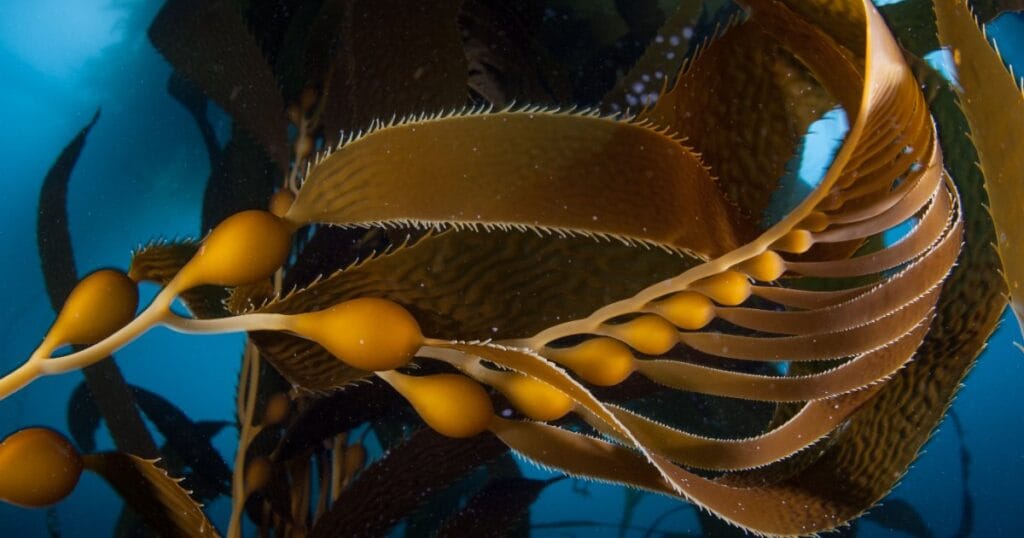
In Southern California, NOAA experts identified 10 prime locations for potential aquaculture development—eight in the Santa Barbara Channel and two in Santa Monica Bay—ranging from 500 to 2,000 acres, totaling 16,500 acres. NOAA found these areas may be suitable for seaweed, shellfish, and finfish aquaculture.
In the Gulf of America, three locations off the coast of Texas were identified, each ranging in size from 500 to 2,000 acres, totaling 4,500 acres. NOAA found these areas may be suitable for seaweed, shellfish, and finfish aquaculture. NOAA is also investing in baseline environmental surveys in the Gulf to provide valuable data to prospective farm applicants.
The Aquaculture Opportunity Areas will be finalized with two decision documents following this announcement. The selected areas are just the beginning of unlocking the vast potential for aquaculture in US waters, paving the way for more jobs, thriving coastal economies, and an increased abundance of high-quality American-raised seafood on Americans’ plates.