The Norwegian government’s answer is a model for regulation that is built to be flexible—a living framework that can respond to emerging science, evolving technologies, and, crucially, the lessons learned out at sea.
In 2025, conversations continued to evolve with extensive discussions in the Norwegian parliament revising how the nation’s seafood industry can best manage its aquaculture through biomass regulations, zones for farming, and increased emphasis on animal welfare.
Globally, this demand for increased sustainable practice is growing in consumer markets and driving purchasing decisions. Norwegian Seafood Council (NSC) research looking at purchasing behavior in 11 global markets finds consumers are largely willing to pay more for sustainable fish and seafood despite financial constraints—notably in markets like:
- China (78%)
- Thailand (71%)
- the UK (56%)
- Brazil (53%)
In Pursuit of More Efficient and Sustainable Aquaculture
With continuous momentum and forward-planning innate to Norway’s methodology, there is a clear drive to reassess the status quo and leverage scientific advice and cutting-edge technology in pursuit of more efficient and sustainable aquaculture.
The same aptitude for evolution throughout the industry can be found in the private sector. Across AI integration, autonomous robotics, and even new perspectives on feed production, Norway is home to a vast number of aquaculture and fisheries-tech startups helping reflect this commitment through a drive for meaningful change.
In an exciting space of new horizons, we’re spotlighting some of the startups currently causing the biggest ripples in the ever-changing sea of aquaculture.
Integrating Seaweed for a Greener Model
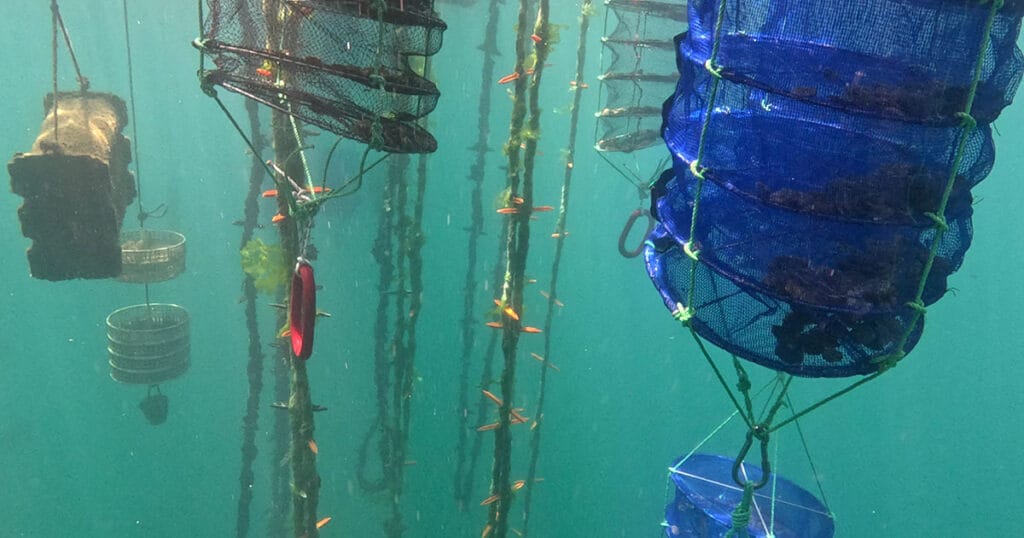
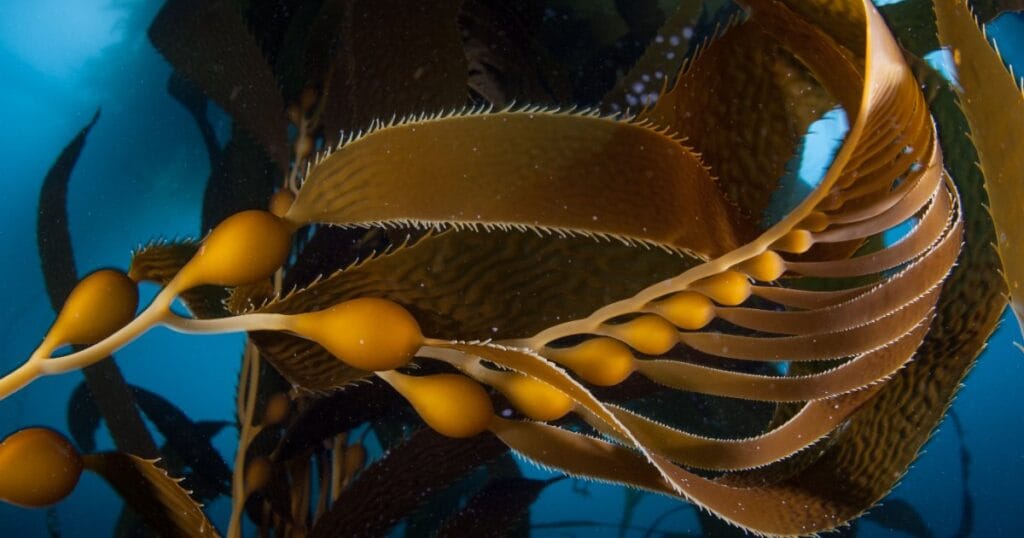
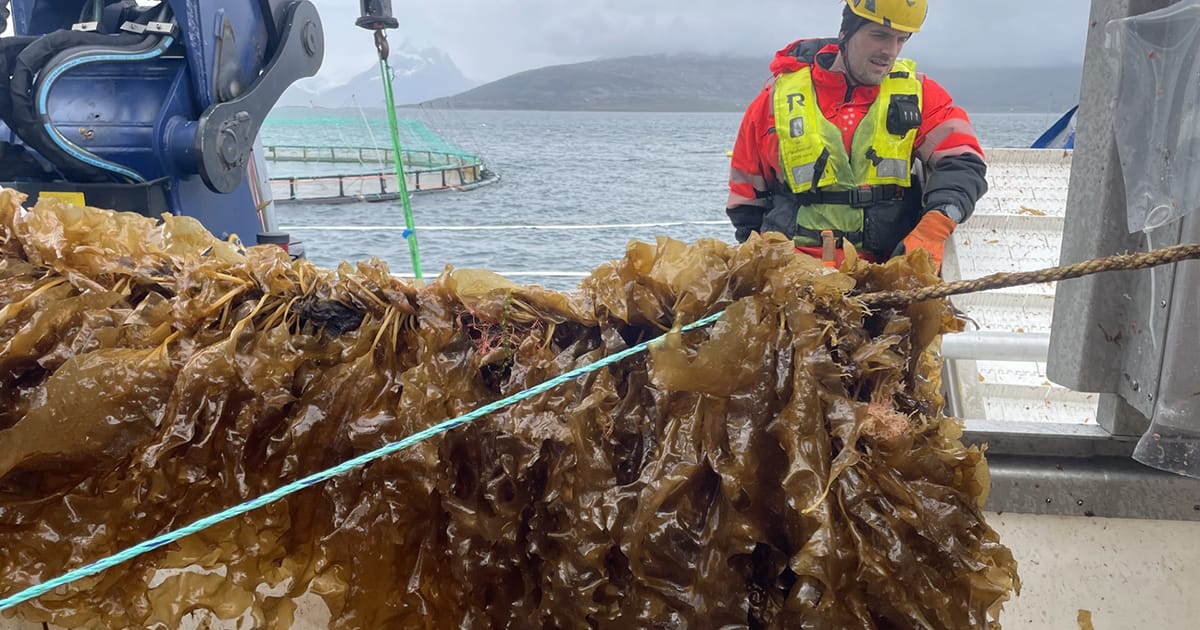
Located on the rugged coastline of Steigen, Nordland, Folla Alger is an aquaculture firm charting a new course for the way we see fish farming, and the feed it requires to function. With a vision grounded in integrated multi-trophic aquaculture (IMTA), Folla Alger blends the farming of salmon and seaweed into a circular system—where seaweed absorbs excess nutrients from salmon production, creating a mutually beneficial dynamic for both the environment and the industry.
“For us, IMTA is the future,” explained general manager Torben Marstrand. “It’s an incredibly efficient use of space and an effective way to make salmon farming more sustainable. Norway alone has around 1,800 salmon farms—that’s a huge potential for developing new IMTA sites.”
Not only would the IMTA model present advancements in efficiency, but it would also be an industry-wide step forward in sustainability. Folla Alger reports that 1 km2 of kelp farming can remove the CO2 emissions from 3,000 diesel cars every year.
Feeds Designed to Nourish and Enhance Fish Health
Yet, Folla Alger’s ambitions go beyond just its own footprint, with significant work being driven to develop new market-ready products that can enter the rapidly growing Norwegian kelp industry. ‘Functional fish feeds’ represent an exciting avenue for such innovation—feeds designed not only to nourish but also to enhance fish health by boosting immunity, improving disease resistance, and supporting appetite.
This work is supported by dedicated R&D channels, as Marstrand explained: “We have a very strong R&D focus, working closely with leading institutes on our farms, including Sintef Ocean, Norwegian University of Science and Technology, and Nord University. We hope that, through our R&D activities, we can develop a new green seaweed industry in Norway—based on the IMTA model. We hope that, through our R&D activities, we can develop a new green seaweed industry in Norway—based on the IMTA model.
“We have already seen promising small-scale trials, and we are continuing ongoing work for a large-scale trial in seawater in our IMTA farm next year. We hope this will bring us closer to a new seaweed-based ingredient for salmon feed, which could seriously drive the aquaculture space forward.”
Remora Robotics
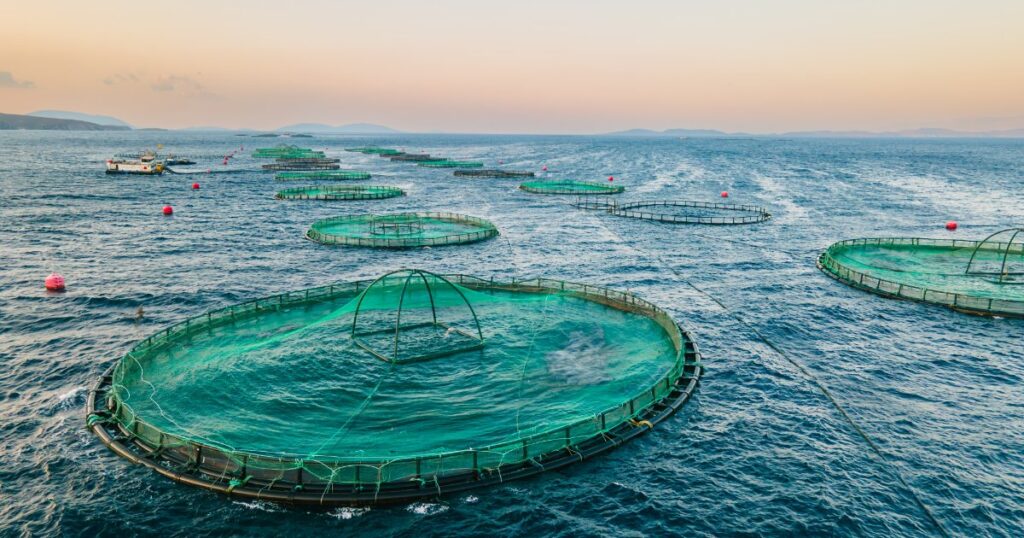
When considering innovation within any industry, automation is always a key consideration. In the case of Norwegian aquaculture, most of the nearly 1,000 farm sites utilize net pens to house their fish. This means a huge number of nets require regular cleaning and maintenance. Stavanger-based aquatech firm Remora Robotics puts forward its solution—autonomous robots.
“We’ve developed the first fully autonomous cleaning and inspection robot for the aquaculture industry,” Chief Executive Svein Erik Gregersen explained. “Our system works continuously in the water, meaning we can maintain clean nets and inspect for damage without the need for large service vessels or high-pressure cleaning. That’s better for the fish, better for the farmer, and better for the environment.”
Improving Biosecurity and Reducing Stress
Rather than relying on traditional, high-intensity cleaning methods—which can cause stress to the fish, disrupt the aquatic environment, and increase disease risk—Remora’s solution offers a gentler, preventative approach.
“Poor fish welfare and limited data-driven decisions are two of the industry’s biggest challenges,” Gregersen said. “By keeping nets clean continuously and providing real-time insights through our Remora Insight software, we improve biosecurity, reduce stress, and give farmers the information they need to make smarter operational choices.”
Saving the Industry from 1,000 High-Pressure Cleanings
Since its first large-scale commercial rollout in 2023, the impact has been clear. “We’ve already saved the industry from around 1,000 high-pressure cleanings,” Gregersen noted. “That’s thousands of fish that have experienced less stress, a reduced risk of disease, and a healthier, more stable aquatic environment.”
The system’s AI-powered inspection has also flagged net damage early, preventing several incidents that could have led to fish escaping.
Norway’s aquatech ecosystem has played a big role in the company’s rapid progress. “The Norwegian aquaculture industry is highly innovative and increasingly open to adopting new technologies,” Gregersen said. “This mindset has helped us get operational experience early, build a track record, and refine our product in real-world conditions with some of the largest fish-farming companies in the country.”
Blue Lice – Tech-Driven Early Intervention with Striking Results
Elsewhere in Nærbø, Blue Lice is striving to tackle the seemingly perennial problem of sea lice. Founded in 2017, Blue Lice has pioneered a fully preventive technology that captures sea lice before they reach the fish. Its system, installed on existing mooring networks, uses a combination of light attraction and water flow to lure planktonic-stage lice into traps, significantly reducing lice pressure in the water column. significantly reducing lice pressure in the water column.
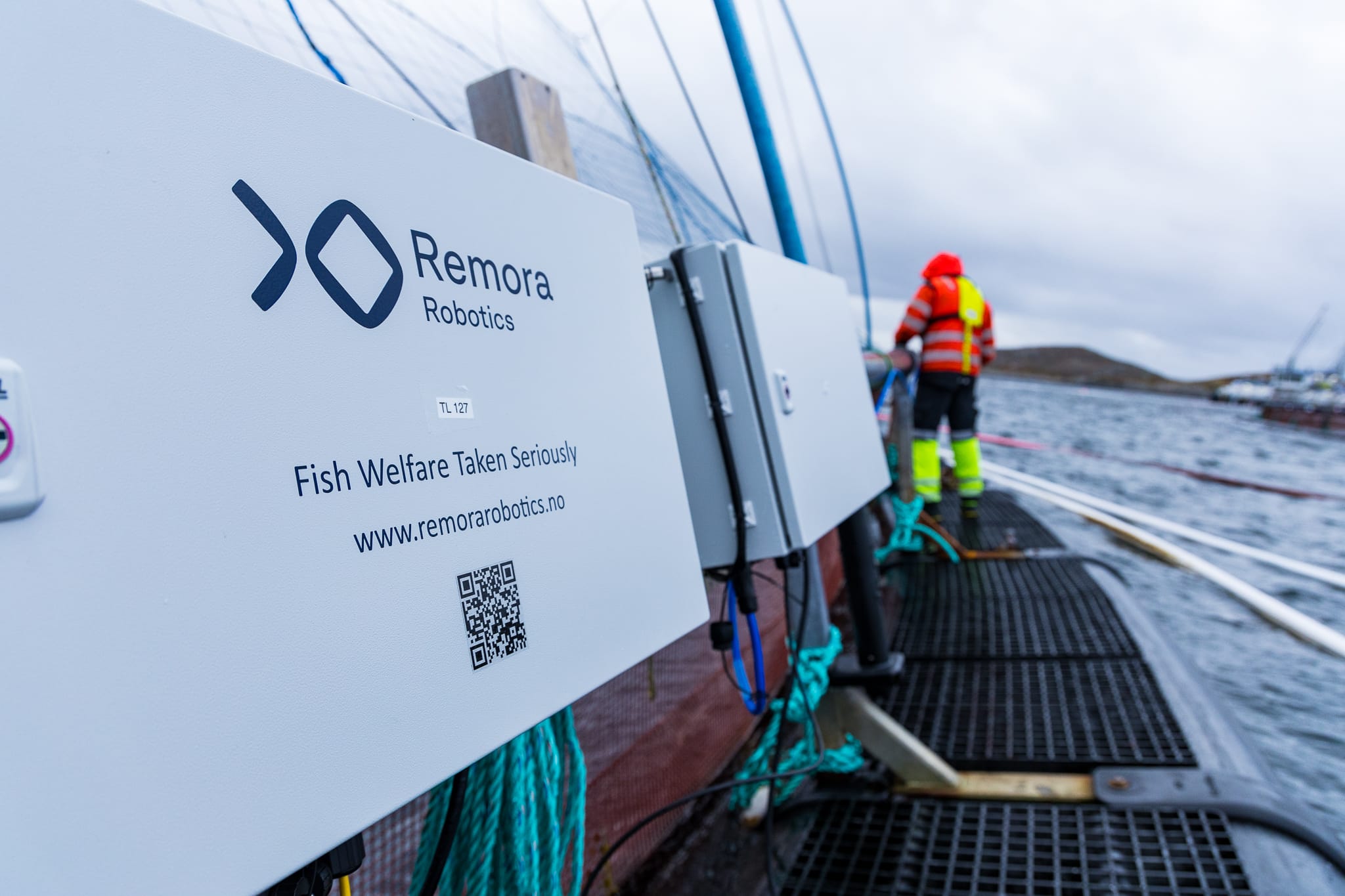
Chief executive Karoline Sjødal Olsen explained: “Unlike traditional methods that treat the lice when they’re already on the fish, our technology intercepts them early. This results in fewer interventions, less stress on the fish, and a healthier production cycle overall.”
Across eight full production cycles, the results have been striking. “On average, our customers see an additional 22 weeks before needing their first treatment,” Olsen said. “At one site, this allowed the fish to grow nearly one kilo bigger than expected before harvest. That’s a clear biological and commercial win.”
80,000 Lice Per Day
With the system capturing up to 80,000 lice per day, Blue Lice estimates a reduction of more than 74 million lice larvae in just one week—benefiting not only its clients but neighboring farms too.
In order to scale Blue Lice’s work to larger horizons, a broader shift of mindset is required by the industry. Olsen explained: “We want to move away from reactive treatments and towards systems that help fish farmers control and prevent infestations before they even begin. Early intervention and surveillance are the next wave in animal welfare in aquaculture.”
Driving Forward Innovation Through Industry Collaboration
Together, Blue Lice, Folla Alger, and Remora Robotics showcase the breadth of innovation driving Norway’s aquatech sector. Each company’s work reflects the industry’s shared focus on fish welfare, environmental stewardship, and data-driven precision, underscoring why Norway remains a global leader in sustainable aquaculture.
Norwegian Seafood Council communications director Martin Skaug says: “Innovation has, and will continue to be, an innate part of Norway’s attitude to aquaculture, and the technology that allows it to explore exciting new horizons. The incredible work of companies like Folla Alger, Blue Lice, and Remora Robotics represents just a small part of a huge community of forward-thinkers and rigorous problem solvers. Every tech-enthusiast should dive into the world of aquaculture to explore what has been achieved lately.
The way researchers, technology developers, and the industry work together to test and implement solutions that improve fish welfare, reduce environmental impact, and boost efficiency is both admirable and inspiring.
Skaug added: “For over 30 years, the Norwegian Seafood Council (NSC) has worked hand in hand with the Norwegian fisheries and aquaculture industries, helping develop markets in all corners of the world for Norwegian seafood through local market intelligence and reputational risk management. Through significant investments in marketing, allocating around NOK 400 million in 2025 alone, NSC is proud to promote the nation’s seafood products and is proud to showcase the cutting-edge technology and resources that go into achieving its premium status.”