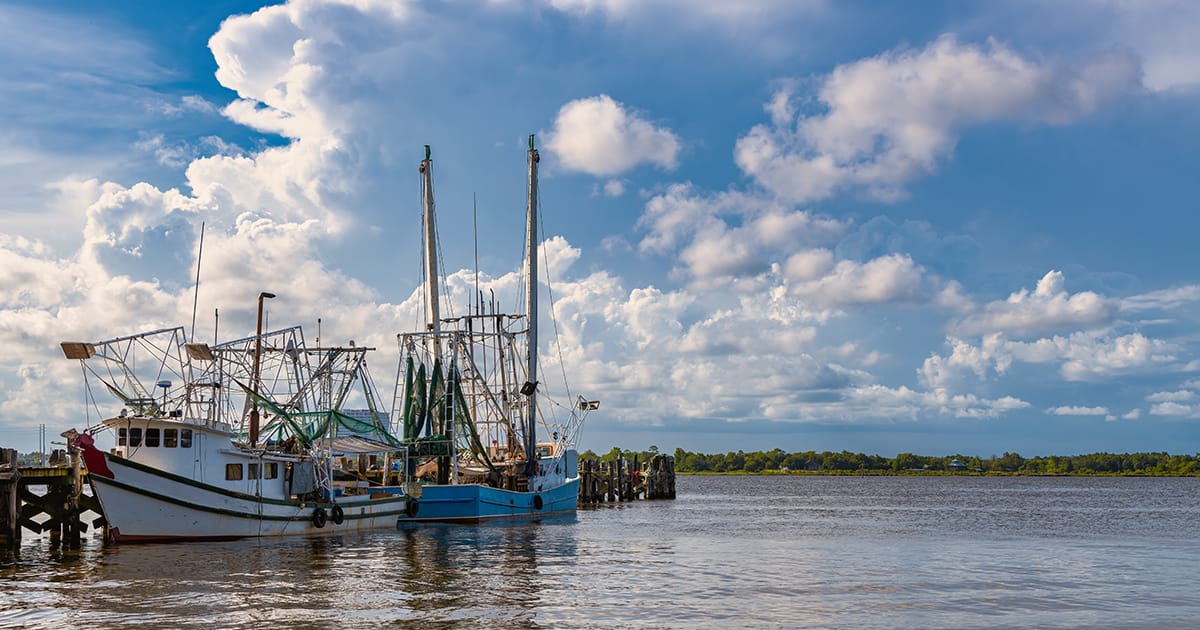
Imported shrimp accounts for roughly 90% of the shrimp consumed in the United States, much of which comes from countries with weak food safety standards and inadequate oversight of harmful contaminants such as antibiotics, pesticides, and bacteria. The Safer Shrimp Imports Act would require the Food and Drug Administration (FDA) to significantly increase testing of imported shrimp and publicly report inspection results, giving consumers more confidence in the safety of what’s on their plates.
“Growing up on Mississippi’s Gulf Coast, I know how important the shrimp industry is—not just to our economy, but to our way of life,” Ezell said. “Our local Gulf Coast shrimpers are playing by the rules while foreign producers are flooding the market with unsafe, low-quality products. This bill is about leveling the playing field, protecting our American producers, and keeping America healthy.”
“As we work to restore an economy built on American sweat and labor, it’s vital that Congress stands up for our Gulf Coast shrimpers,” Letlow said. “Our Safer Shrimp Imports Act would hold foreign governments accountable for dumping inferior, subsidized shrimp into American markets, contaminating our food supply and undercutting our Louisiana shrimpers.”
“This bill is a crucial step toward protecting Louisiana families and supporting Louisiana’s fishing industry. By holding foreign shrimp imports to the same safety standards as our domestic producers, this legislation will safeguard public health, promote fair trade, and guarantee consumers can trust what’s on their plates. I want to thank my colleagues Rep. Ezell and Rep. Letlow for standing with me and fighting for American shrimpers and the safety of our food supply,” Carter said.
“The Safer Shrimp Imports Act is common sense legislation to ensure the safety of our nation’s most consumed imported seafood commodity, shrimp. For far too long, importing countries have dumped products into the American marketplace that are manufactured and processed without the same strict regulations that American producers must face,” Ryan Bradley, Executive Director of Mississippi Commercial Fisheries United, said.
“FWC is pleased to support the Safer Shrimp Imports Act. For years, Florida shrimpers have been hurt by foreign companies that have been dumping their products into US markets while skirting safety standards. This bill brings more accountability to foreign companies and is an important step to helping US shrimpers and US customers,” Jessica McCawley, Director, Division of Marine Fisheries Management at Florida Fish and Wildlife Conservation Commission said.
“We are encouraged to see action being taken by our Federal legislators to protect the integrity of the seafood supply chain and to support the US shrimping industry,” Founder and COO Erin Williams of SEAD Consulting said.