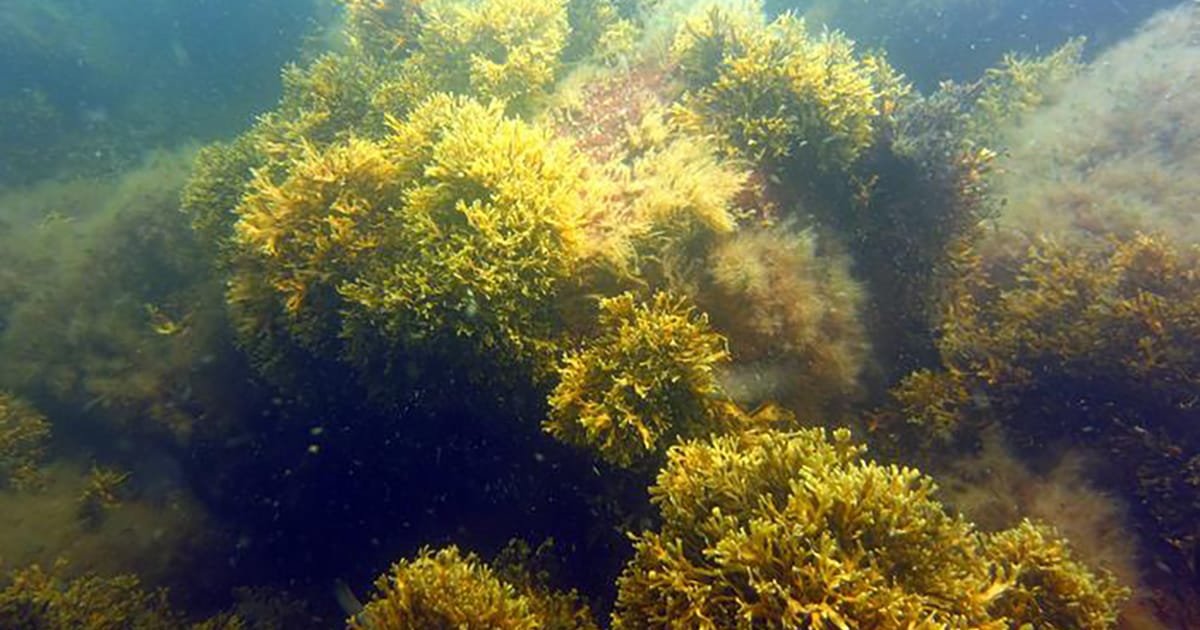
In the brackish waters of the Baltic Sea, bladderwrack is the dominant seaweed species as it is one of the few seaweed species that can tolerate low salinity.
The seaweed forms large forests from the surface down to a depth of 10 m. Fish fry, snails, and crustaceans thrive here, and the kelp forests also provide an important habitat for larger fish. This makes it an interesting species for researchers to study. Using genetic mapping of marine species is one way to understand how these species should be managed.
Falsely Mistaken for One Species
“The Baltic Sea is entering a period of warmer and probably even fresher seawater. In new conditions, all species must try to adapt in order to survive, including the important bladderwrack,” says Kerstin Johannesson, Professor of Marine Ecology at the University of Gothenburg and one of the lead authors of a new study in the journal Molecular Ecology.
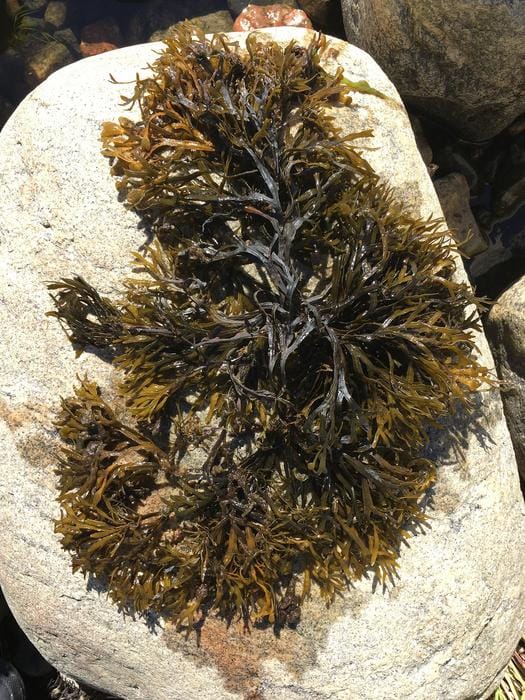
Through DNA sequencing, the researchers have found that a small, bushy form of seaweed in the Baltic Sea that was previously thought to be a separate species (called narrow wrack) is a clone of bladderwrack. The clone has formed new populations by dispersing fragments of an original female plant with the water currents and growing into new individuals of wrack. The clone spreads over more than 500 km of the coast of the Bothnian Sea, from Öregrund in Uppland to just south of Umeå, and may be the world’s largest clone of any organism.
Millions of Individuals in One Clone
Bladderwrack has separate male and female plants that normally form new individuals after sexual fertilization.
“This clone comprises millions of individuals, and in some areas, it is completely dominant, while in other areas, it grows alongside sexually propagated individuals of bladderwrack. We have found a few more large clones in the Baltic Sea, but the female clone off the Swedish Gulf of Bothnia is by far the largest clone—a real super female,” says Ricardo Pereyra, a researcher in the group who led the genetic analyses.
Uncertain Future for Clones
Seaweed clones face an uncertain future as the Baltic Sea is affected by climate change. Without constant sexual reproduction, there are few genetic changes and adaptations in the genetic material of the stocks.
“A clone almost completely lacks the genetic variation that otherwise means that there are individuals in a population that can handle the changes and make the species survive,” says Kerstin Johannesson.
New Species in Estonia
During the survey, the researchers from the University of Gothenburg also identified a new species of seaweed on the Estonian coast, which, like the small seaweed clone, is small and bushy but has both males and females and reproduces only sexually. This seaweed is very closely related to bladderwrack but is currently reproductively isolated from bladderwrack in the area.