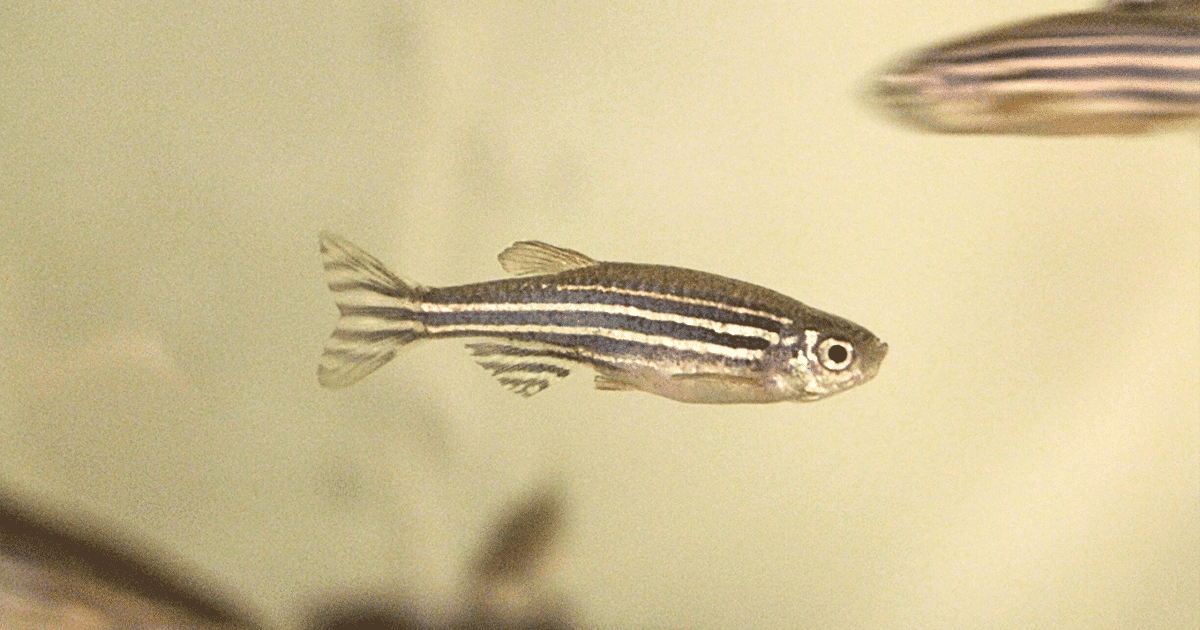
“In our research,” explains Academy Research Fellow Silva Uusi-Heikkilä from the University of Jyväskylä, “we concentrated on two life-history types: fast-growing fish characterized by rapid juvenile growth, early maturation, and smaller size, versus slowly growing fish characterized by slower juvenile growth, later maturation, and greater size.”
Considering Fish Life-History Types in Conservation
The findings show that MnSO4 exposure slows down the growth of zebrafish and lowers their condition factor, which is an indicator of well-being. However, the scope of impacts varies by life-history type. Fish with the fast life-history strategy were more sensitive to MnSO4, as they grew more slowly when exposed to high concentrations. In addition, they had a lower condition factor, and they ate less than their conspecifics with a slow life-history strategy.
“Our findings show that manganese sulfate may deteriorate the growth and stress coping of fish and that variation in life-history traits may play a crucial role in modifying the stress tolerance of individuals,” Uusi-Heikkilä says. “This study underlines that it is important to take population life-history traits into account in environmental risk assessments and protection strategies and also to consider the combined effects of fishing and environmental factors on fish populations.”
Additional Information for the Review of Emissions and Environmental Effects
The study provides valuable information on how pollutants like manganese sulfate end up in the aquatic environment and can affect aquatic organisms in various ways based on their life-history strategies.
“These findings have significant effects when we wish to get insight into the viability and adaptability of fish populations in polluted habitats,” Uusi-Heikkilä states.
The study was conducted as part of research funding by the Emil Aaltonen Foundation granted to Professor Anna Kuparinen and her research team.
Journal Reference:
Fish with slow life-history cope better with chronic manganese exposure than fish with fast life-history, Silva Uusi-Heikkilä, Jouni K. Salonen, Juha S. Karjalainen, Ari Väisänen, Johanna Hippeläinen, Teemu Hämärvuo, Anna Kuparinen, Wiley Ecology and Evolution, 8.8.2024; DOI: https://doi.org/10.1002/ece3.70134