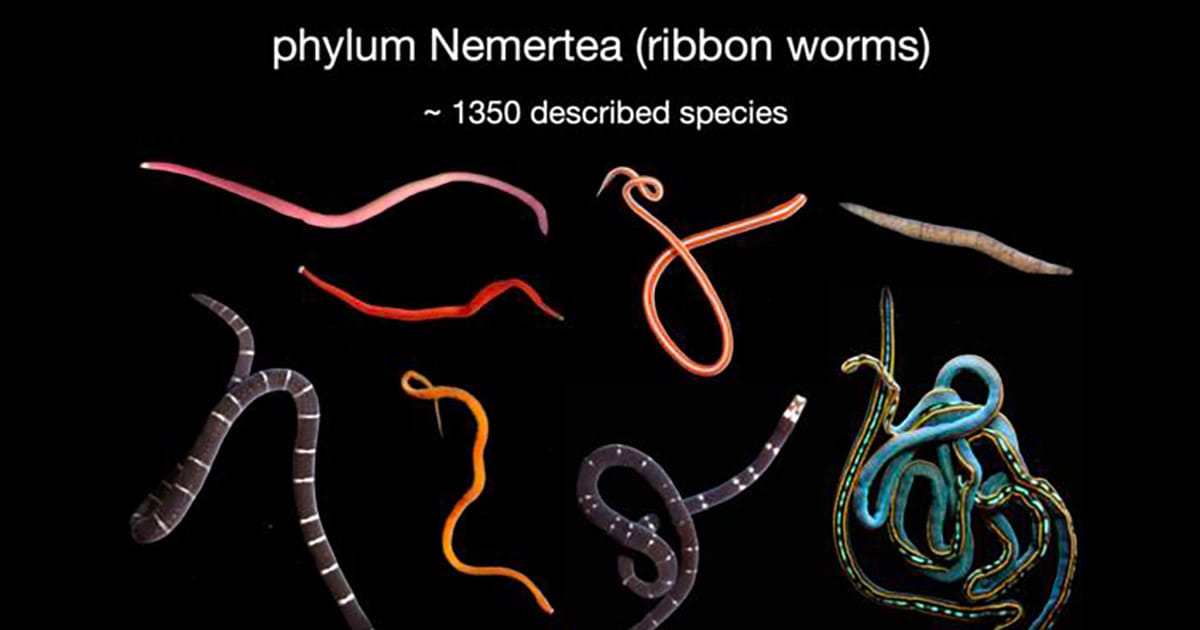
“This highlights how much we still have to learn about marine biodiversity in this region and the tropics, more generally,” said lead researcher Dr. Svetlana Maslakova from the Oregon Institute of Marine Biology. The research revealed little species overlap between the Gulf of Oman and the Sea of Arabia.
These findings provide valuable insights into the region’s marine biogeography and could inform future conservation efforts. The study’s findings also have potential implications for biomedical research, as ribbon worms are known to produce various bioactive compounds.
The team’s analysis suggests that Oman’s marine ecosystems may harbor approximately 200 additional undiscovered nemertean species, particularly in unexplored soft-bottom habitats and the water column. This estimate emphasizes the importance of continued biodiversity research in the world’s oceans.