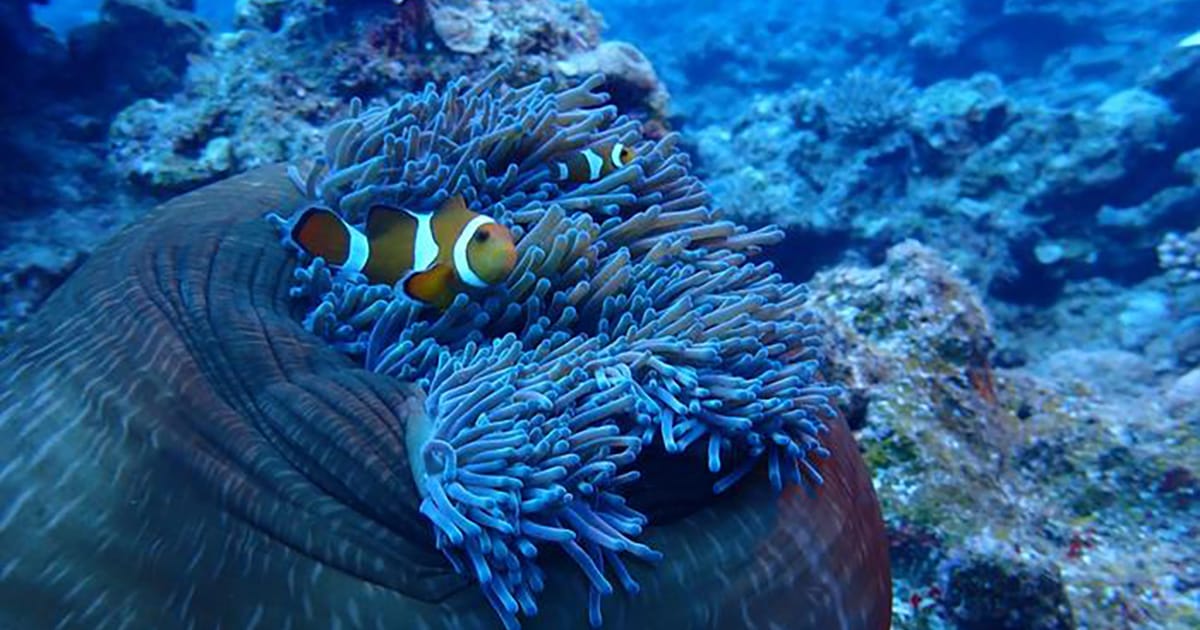
In iScience, researchers at the Okinawa Institute of Science and Technology (OIST) describe the metabolic and molecular changes that can support young clownfish to adapt to climate change and warming seas. Through genomic and transcriptomic studies across multiple tissues within young clownfish, the team identified the biological processes affected by rising water temperatures. And the outlook is more positive than we may have thought.
By exposing freshly hatched juvenile Amphiprion. ocellaris (Common clownfish) to a raised water temperature (31°C) over the course of two months, the researchers could monitor the changes in gene expression and physiology of the fish. They found the most significant change was in the liver and pancreas, where insulin secretion reduced and oxidative phosphorylation increased in fish living long-term in 31°C water. These changes may reduce the impact of heat stress among fish.
Metabolic rates increased only from acute temperature stress (1-day exposure to 31°C followed by cooling to normal summer temperatures of 28°C), but not to chronic, long-term exposure to 31°C. Additionally, the earlier that the fish were exposed to these higher temperatures, the less the effect on metabolism, and the better the fish could acclimatize to warmer waters.
“Whilst we’ve found mechanisms for heat acclimation, these biological changes may have other long-term negative impacts on fish health, so we need to expand our studies and do further testing to get a better idea of the future of our fish,” commented Professor Timothy Ravasi, head of the Marine Climate Change Unit at OIST and author of this paper. “But knowing that developmental exposure to these high temperatures can support heat acclimation, we can move forward with hope for the future of our tropical fish.”