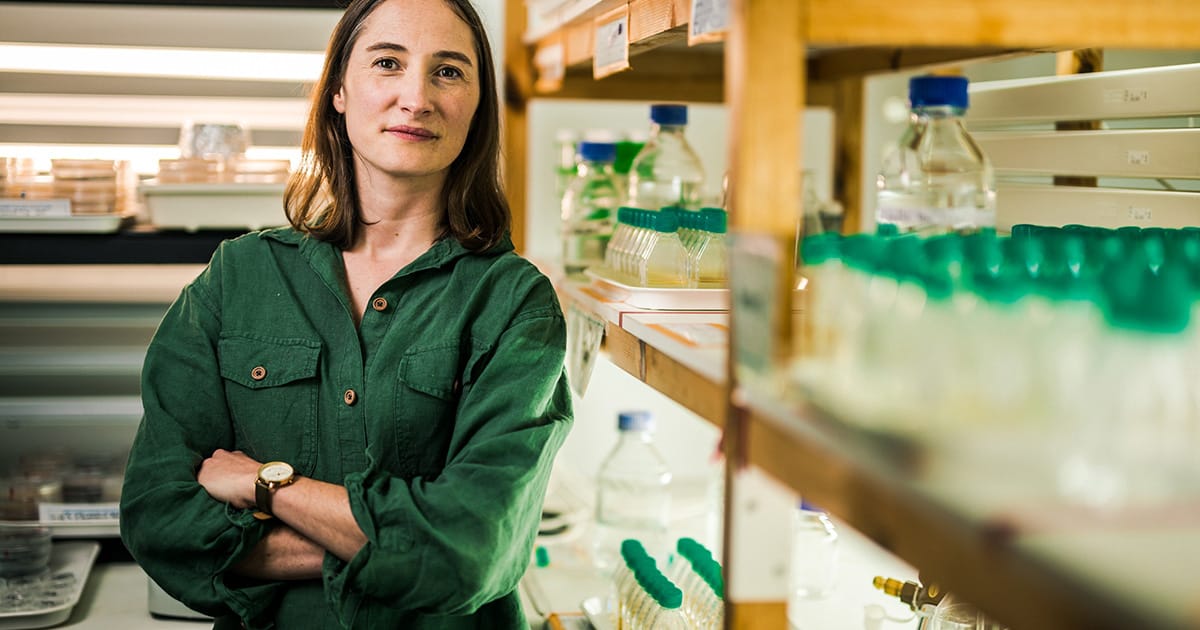
NERC Independent Research Fellow Dr Katherine Helliwell, who holds a joint appointment at the MBA and University of Exeter, will lead on a €2,299,893 award for the project DIACIDAL, which examines interactions between phytoplankton (plant-like ocean microbes) and bacteria that can kill them.
Dr. Helliwell‘s DIACIDAL project will examine the interactions between phytoplankton and bacteria. Globally, phytoplankton absorb vast quantities of carbon and support ocean life at the base of marine food chains—and this project focuses on one of the most abundant groups of phytoplankton, the diatoms.
DIACIDAL addresses crucial unknowns in our understanding of how certain bacteria can kill diatoms—and how diatoms can sense and evade attack. The project also has the potential to unlock opportunities for biotechnology, such as new antimicrobial compounds.
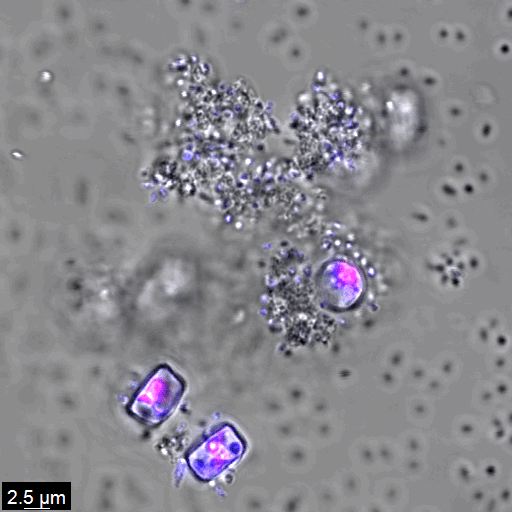
Dr. Helliwell said: “Interactions between phytoplankton and bacteria are crucial in mediating carbon cycling in the oceans, yet because they are invisible to the naked eye, we know little about how they work and their roles in the environment. I’m thrilled and honored to have been awarded this ERC funding for my project, DIACIDAL, which will use new technologies to overcome these challenges.”
The European Research Council (ERC) awarded its Consolidator Grants to 328 researchers overall. These grants, totaling €678 million, aim to support outstanding scientists and scholars as they establish their independent research teams and develop their most promising scientific ideas. The funding is provided through the EU’s Horizon Europe program.
Dr. Helliwell is the research lead for algal microbiome and ecophysiology in the MBA program.