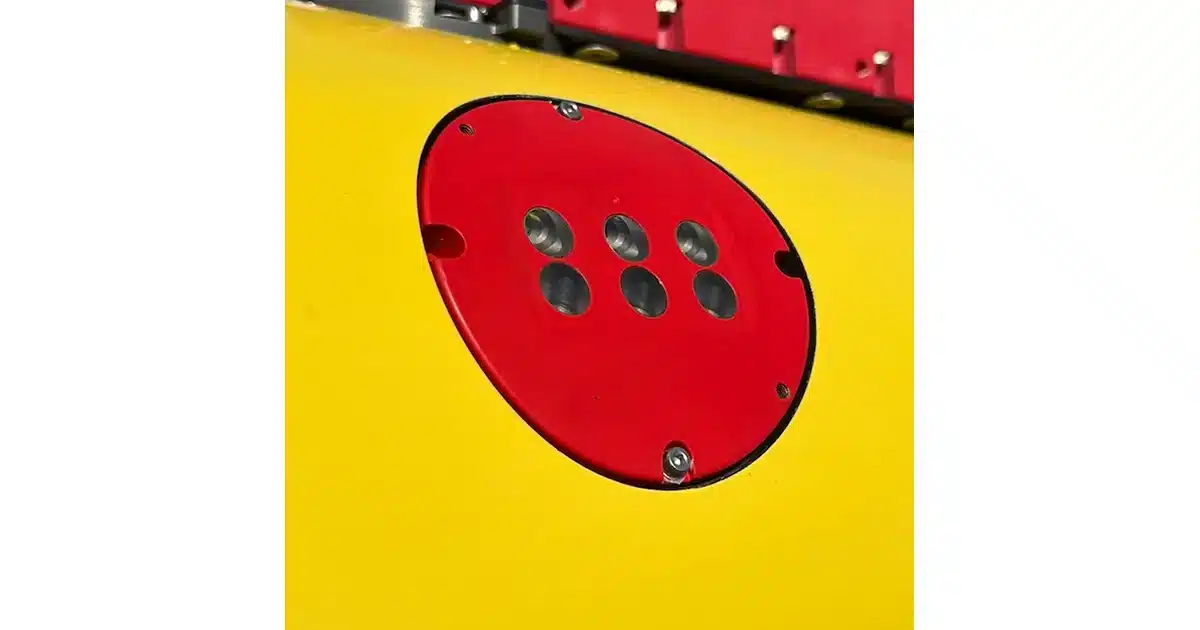
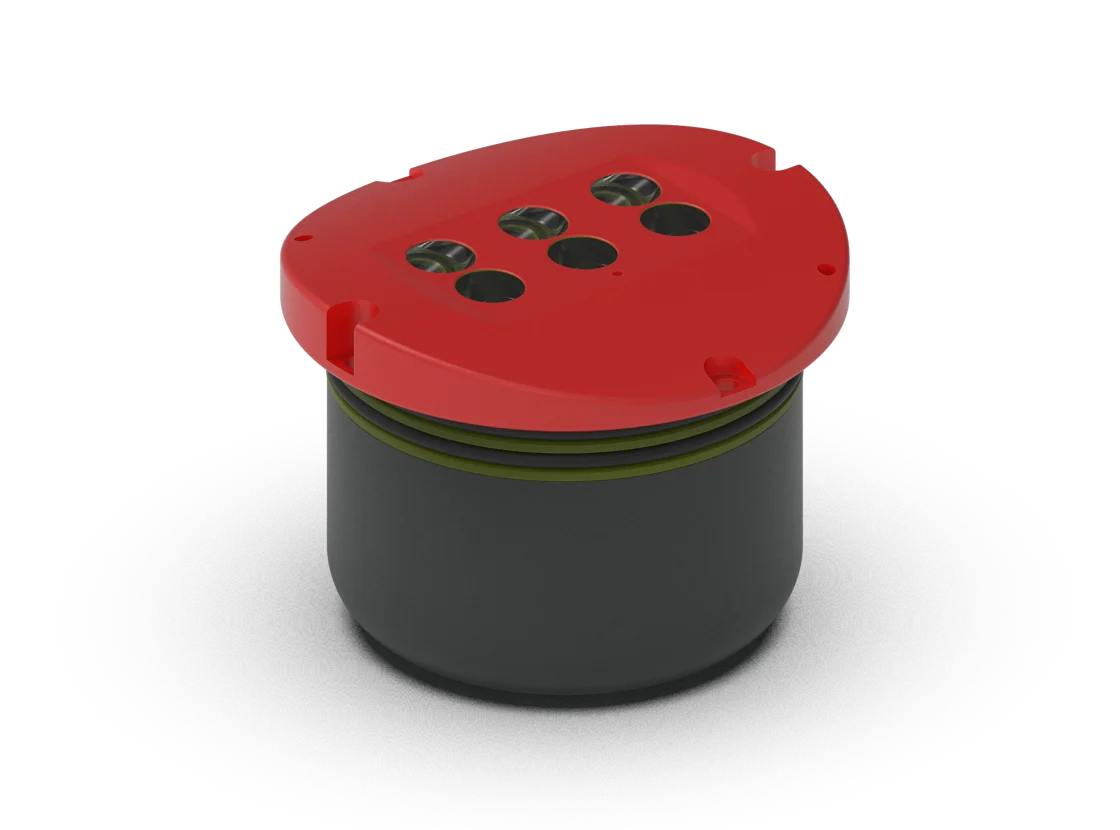
Its size is compatible with existing vehicle payload bays and with RS-232 data being streamed via a Micro-Fit connector, user integration is simple.
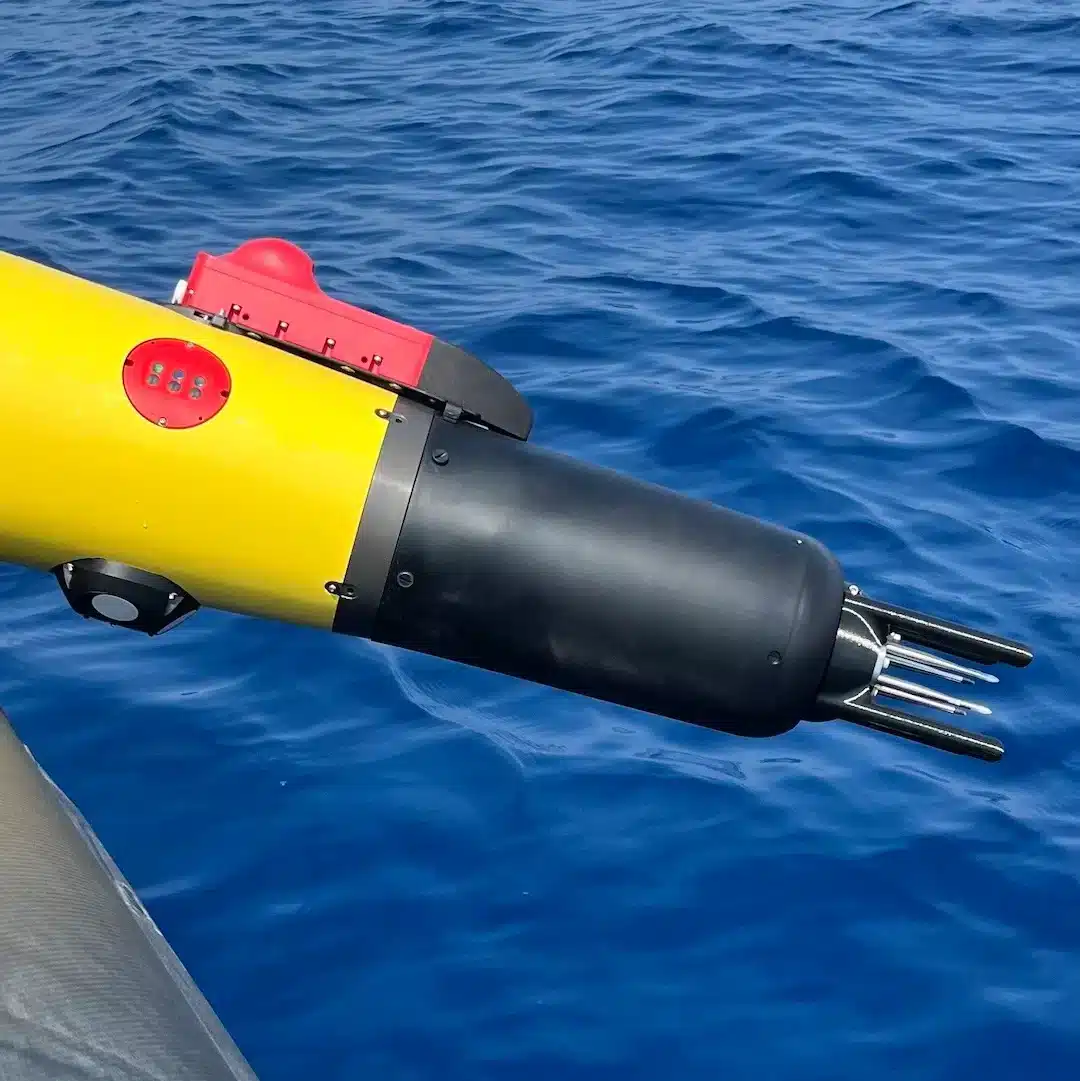
RBR is well known for building instrumentation with exceptionally low power requirements, and the RBRtridente is no different. This allows integrators and their end users the capability to extend mission durations, be it with their AUV, glider, float, or other underwater vehicle; maximizing science opportunities while deployed.
(Image credit: RBR)
The RBRtridente is capable of making multiple fluorescence and backscatter measurements simultaneously, and with a high dynamic range, it permits exposure to full sunlight with very low detection limits. With a depth rating of 1,250 m for the dry bay version and 6,000 m for the existing wet bay version, it suits a wide variety of applications.
Parameters currently available include chlorophyll a, FDOM, phycocyanin, phycoerythrin, backscatter, and turbidity, and users can select a combination of any three of these parameters when ordering. Additional wavelengths are available on request, with a number already scheduled to roll out soon.
(Image credit: RBR)
For more information on this new variant of the RBRtridente or any other instruments in the RBR range, please reach out to the team at RBR: [email protected]