
Scientists from the Smithsonian Tropical Research Institute (STRI) have studied this phenomenon, and their records show that this seasonal upwelling, which occurs from January to April, has been a consistent and predictable feature of the gulf for at least 40 years. However, researchers recently recorded that in 2025, this vital oceanographic process did not occur for the first time. As a result, the typical drops in temperature and spikes in productivity during this time of year were diminished. In a recently published article in the journal PNAS, scientists suggest that a significant reduction in wind patterns was the cause of this unprecedented event, revealing how climate disruption can quickly alter fundamental oceanic processes that have sustained coastal fishing communities for thousands of years. Still, further research is needed to determine a more precise cause and its potential consequences for fisheries.
This finding highlights the growing vulnerability of tropical upwelling systems, which, despite their enormous ecological and socioeconomic importance, remain poorly monitored. It also underscores the urgency of strengthening ocean-climate observation and prediction capabilities in the planet’s tropical regions.
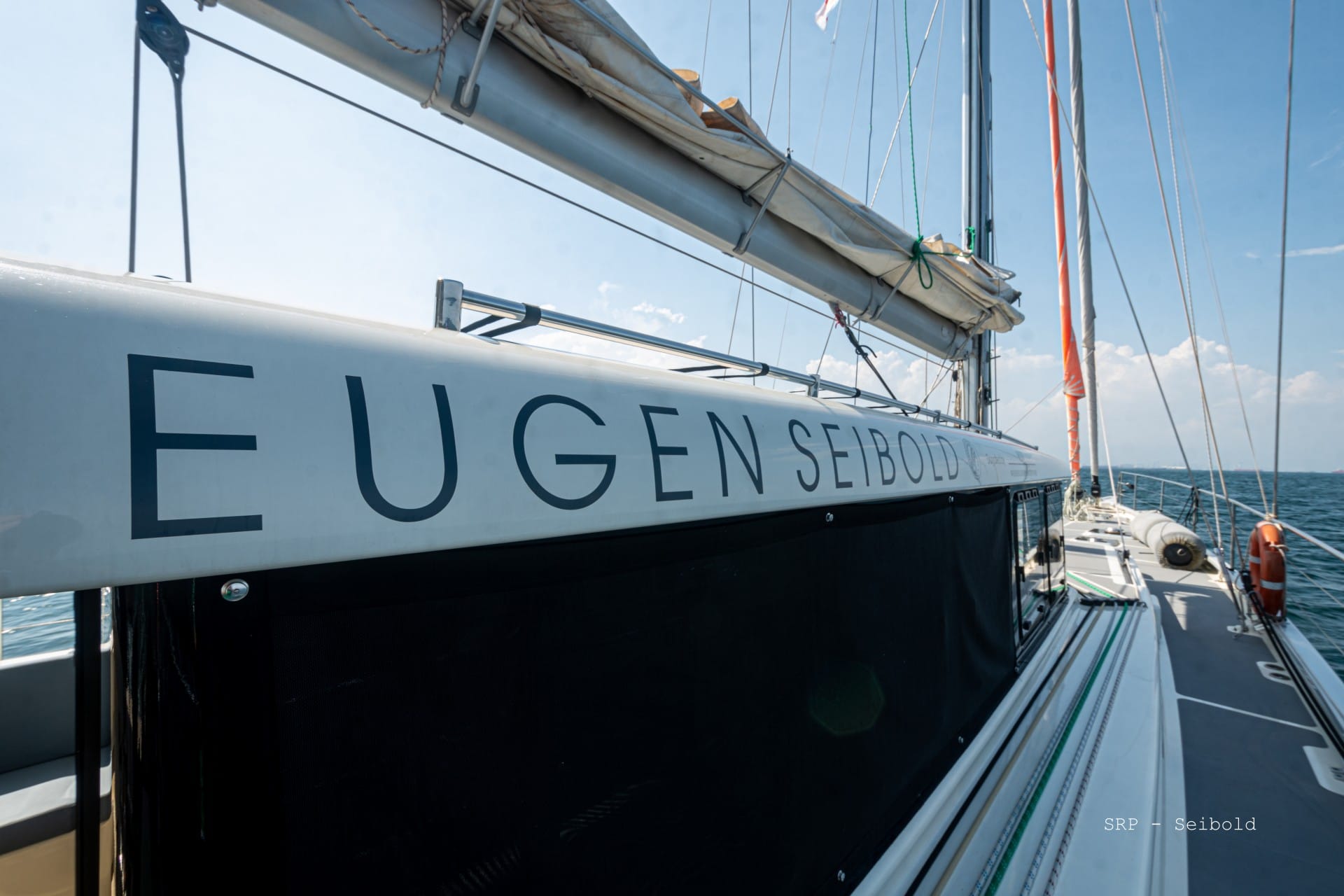
This result marks one of the first major outcomes of the collaboration between the S/Y Eugen Seibold research vessel from the Max Planck Institute and STRI.