The Atlantic Meridional Overturning Circulation (AMOC) distributes heat across the Atlantic—particularly in the Northern Hemisphere—like a conveyor belt, thereby influencing precipitation, sea ice, ecosystems, and the global carbon cycle. Researchers continue to debate the potential consequences of an abrupt weakening of the AMOC and whether such a weakening could be irreversible over the long term.
“Until now, we have assumed that the AMOC was significantly weaker during the Heinrich Event and did not recover even over several thousand years. However, our data show that the overturning circulation was much more dynamic,” explained Dr. Stefan Mulitza of MARUM – Center for Marine Environmental Sciences at the University of Bremen, who led the study together with his Brazilian colleagues Dr. Partha Sarathi Jena and Dr. Cristiano Mazur Chiessi from the University of São Paulo. The study has now been published in Nature Communications.
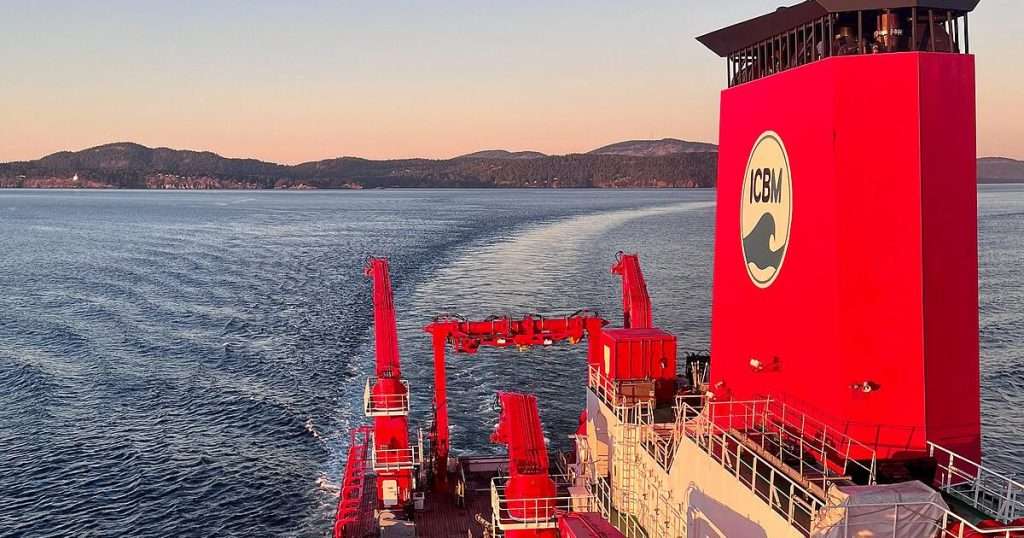
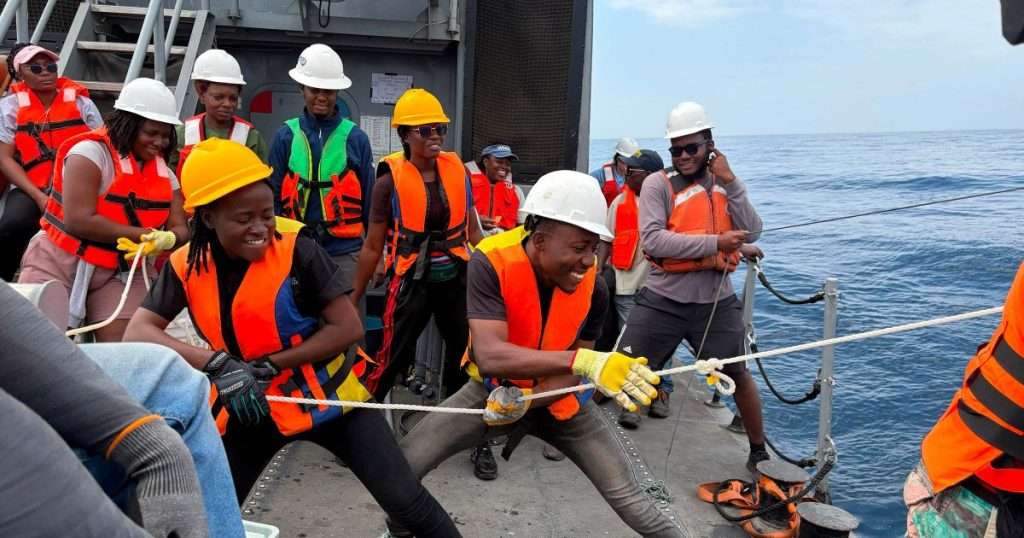
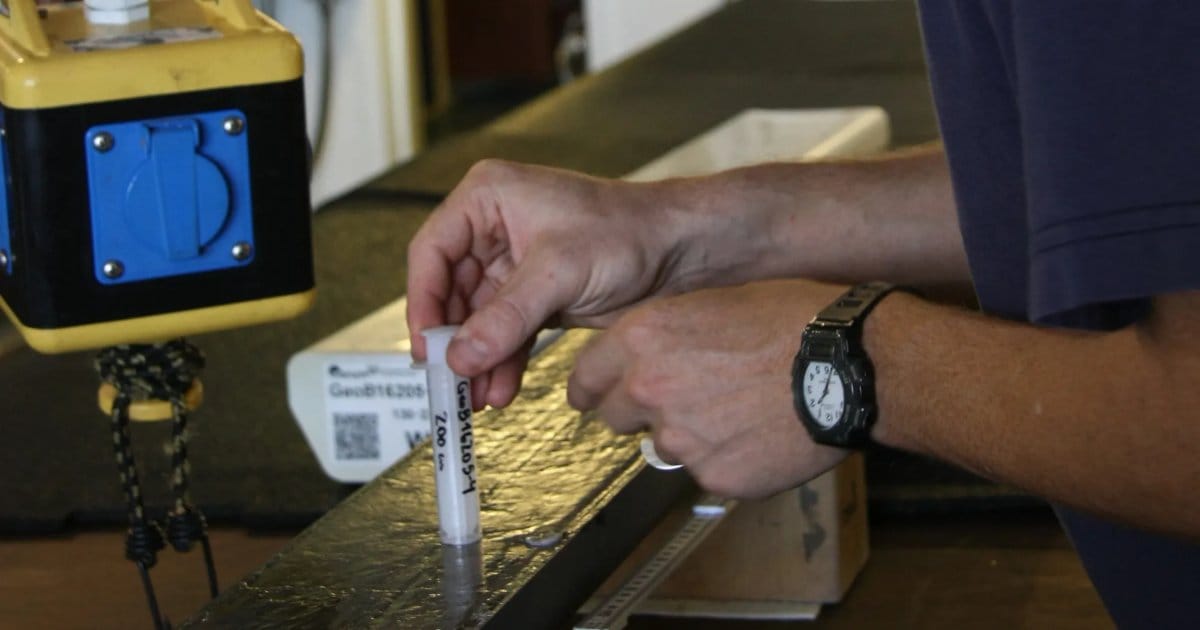
Key insights came from sediment samples collected during an expedition off the coast of Brazil. Due to the exceptionally high local sedimentation rates—many particles settle on the ocean floor in a relatively short time—the team was able to recover about three meters of material deposited exclusively during the Heinrich Event. The Heinrich Event lasted about 2,000 to 3,000 years, “but until now we couldn’t say with certainty how stable the AMOC was during that period,” explained Chiessi. Radiocarbon dating of benthic foraminifera plays a key role here; these organisms serve as a particularly sensitive indicator of the residence time of bottom water masses and can thus be used to reconstruct the intensity of the Atlantic Meridional Overturning Circulation.
The analyses show that the Atlantic Meridional Overturning Circulation was by no means always in a weakened state during the Heinrich Event. In fact, the researchers were able to identify two periods during which the AMOC was significantly strengthened for several centuries. These periods had an impact on, among other things, tropical precipitation patterns and carbon storage in the ocean. “The exceptionally high temporal resolution of our data now makes it possible, for the first time, to identify the variability of the AMOC and its consequences on timescales of a few centuries,” said Mulitza.
The study provides important insights for better understanding the role of the AMOC in climate change throughout Earth’s recent history. A future weakening of the AMOC currently appears very likely. However, it is still unclear whether this weakening has already begun and whether it will occur abruptly.
Original Publication:
Partha Sarathi Jena, Cristiano Mazur Chiessi, Ines Beese, Martin Butzin, Bruna Borba Dias, Marlia de Carvalho Campos, Gerrit Lohmann, Stefan Mulitza: Centennial-scale intensifications of the Atlantic Meridional Overturning Circulation 1 during Heinrich Stadial 1. Nat Commun (2026). DOI: ://doi.org/10.1038/s41467-026-73364-x