
Sunscreens contain chemical compounds that filter out the sun’s ultraviolet (UV) rays. UV filters are also added to personal care products (e.g., shampoos, moisturizers, lipsticks, shower gels) and various other commercial products, including plastics, rubber, paint, and cement, to enhance light resistance and prevent photodegradation.
As a result of modern lifestyles, UV filters are vital for human health and extend the lifespan of materials, and they are emerging as a major environmental concern due to their widespread use and worldwide distribution.
With global sunscreen sales projected to reach $13.64 billion by 2026 and an estimated 6,000–14,000 tonnes of UV filters released annually into coral reef zones alone, researchers emphasize the urgent need for more comprehensive studies on their environmental impact.
Lead author Anneliese Hodge, Ph.D. researcher at Plymouth Marine Laboratory and the University of Plymouth, said: “This review indicates that current research has only scratched the surface of understanding how these chemicals can affect marine life. What’s particularly concerning is that these compounds are considered ‘pseudo-persistent pollutants’ due to their continuous introduction into marine environments as well as an overall lack of understanding of how these chemicals then interact with others in the sea.
“That’s why it’s so important for us to be researching the effects of these compounds on marine life from all geographical regions—temperate and tropical, including the work we are conducting here at PML and the UoP on UK marine organisms. We really need to understand how these chemicals interact in the marine environment and if they have the potential to bioaccumulate within the food chain.”
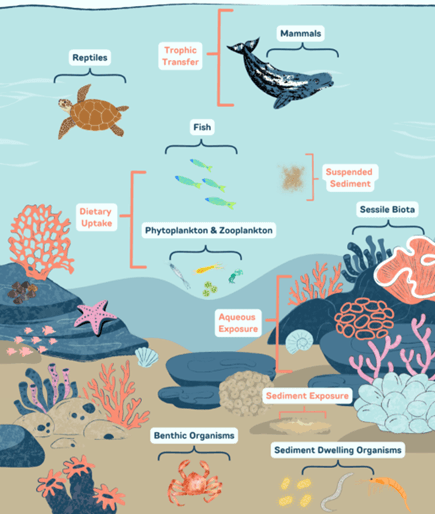
Complex Combinations of Chemicals
The new study, published in the journal Marine Pollution Bulletin, was based on a review of more than 110 publications linked to sunscreen, UV filters, and their ecotoxicological or environmental impact. It highlighted that at least 25% of sunscreen products wash off during sea bathing, and a single beach with 1,000 visitors can be subject to more than 35kg of sunscreen deposits per day.
The chemicals or ingredients used in sunscreens can either be organic (chemical-based) or inorganic (mineral or metal-based), and each type can have different properties, structures, and solubilities. Organic UV filters, which consist of up to 55 different compounds registered for use globally, absorb incoming UV radiation. In contrast, inorganic UV filters, which are sometimes marketed as ‘reef safe’, include titanium dioxide (TiO2) and zinc oxide (ZnO) that reflect or scatter incoming radiation.
A single UV filter on its own has a limited absorption wavelength capability against UV radiation, and therefore, combinations are used to protect against the whole UV spectrum. Typically, between three to eight different UV filters are used in a single organic-based sunscreen formulation, which can make up to 15% of the overall product mass.
Benzophenones (BPs) are the most common and extensively used UV filters in sunscreens, with a total of fourteen BP derivatives being used in commercial personal care products. Benzophenones have been classified as persistent, bio-accumulative, and toxic substances, and benzophenone-3 is currently on the European Chemical Agency’s watch list as ‘under investigation as a hormone-disrupting chemical’.
Co-author Dr. Frances Hopkins, Ph.D. supervisor and Marine Biogeochemist at Plymouth Marine Laboratory, said: “This review highlights the mindboggling range of sunscreen-derived chemicals that we know are released into coastal marine environments—and demonstrates that our understanding of the effects of these toxic compounds on marine organisms is surprisingly limited. Such environments face a range of human-induced stressors, from marine heatwaves and eutrophication to longer-term ocean warming and acidification, so it is vital we understand the additional impact of this pervasive chemical pollution on these already stressed ecosystems.”
How Does Sunscreen Get into the Ocean?
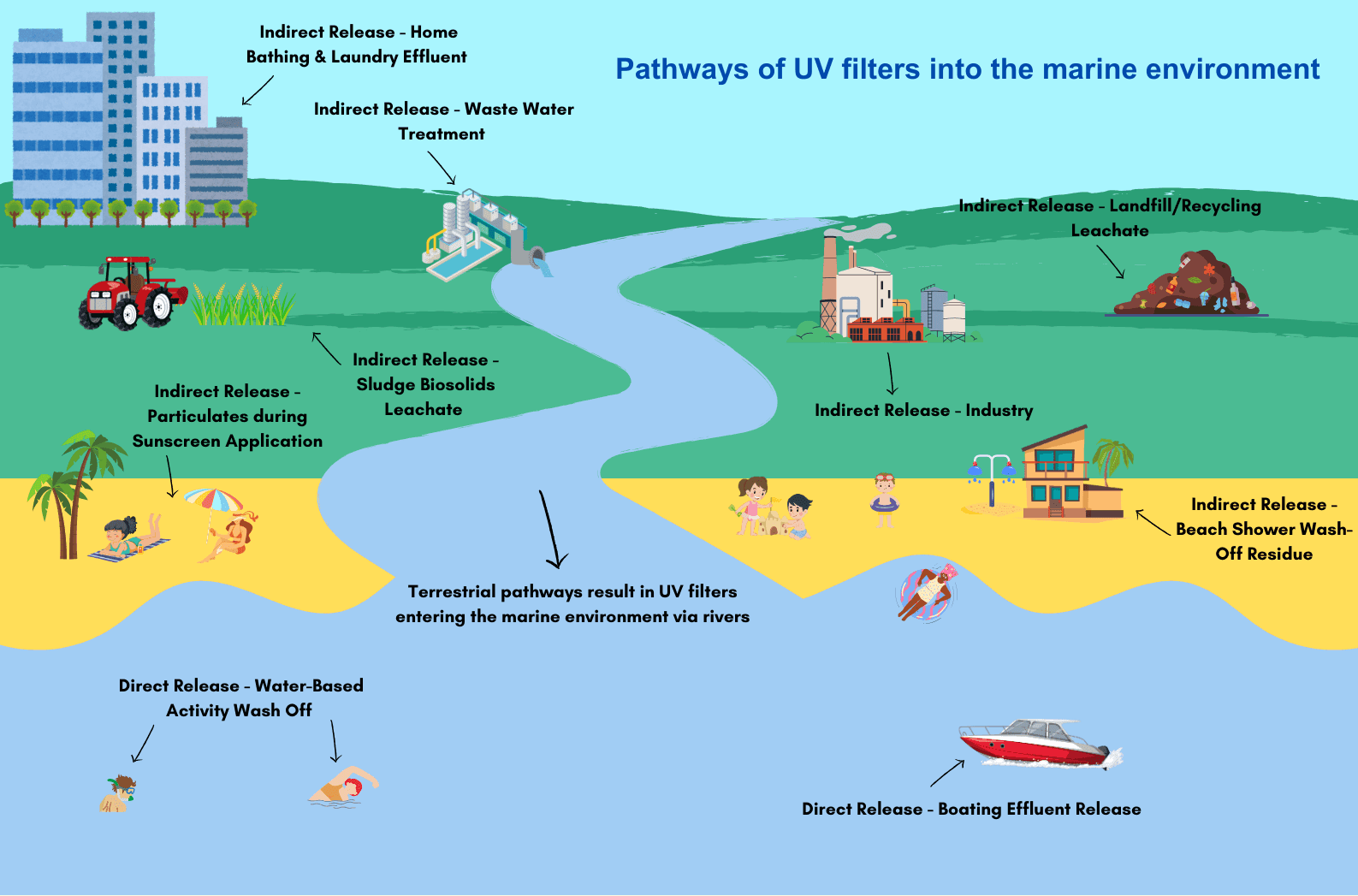
UV filters have been detected in marine environments worldwide, from busy tourist locations to remote areas, such as Antarctica and the Arctic, highlighting the extent of this contamination. UV compounds can enter the marine environment either directly or indirectly. Direct pathways include swimming or other water-based recreational activities, and indirect pathways include washing towels that have been used to dry sunscreen-coated skin and washing off residue during showering and even in urine.
Traditional sewage and water treatment technologies cannot effectively remove most UV filter compounds. Ozonation, a chemical process that uses ozone to remove pollutants from water and wastewater, is often used at wastewater treatment plants to degrade organic pollutants. However, this method of disinfection is ineffective in reducing the toxicity of UV filters.
UV filter pollution has recently been linked with agricultural practices too, whereby recycled water from wastewater treatment plants and sludge biosolids are used as soil fertilizers. This practice can result in the spread of UV filter contaminants not only onto crops but also into agricultural run-off and discharge mechanisms that flow into aquatic environments.
Another source of UV filter contamination in the aquatic environment is the use of beach showers. A study found that sands around the beach showers of Hanauma Bay, Hawaii, were highly contaminated with sunscreen residues, a level that directly correlated with high visitation rates.
Professor Awadhesh Jha, Professor in Genetic Toxicology and Ecotoxicology at the University of Plymouth and the study’s senior author, said: “There are increasing amounts and varieties of sunscreens entering the environment, and contaminants occur in all possible combinations. It is therefore imperative that we understand their bioaccumulation potential across the food chain and the mechanisms through which they act at molecular and cellular levels, alone and in combination with other stressors.
“Adopting an interdisciplinary approach will help to find the relative sensitivities of the organisms and to estimate potential environmental risks in line with UN Sustainable Development Goals (SDG). This should also enable us to explain any potential risk to human health, as marine food constitutes an increasingly important part of our diet globally, with 4.3 billion people reliant on fish for as much as 15% of their animal protein intake. Safeguarding the production of healthy seafood in the changing environment is crucial for the sustainability of the aquaculture industry too.”
A Pressing Need for Research and Action
Little research has been conducted on the specific ecotoxicological effects of these omnipresent compounds and the long-term effects associated with their dispersal in marine environments.
Co-author Dr Mahasweta Saha, Ph.D. supervisor and Marine Chemical Ecologist at Plymouth Marine Laboratory, said: “This work underscores the vast unknowns surrounding the impact of toxic chemicals on our already fragile marine environment. With marine ecosystems facing immense stress, we are essentially sitting on a ticking time bomb. It is crucial to exercise caution when introducing new substances, as they could exacerbate existing challenges. Thoughtful, science-driven decision-making is essential to prevent further harm.”
This literature review identifies critical research gaps that need addressing and offers recommendations to help get a better understanding of the issue with a view to managing these emerging pollutants, including:
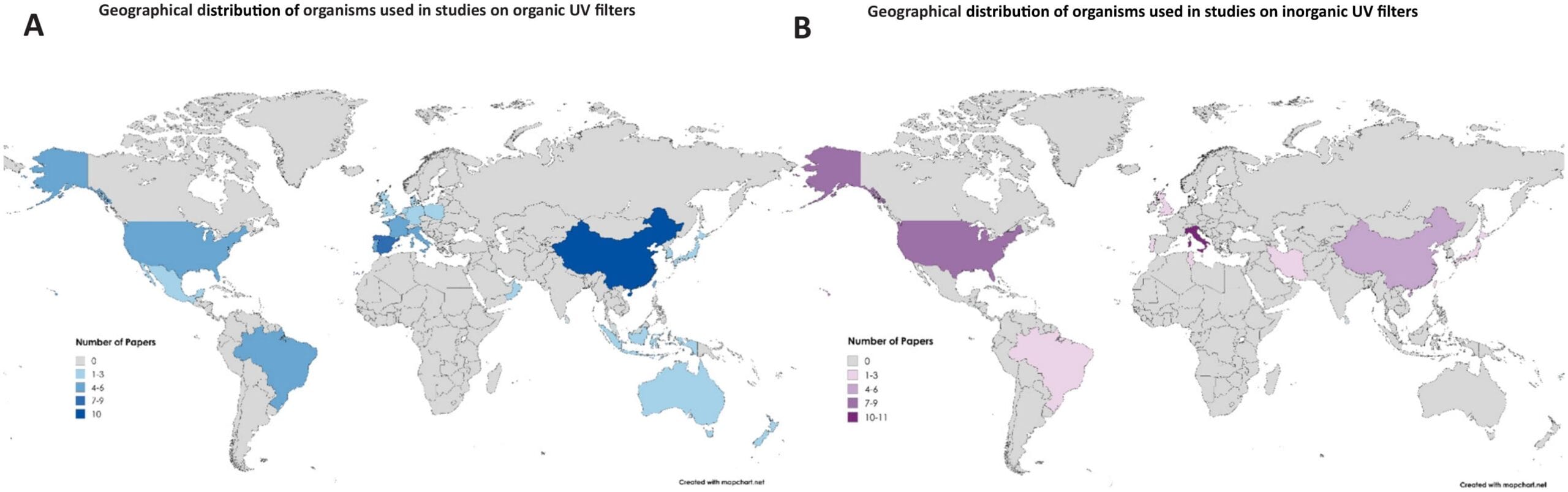
- Increase studies on inorganic and new-generation synthetic UV filters
- Increase research in Northern Europe, Africa, South America, Arctic and Antarctic regions, and many island nations
- Undertake long-term studies on chronic exposure effects
- Use UV lighting in experiments
- Need for more diverse species testing across different life stages
- Increase understanding of how these chemicals move through marine food chains
- Assess the effects of a range of UV filters with different properties and chemical profiles
“With coastal urbanization and tourism expected to increase, understanding the full impact of these compounds on marine life is crucial for developing effective environmental protection strategies,” concluded Anneliese.