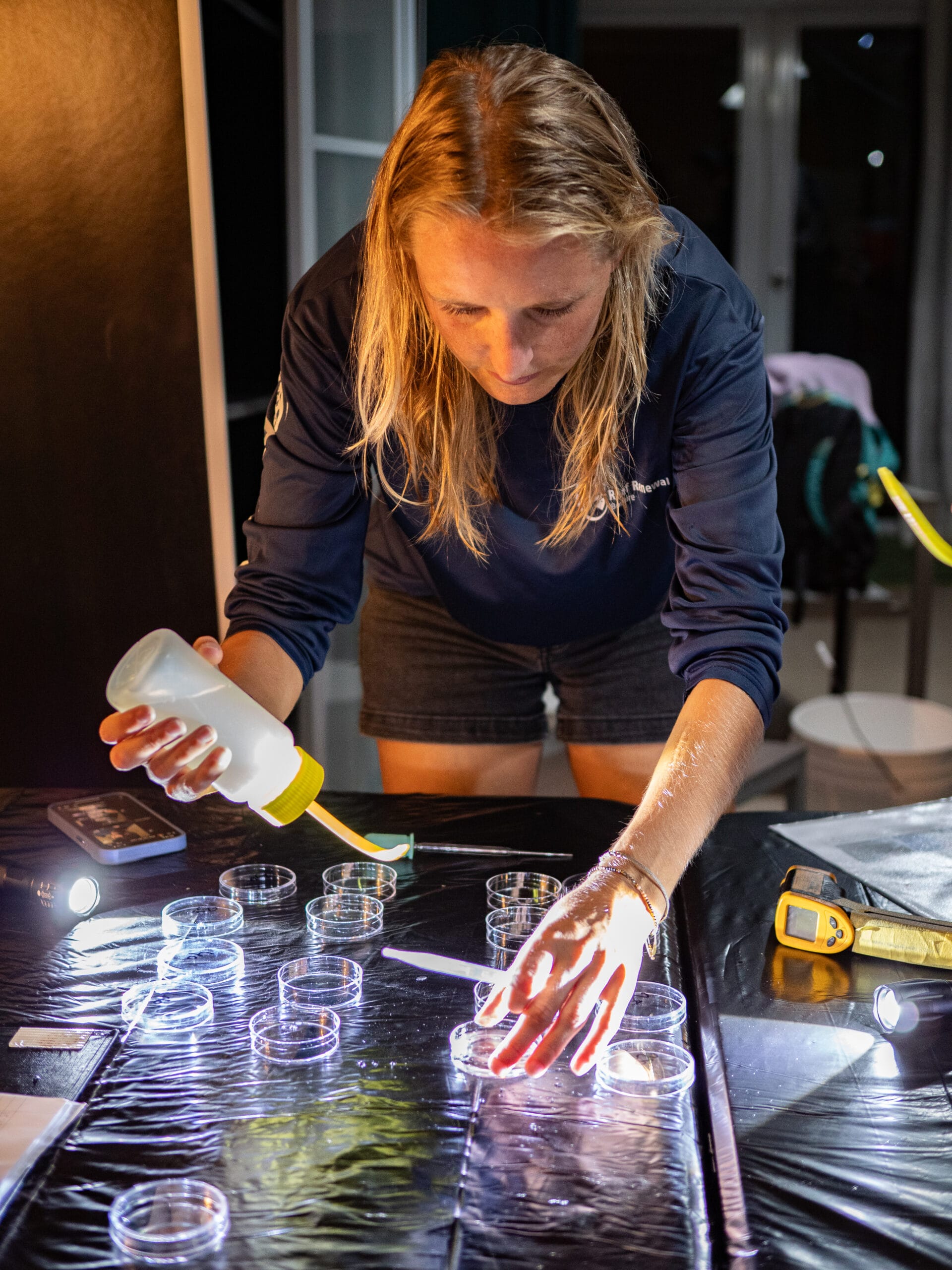
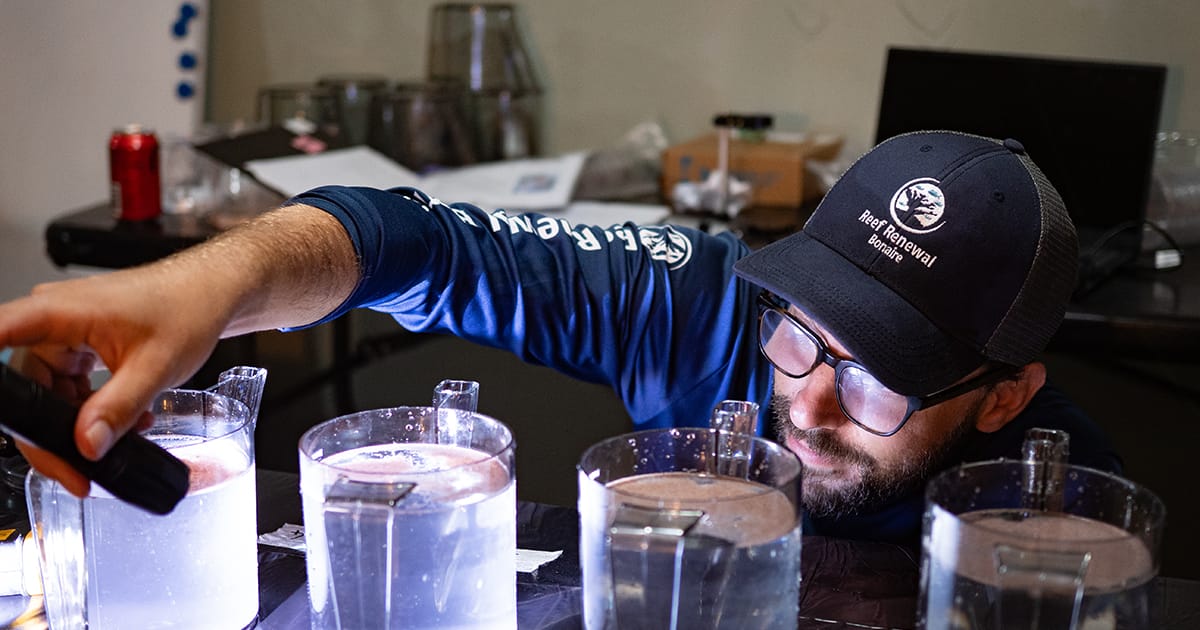
This event comes as a glimmer of hope after two years of unprecedented coral bleaching and SCTLD (Stony Coral Tissue Loss Disease) pushed many coral species to the brink. With fewer healthy colonies remaining—and many now too far apart to reproduce naturally—the chances of fertilization in the wild have dropped dramatically.
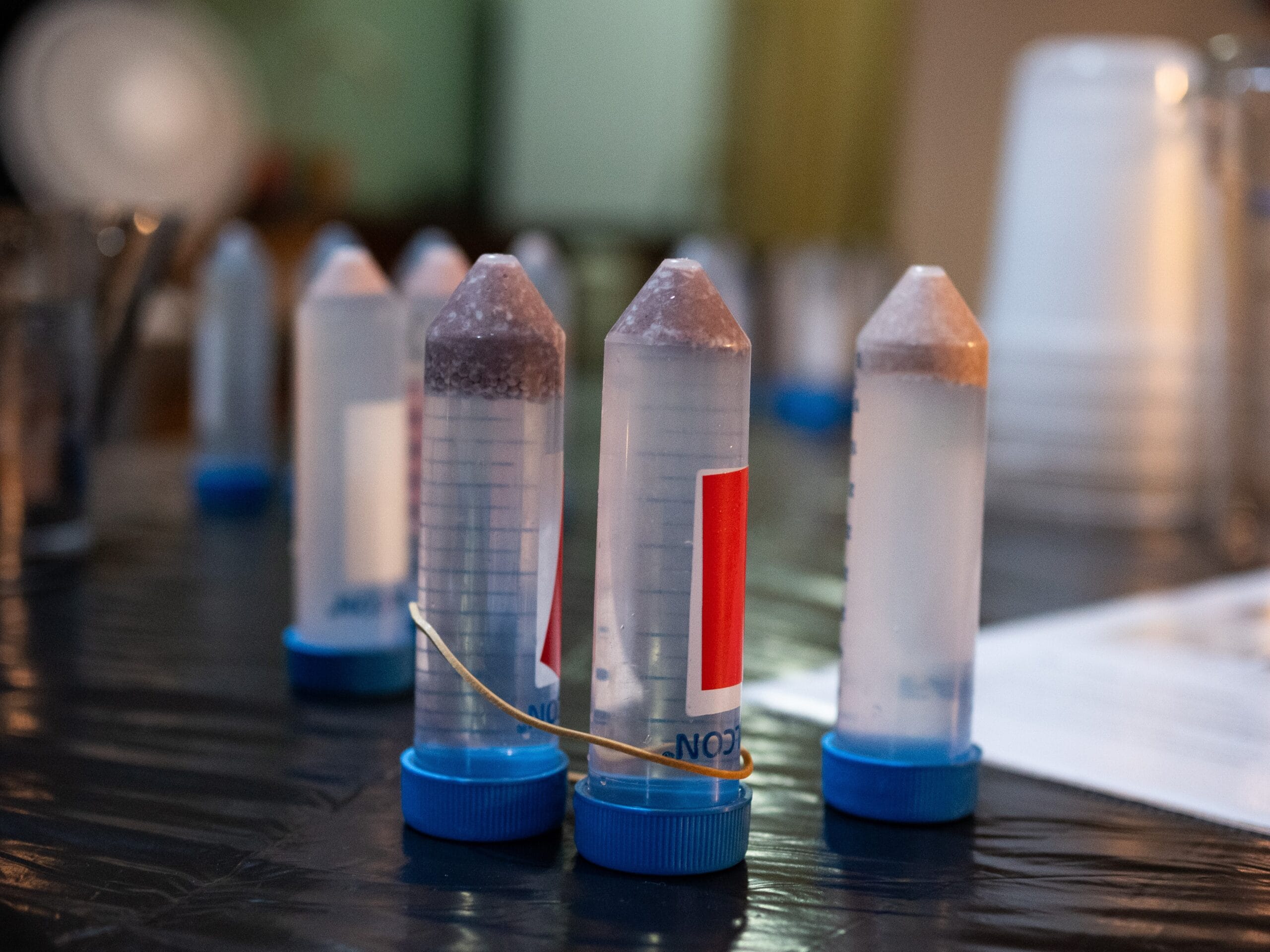
“Every spawning event is a critical and unique opportunity to boost the genetic diversity of Bonaire’s declining coral populations,” said Sanne Tuijten, RRFB’s Science Officer. “And with that diversity comes greater resilience.”
Active restoration plays a vital role in reversing coral reef decline, strengthening struggling populations by boosting genetic diversity, and rebuilding abundance. In fact, research shows that young corals produced through this method show a high tolerance to heat stress. RRFB’s breeding results are highly encouraging, showing that vulnerable coral populations still have the capacity to reproduce—and that targeted breeding can greatly amplify year-round restoration efforts and significantly accelerate natural recovery.
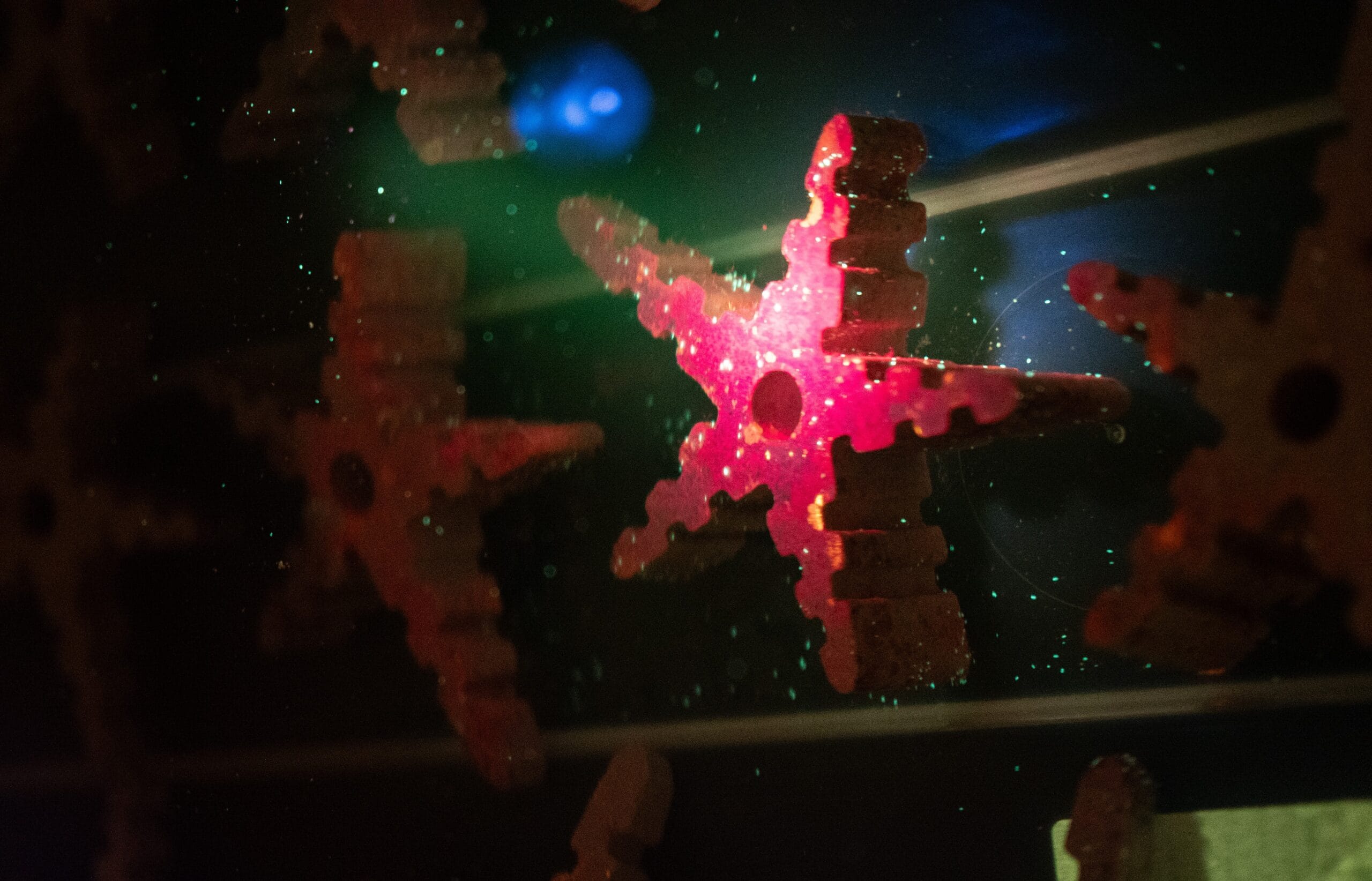
This month’s spawning event is the program’s first of the year, with more work planned for endangered species, including pillar, elkhorn, staghorn, and other brain corals. RRFB’s coral breeding program has been developed in close collaboration with SECORE International. It’s made possible with support from Openbaar Lichaam Bonaire (OLB) and the Dutch Ministry of Agriculture, Fisheries, Food Quality, and Nature (LVVN) through the Nos ta Biba di Naturalesa project.