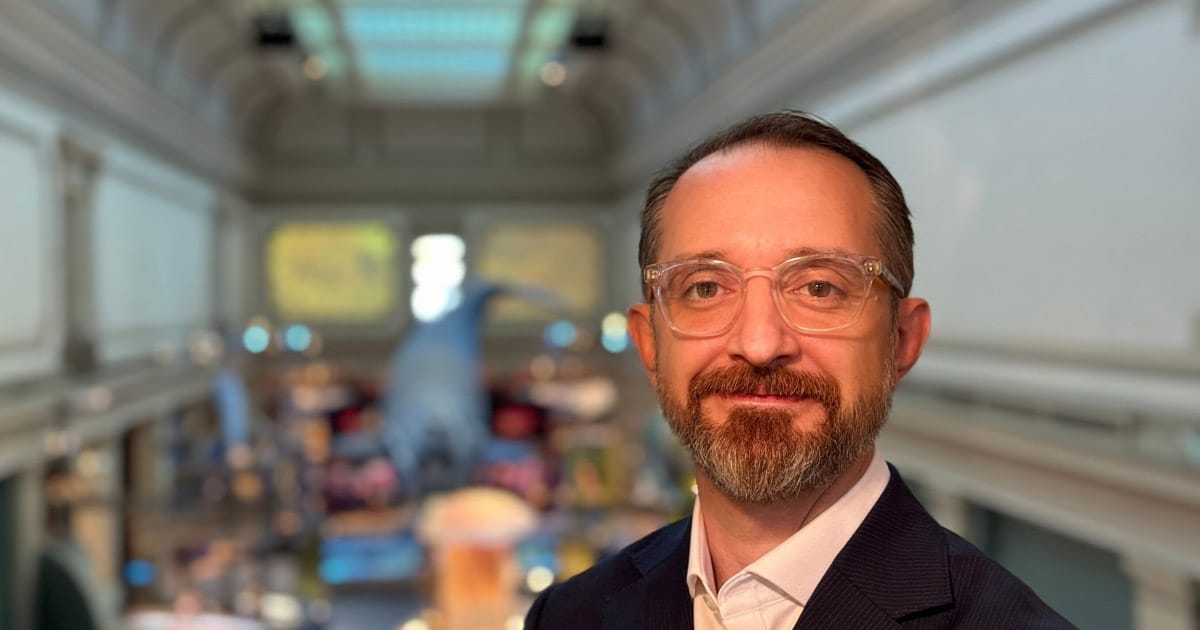
A marine biologist, Canty has worked for the Smithsonian since 2015. He began at the Smithsonian Marine Station in Fort Pierce, Florida, part of the National Museum of Natural History and a MarineGEO partner. While there, he headed the station’s Marine Conservation Program, where he worked with communities in Latin America and the Caribbean to promote effective management of marine resources, including mangroves, seagrasses, and small-scale fisheries.
Canty joined SERC in 2022, where he continued his community-focused research as head of the Marine Conservation Lab. His lab has worked with the countries of Belize, Panama, and Honduras to help shape their “nationally determined contributions” for reducing greenhouse gases as required under the Paris Agreement. This work included creating national estimates for the carbon stored in the mangroves of Belize and Panama.
“MarineGEO is more than a network of observatories—it is a community of people committed to protecting coastal ecosystems for generations to come,” said Ellen Stofan, Under Secretary for Science and Research at the Smithsonian. “Scientists and communities bring their expertise and passion, and together we elevate local science onto a global stage. This is how we transform knowledge into impact.”
“One of the Smithsonian’s strengths is its global reach and vast network of partnerships,” said William “Monty” Graham, Director of SERC, who served on the selection committee. “Steve brings that global perspective with him to MarineGEO. But his real superpower is being able to work with local communities to meet their specific cultural and geopolitical needs across this global network. We are very happy to welcome Steve to his new role.”
“I have had the pleasure of knowing and collaborating with Steve in the Mesoamerican Reef ecoregion for several years,” said María José González, Executive Director of the Mesoamerican Reef Fund that has partnered with Canty on much of his work in the region. “His expertise and scientific rigor in applied marine science are truly inspiring. Also admirable is the fact that he is always willing to share information and knowledge with others to achieve lasting conservation results on the ground.”
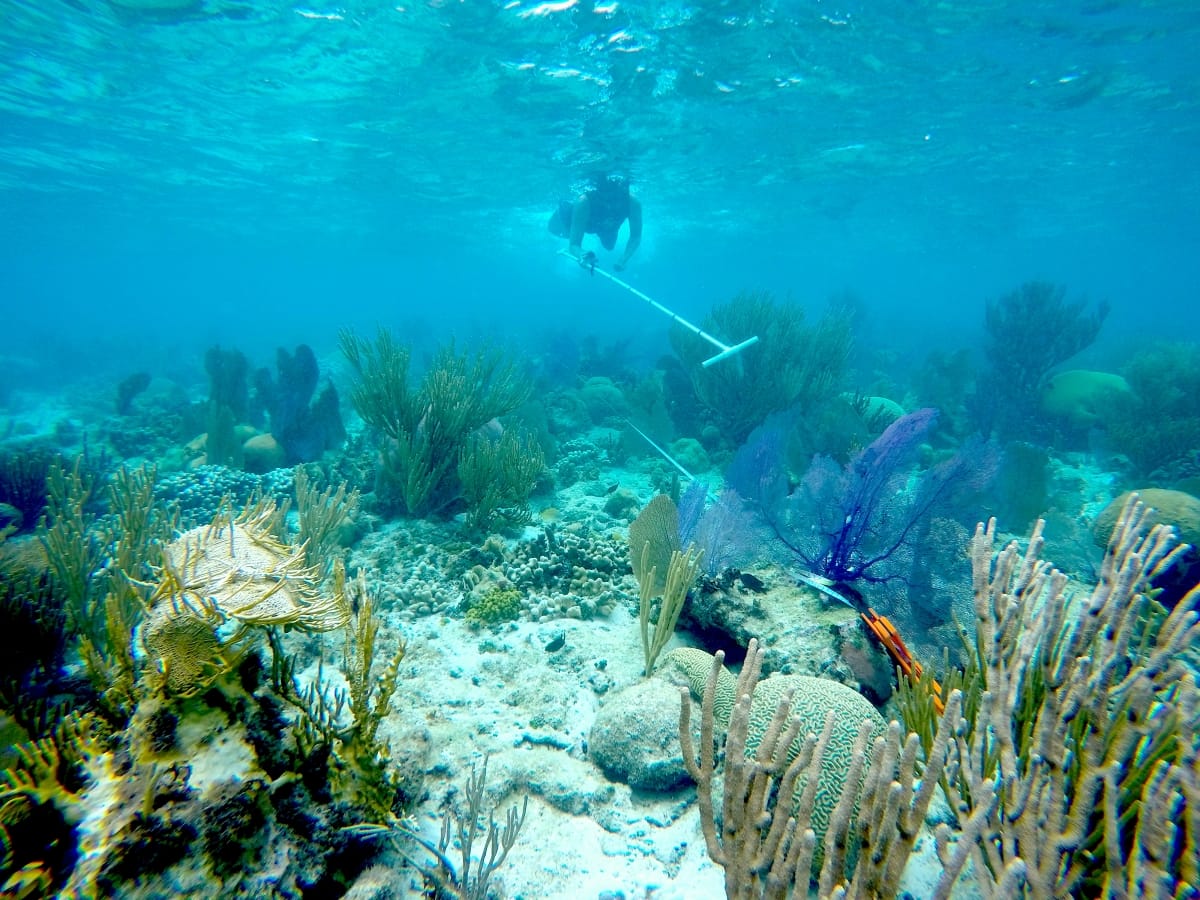
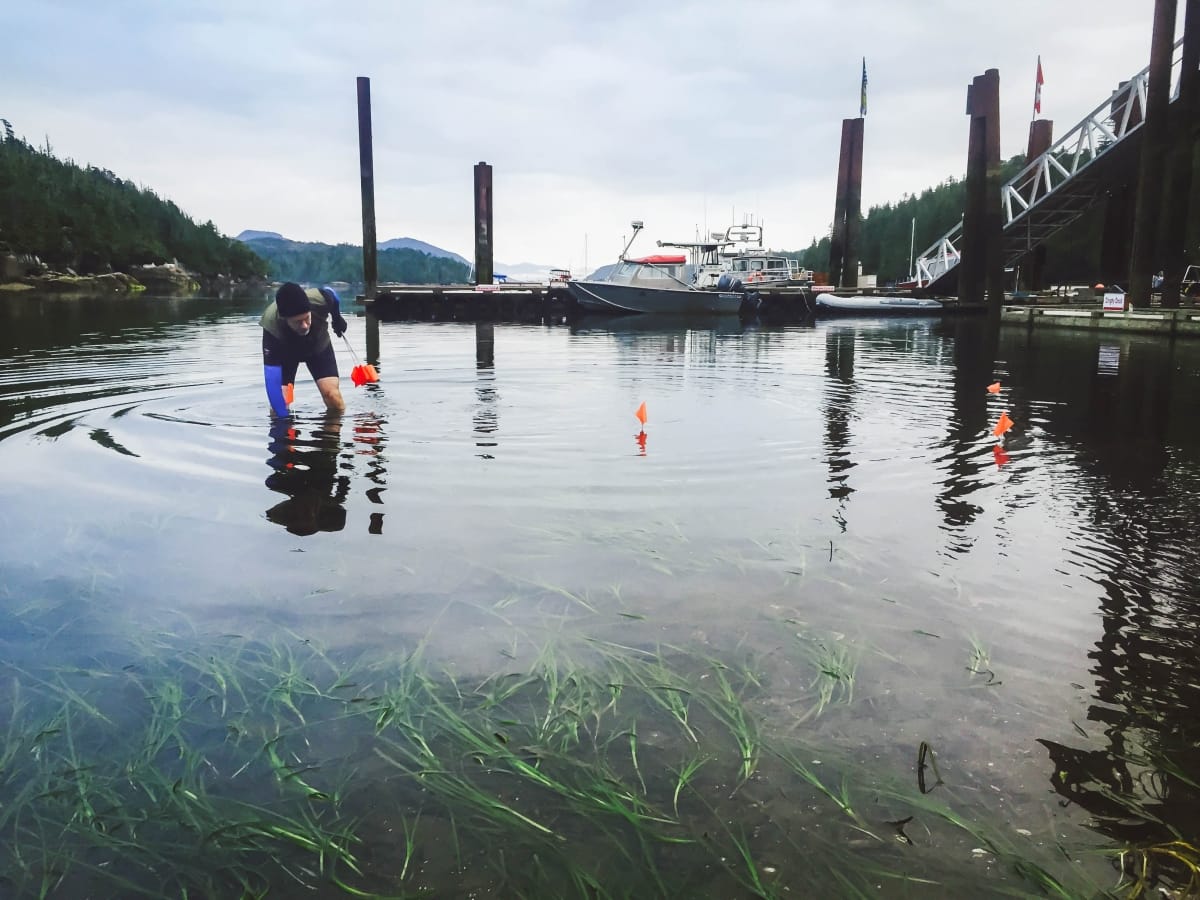
MarineGEO currently includes 24 core partners who conduct standardized monitoring across different nearshore habitats and nearly 400 project partners who have participated in network projects. Partners come from more than 55 countries on six continents.
Canty said he anticipates building on MarineGEO’s strengths of global partnerships; standardized methods that allow for consistent data collection across sites; and coordinated experiments across large geographic scales. Created in 2013, MarineGEO focuses on research that documents patterns and causes of change in how coastal ecosystems work. Canty hopes to expand how MarineGEO can work with communities to co-develop solutions at local, national, regional, and international scales.
“Going forward, we will improve how we integrate science into decision making, allowing us to shift our research toward a more active role in the protection and restoration of coastal environments,” Canty said. “Doing so will improve our engagement with a range of ocean advocates and stakeholders and provide opportunities to train the next generation of marine biologists and conservationists.”
“I look forward to working with Dr. Canty to implement his new ideas and approaches in marine sciences,” said Aldo Croquer, a MarineGEO partner and marine ecologist with The Nature Conservancy’s Central Caribbean Program. “Bringing Dr. Canty into MarineGEO will strengthen our network while fostering and harvesting honest and transparent partnerships across the regions. I am sure that under Dr. Canty’s administration, local scientists will be empowered, and our monitoring networks will be boosted.”
Canty is originally from England, but he has lived and worked in many places, including seven years in Honduras. He earned a doctorate in environmental biology from Manchester Metropolitan University in the United Kingdom, a Master of Science in environmental studies and sustainability science from Lund University, Sweden, and a Bachelor of Science in marine biology from the University of Wales, Swansea. Canty will replace Emmett Duffy, the founding director of MarineGEO, who will work with Canty to ensure a smooth transition until retiring as MarineGEO Chief Scientist on Dec. 12.