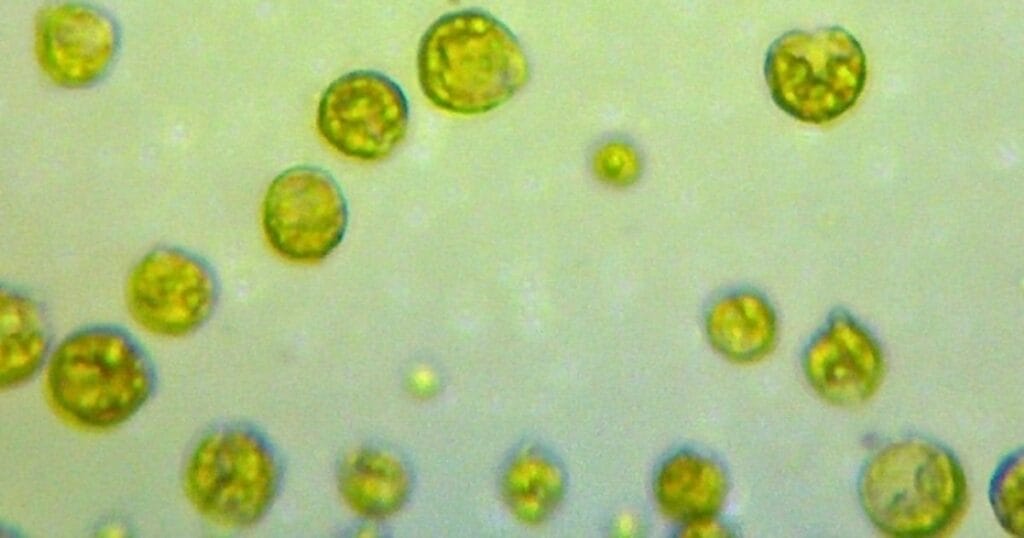
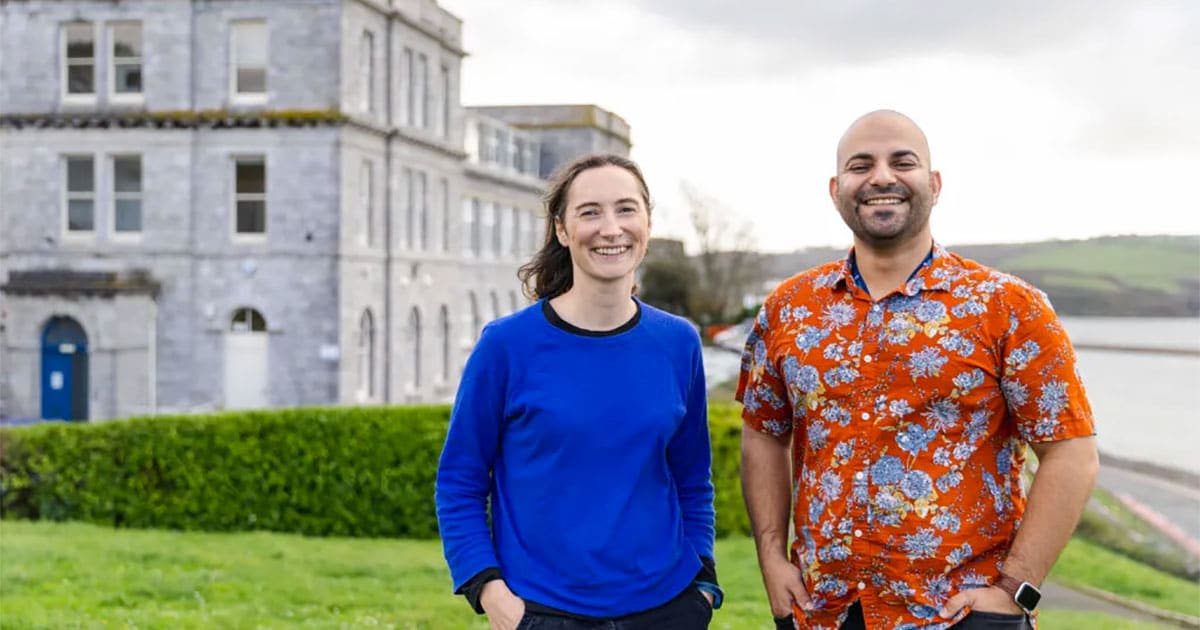
Loay, who recently finished his Ph.D. at Dalhousie University in Nova Scotia, Canada, studies phytoplankton physiology and ecology, and how phytoplankton growth interacts with biogeochemical processes.
He was able to visit the MBA thanks to the Hugh C. Morris Fellowship he received when studying for his Ph.D. This Fellowship provides support for an experiential learning journey where students can choose to go wherever they wish to learn about topics/methods of interest to them.
As part of his Fellowship funding, Loay was keen to meet with NERC Independent Research Fellow Dr. Katherine Helliwell and her team, based at the MBA.
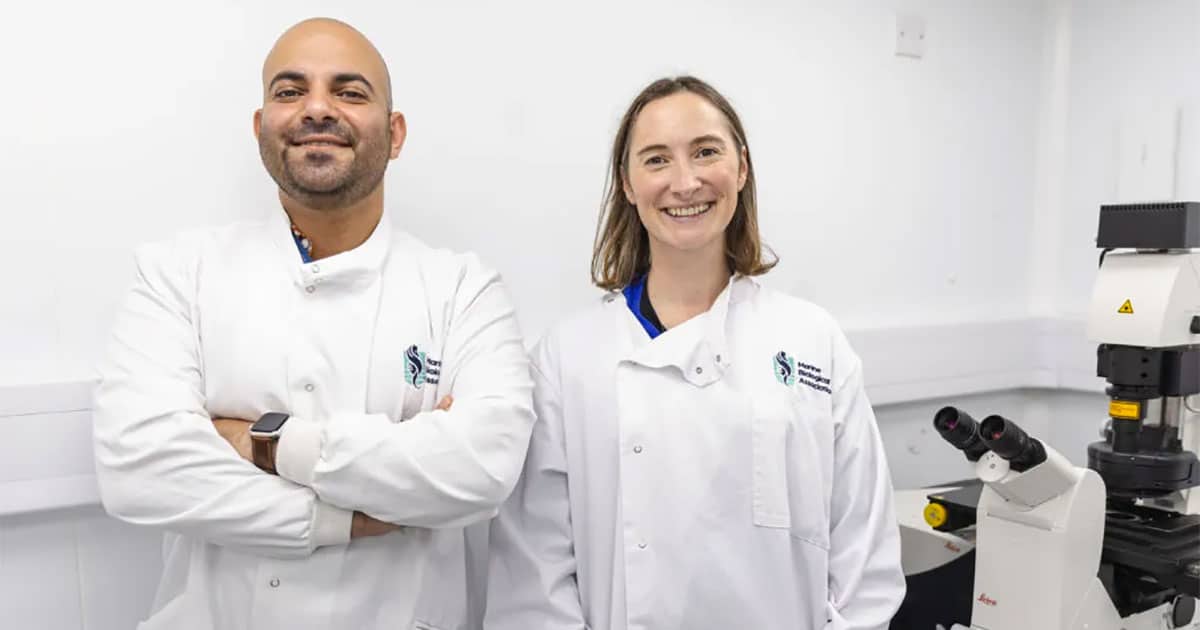 (Image credit: Marine Biological Association)
Loay visited the MBA for three weeks to learn about signaling mechanisms in marine phytoplankton. He was especially interested in studying if and how phytoplankton cells can sense biologically relevant trace metals, like iron and manganese, in their environment.
During his visit Loay also gained some hands-on experience with some of the techniques that Dr. Helliwell uses to study cell signaling, including calcium imaging.
He said: “I particularly like the shared lab spaces and the sharing of equipment and resources at MBA. I feel like it creates a collaborative atmosphere among the researchers here. It is really impressive and a bit surreal to walk into a state-of-the-art research facility inside this beautiful historic building!”
Follow Loay’s research journey on his blog page: https://www.loayjabre.com/hughmorrisjourney