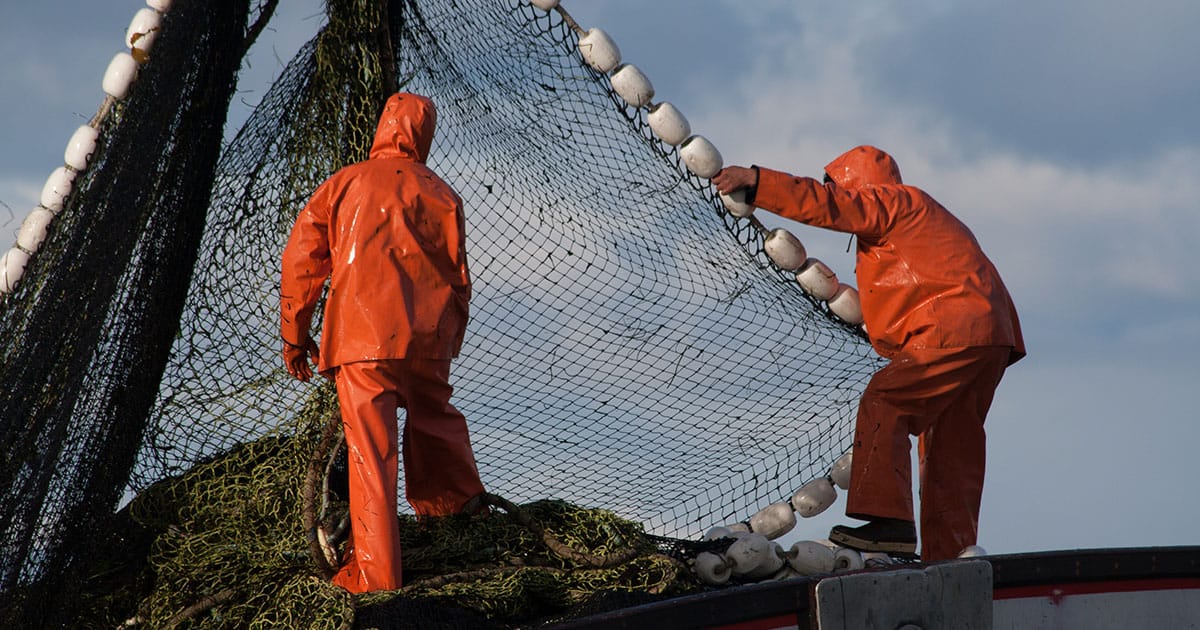
The partnership will explore further use cases for Zeal Industries’ Uptime® technology, a groundbreaking safety solution for artisanal fishers that can significantly enhance safety at sea and improve operational efficiency for small-scale fishers.
This technology brings advanced real-time recording and highly precise, high-resolution tracking data to fishing vessels at an affordable price. This kind of data, known as rich telemetry data, is made available via ultra-affordable satellite technology, making it one-tenth of the price of comparable maritime solutions.
IPNLF offers deep expertise in fisheries and an extensive global network of fishing communities. This partnership ensures Uptime is tailored to meet the specific needs of fishers, maximizing its positive impact.
Uptime was created by Zeal Industries, the team behind innovative IoT technologies.
IPNLF’s global network of fisheries and seafood market stakeholders is also providing mutual benefits, with Uptime field trials already being prepared among fleets in South Africa, Tanzania, and Japan.
“We are thrilled to announce this partnership, which blends diverse expertise across the fisheries and technology sectors,” said Martin Purves, Managing Director of IPNLF. “Zeal Industries is a highly skilled and dedicated partner. Our collaborative development and refinement of their cost-effective wearable technology is set to positively change how we think about and apply technologies in fisheries.”
Benjamin So, CEO of Zeal Industries, highlighted the synergy of the partnership, stating, “We are excited to partner with IPNLF, a global organization recognized and respected for its extensive understanding of fisheries and seafood, and its evident passion for improving the lives of small-scale fishers and their reliant communities.”
Seafood markets increasingly require fleets to adopt technologies that reduce risks and improve supply chain transparency, but most of the available technologies are expensive and focus on a single issue.
Scaling from pilots to ongoing applications continues to be the greatest hurdle for most of the technologies available today. This is especially true for small-scale fishing vessel owners who can’t access the financing to purchase, install, or maintain the currently available technologies. As a result, global drives to technology-driven fisheries currently tend to marginalize small-scale fisheries from globalized seafood markets.
This strategic alliance, formalized through a Memorandum of Understanding (MOU), will leverage innovative wearable technology to protect fishers and promote sustainable practices.