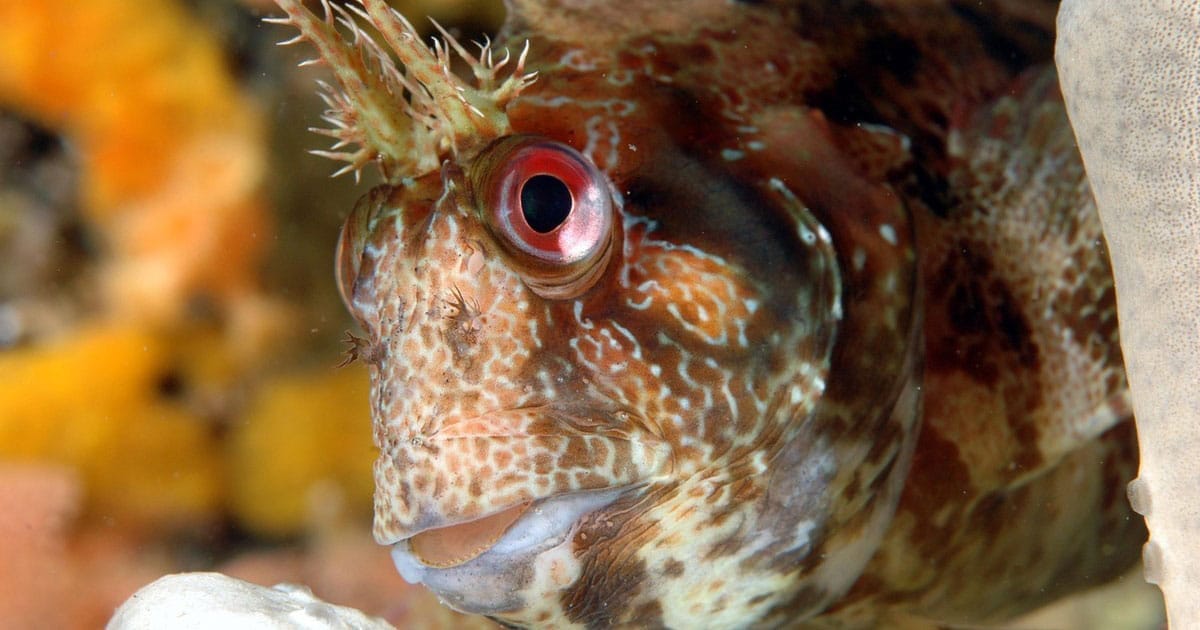
Consider blennies (Blenniidae) and gobies (Gobiidae). These two fish families largely swim under the radar of both researchers and members of the public, yet, as cleaners, they play a key role in the functioning of reefs.
Small in size, they are essential to the transfer of energy and matter from tiny prey to bigger consumers in reefs (trophodynamics).
To reach their conclusions, the research team relied on big data compiled from scientific databases, social media, and Wikipedia page view statistics for the different fish species.
They found that, though the 2,408 species studied accumulated more than 17 million views on Wikipedia, over 50% of those views were for only 7% of the species, and 20% of the views were for only 1%. In addition, nearly 50% of the scientific publications for the fishes studied only concerned a subset of 1% of the species.
The research team’s work brings to light a bias that directly threatens the conservation of marine reef fish, a bias of such magnitude that it compels them to sound the alarm.
They emphasize the importance of aligning human interest in biodiversity with conservation needs and priorities for healthy ecosystems.
They suggest launching campaigns to raise public awareness of threatened and neglected species.
Finally, they advocate the establishment of research programs that take into account all ecosystem components for a global conservation strategy that is no longer driven by commercial imperatives.