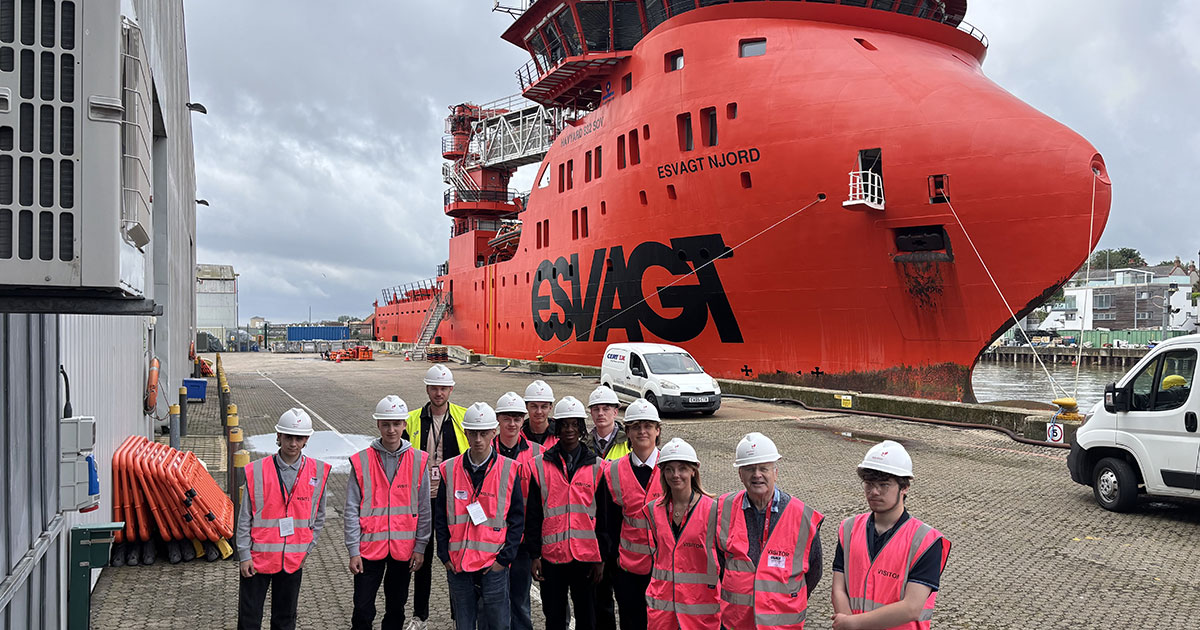
The four-week pilot program, supported by RWE as a funding partner for 2026, is currently underway at the Orbis Energy Centre in Lowestoft. Ten students from East Norfolk Sixth Form College, UTCN and East Coast College have been selected to take part in the inaugural initiative, gaining hands-on experience of engineering project delivery within a real-world industry environment.
This is the first offshore wind-focused T Level engineering experience program of its kind in the UK; the initiative has been designed to bridge the gap between education and employment while providing young people with direct exposure to the skills, technologies and careers shaping the future of clean energy.
While T Levels have created valuable pathways into technical careers, securing high-quality industry placements can remain a challenge for both students and education providers. The EastWind program has been developed to help address that challenge, connecting young people directly with employers and industry specialists while providing hands-on experience of engineering project delivery.
Throughout the program, students will undertake either a mechanical or electrical engineering project, taking responsibility for planning, delivery and performance against a structured framework of project milestones, key performance indicators and industry-standard checklists. Working collaboratively, participants will be challenged to manage their projects independently while developing the technical and professional skills expected within industry.
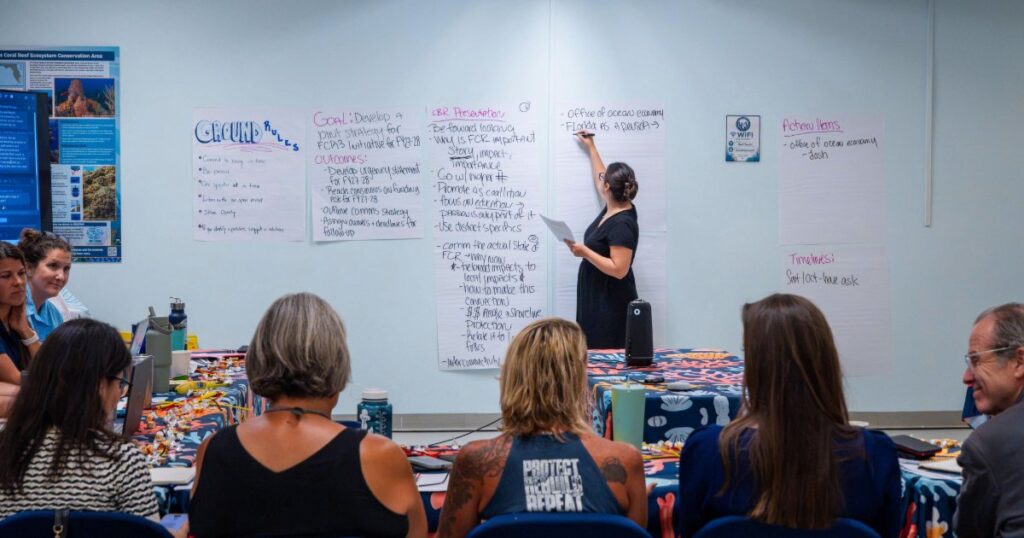
Alongside their project work, students will gain first-hand insight into the offshore wind sector through site visits and a program of presentations, workshops and mentoring sessions delivered by organizations from across the offshore wind supply chain, including Equinor, Stowen, Scottish Power Renewables, Siemens, Peel Ports, and many more. Industry professionals will share their expertise and experiences, providing students with a greater understanding of the diverse career opportunities available within the sector.
The program has been developed in response to the growing demand for skilled workers across the offshore wind industry. As the UK continues to expand its renewable energy capacity, initiatives such as this play a vital role in building awareness of engineering careers and creating clear pathways from education into employment.
If successful, EastWind hopes the pilot will provide a blueprint for a wider national rollout, supporting the long-term workforce needs of the offshore wind sector while creating meaningful opportunities for young people across the UK.
Denise Hone, Chair of EastWind, said: “We regularly hear from education providers about the challenges of securing meaningful industry experiences for students. By bringing together employers from across the offshore wind sector, we can help remove some of those barriers and create opportunities that benefit students, colleges and industry alike.
“The transition to clean energy will only be successful if we invest in people as well as projects. East Anglia is already at the heart of the UK’s offshore wind industry, making it the ideal place to launch a program that brings education and industry together in such a practical and meaningful way.
“By giving students direct access to employers, real engineering challenges and industry expertise, we are helping them develop the confidence, knowledge and skills that will be essential to the future of our sector. We are incredibly proud to be piloting this program and hope it will become a model that can be adopted more widely across the UK, creating opportunities for even more young people to explore careers in engineering and clean energy.”
Sam Cook, Skills Liaison Officer at RWE, said: “One of the greatest opportunities facing the renewable energy sector is inspiring and developing the workforce of the future. Through this program, students are gaining valuable experience that goes beyond the classroom, allowing them to apply their learning in a real-world setting while building the technical, communication and problem-solving skills that employers are looking for.
“RWE is proud to support this initiative and to work alongside EastWind and education partners to help create stronger pathways into engineering and clean energy careers. We look forward to seeing the impact the program has on the students taking part and the opportunities it creates for future cohorts.”
The pilot program will conclude later this summer, with students presenting the outcomes of their projects and reflecting on the skills, knowledge and experiences gained throughout the four-week program.